
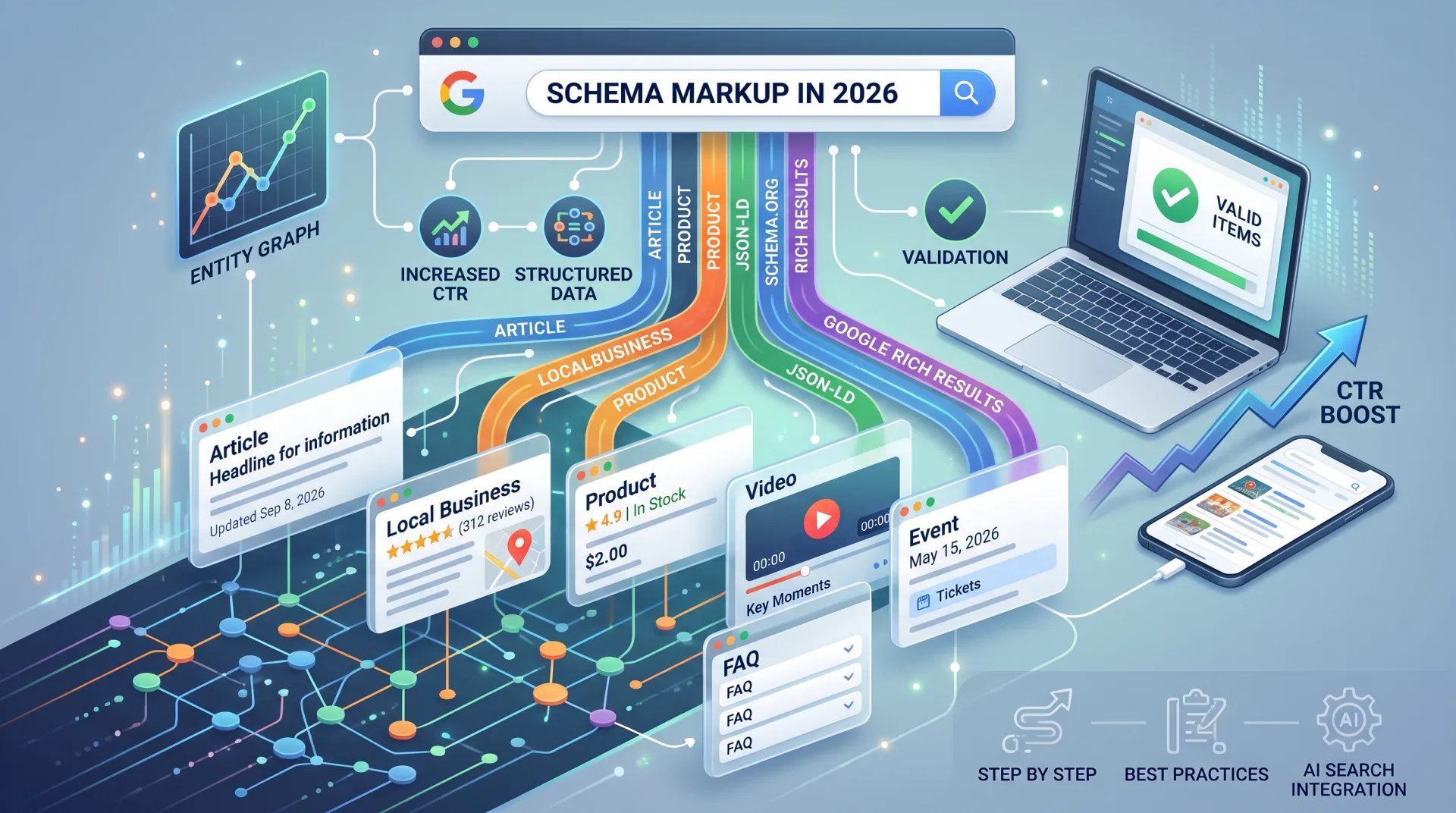
Structured data is the universal translation layer between your website's raw HTML and the machine intelligence powering Google Search, Bing, and generative AI engines. Without explicit JSON-LD schema markup, search engines must infer meaning from ambiguous natural language, frequently misclassifying entities, relationships, and commercial attributes. Enterprise websites that deploy connected multi-entity JSON-LD knowledge graphs consistently unlock rich snippets, knowledge panels, breadcrumb navigation trails, FAQ accordions, product star ratings, and author credential badges that dramatically increase click-through rates and establish unshakeable topical authority. This comprehensive engineering manual provides the definitive architectural blueprint for building, validating, and governing enterprise-grade schema markup systems that connect Organization, WebSite, WebPage, Article, Product, BreadcrumbList, and FAQPage entities into a unified semantic knowledge graph.
The Business Case for Schema Markup:
Studies by Milestone Research and Searchmetrics consistently demonstrate that pages with properly implemented structured data achieve 20-35% higher click-through rates compared to identical rankings without rich snippets. For enterprise websites generating millions of organic sessions, this translates to hundreds of thousands of additional clicks per quarter without any change in ranking position.
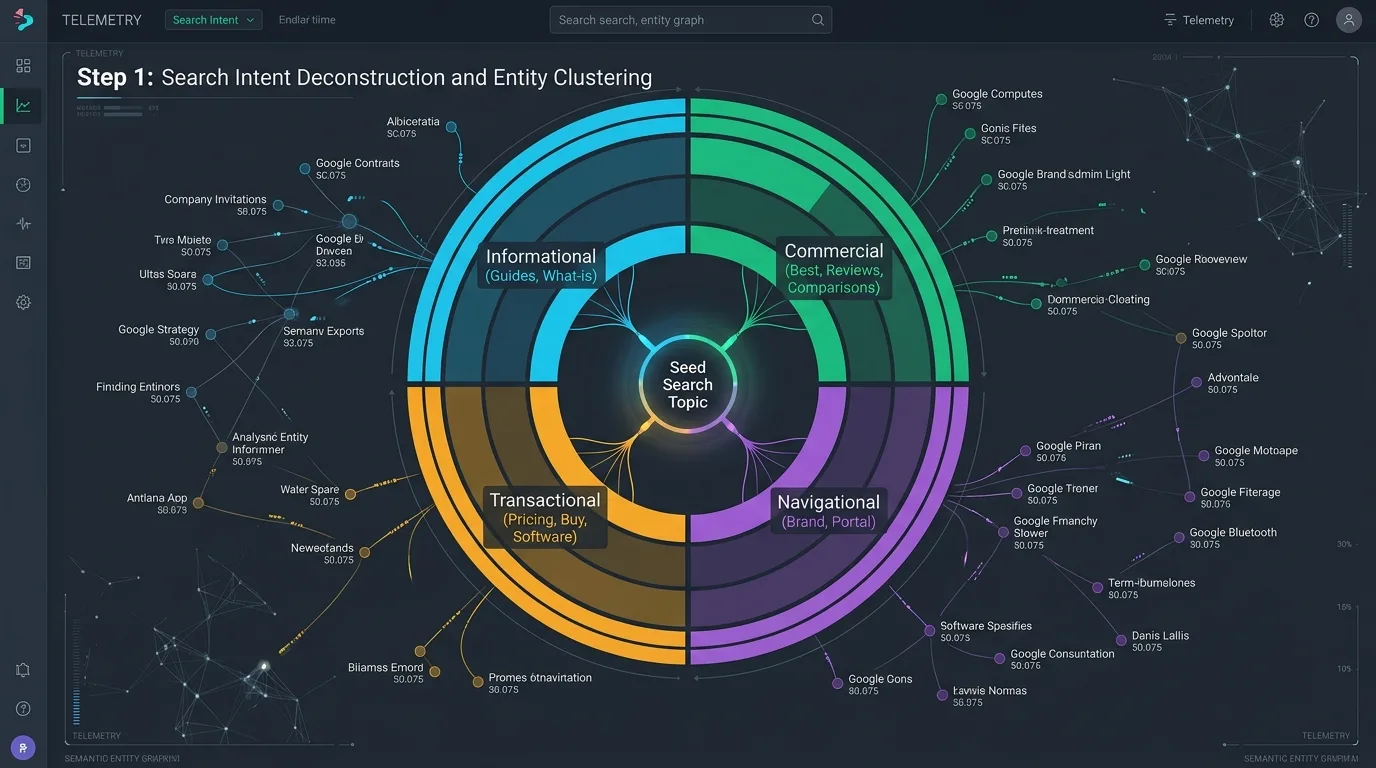
Figure 1: Enterprise Schema Knowledge Graph — Multi-Entity JSON-LD Architecture Connecting Organization, Article, Product, and Author Nodes.
Chapter 1: Why Schema Markup Is the Universal Search Engine Translation Layer
Search engines process billions of web pages daily, but raw HTML provides minimal semantic context. A product page containing the text "Canon EOS R5 Mark II — $3,899" is ambiguous to machines: is "$3,899" the price, a model number, or a random string? Is "Canon" a brand entity, a geographic reference, or a dictionary word? Without explicit structured data annotations, search algorithms must rely on statistical pattern recognition and NLP inference, introducing classification errors that suppress rich result eligibility.
JSON-LD (JavaScript Object Notation for Linked Data) solves this disambiguation crisis by providing explicit, machine-readable semantic annotations that directly map HTML content to schema.org ontology types. Unlike older Microdata and RDFa formats that require inline HTML attribute injection, JSON-LD operates as a standalone script block injected into the document head, completely decoupling structured data from presentation markup. This architectural separation makes JSON-LD the overwhelmingly preferred format for Google, Bing, and generative AI systems that parse structured data for knowledge graph population and rich result rendering.
The Three Pillars of Schema ROI
- Rich Result Eligibility: Product star ratings, FAQ accordions, HowTo step carousels, breadcrumb trails, and event listings are all powered exclusively by valid structured data. Without schema, these SERP features are permanently inaccessible regardless of content quality or domain authority.
- Knowledge Graph Entity Resolution: Google's Knowledge Graph contains over 500 billion facts about 5 billion entities. Schema markup with
sameAsproperties linking to Wikidata, Wikipedia, and LinkedIn profiles enables Google to unambiguously identify your organization, authors, and products as canonical Knowledge Graph entities. - Generative AI Source Attribution: Large language models powering Google AI Overviews, SearchGPT, and Perplexity AI preferentially cite sources with explicit structured data because JSON-LD provides deterministic entity relationships that vector embeddings alone cannot guarantee.
Chapter 2: The Schema.org Type Hierarchy and Ontology Architecture
Schema.org defines over 800 types and 1,400 properties organized in a hierarchical inheritance tree. Every schema type inherits from Thing, the universal root node. Understanding this type hierarchy is essential for selecting the most specific, semantically accurate type for each entity on your website.
| Schema Type | Parent Type | Rich Result Unlocked | CTR Impact | Implementation Complexity |
|---|---|---|---|---|
| Organization | Thing | Knowledge Panel, Logo, Social Profiles | +15-25% | Low |
| Article / TechArticle | CreativeWork | Top Stories, Author Byline, Date Badge | +20-30% | Low |
| Product + Offer | Thing | Price, Availability, Star Ratings, Reviews | +25-35% | Medium |
| FAQPage | WebPage | Expandable FAQ Accordion in SERP | +15-25% | Low |
| HowTo | CreativeWork | Step-by-Step Carousel, Image Steps | +10-20% | Medium |
| BreadcrumbList | ItemList | Breadcrumb Navigation Trail in SERP | +8-15% | Low |
The strategic principle is always to select the most specific type available. If you publish technical engineering guides, use TechArticle rather than the generic Article type. If you sell physical products, combine Product with Offer and AggregateRating rather than using a standalone Product node. Search engines reward specificity with richer, more detailed SERP features.
Chapter 3: Organization, WebSite, and WebPage Foundation Entities
Every enterprise schema architecture begins with three foundation entities that establish the canonical identity of your domain within Google's Knowledge Graph. These entities should be deployed site-wide on every page, typically injected via a shared layout component or server-side template.
1. Organization Entity with SameAs Cross-References
The Organization schema establishes your brand as a canonical Knowledge Graph entity. The critical sameAs property array links your website to verified external authority profiles, enabling Google to disambiguate your organization from similarly named entities worldwide.
// Foundation Organization Schema with SameAs Cross-References
{
  "@context": "https://schema.org",
  "@type": "Organization",
  "name": "SeoBeen",
  "alternateName": "SeoBeen Technical Research",
  "url": "https://seobeen.com",
  "logo": {
    "@type": "ImageObject",
    "url": "https://seobeen.com/images/logo.png",
    "width": 512,
    "height": 512
  },
  "sameAs": [
    "https://twitter.com/seobeen",
    "https://linkedin.com/company/seobeen",
    "https://github.com/seobeen"
  ],
  "contactPoint": {
    "@type": "ContactPoint",
    "contactType": "customer support",
    "availableLanguage": ["English", "Persian"]
  }
}
2. WebSite Entity with SearchAction
The WebSite schema enables the Google Sitelinks Search Box, allowing users to search your website directly from the SERP. This is particularly valuable for enterprise portals with extensive content libraries, product catalogs, or documentation archives. The potentialAction property defines the search URL template that Google uses to construct direct search queries.
3. WebPage Entity with Breadcrumb Context
Every individual page should carry a WebPage (or more specific subtype like ItemPage, AboutPage, ContactPage) entity that references the parent WebSite and Organization entities via the isPartOf property. This creates a semantic chain: Organization owns WebSite, WebSite contains WebPage, WebPage hosts Article or Product content.
Chapter 4: Article, TechArticle, and BlogPosting with Author E-E-A-T Signals
Content-driven websites must deploy Article schema (or the more specific TechArticle and BlogPosting subtypes) on every editorial page. The critical differentiator for enterprise implementations is the Author entity, which directly feeds Google's Experience, Expertise, Authoritativeness, and Trustworthiness (E-E-A-T) evaluation algorithms.
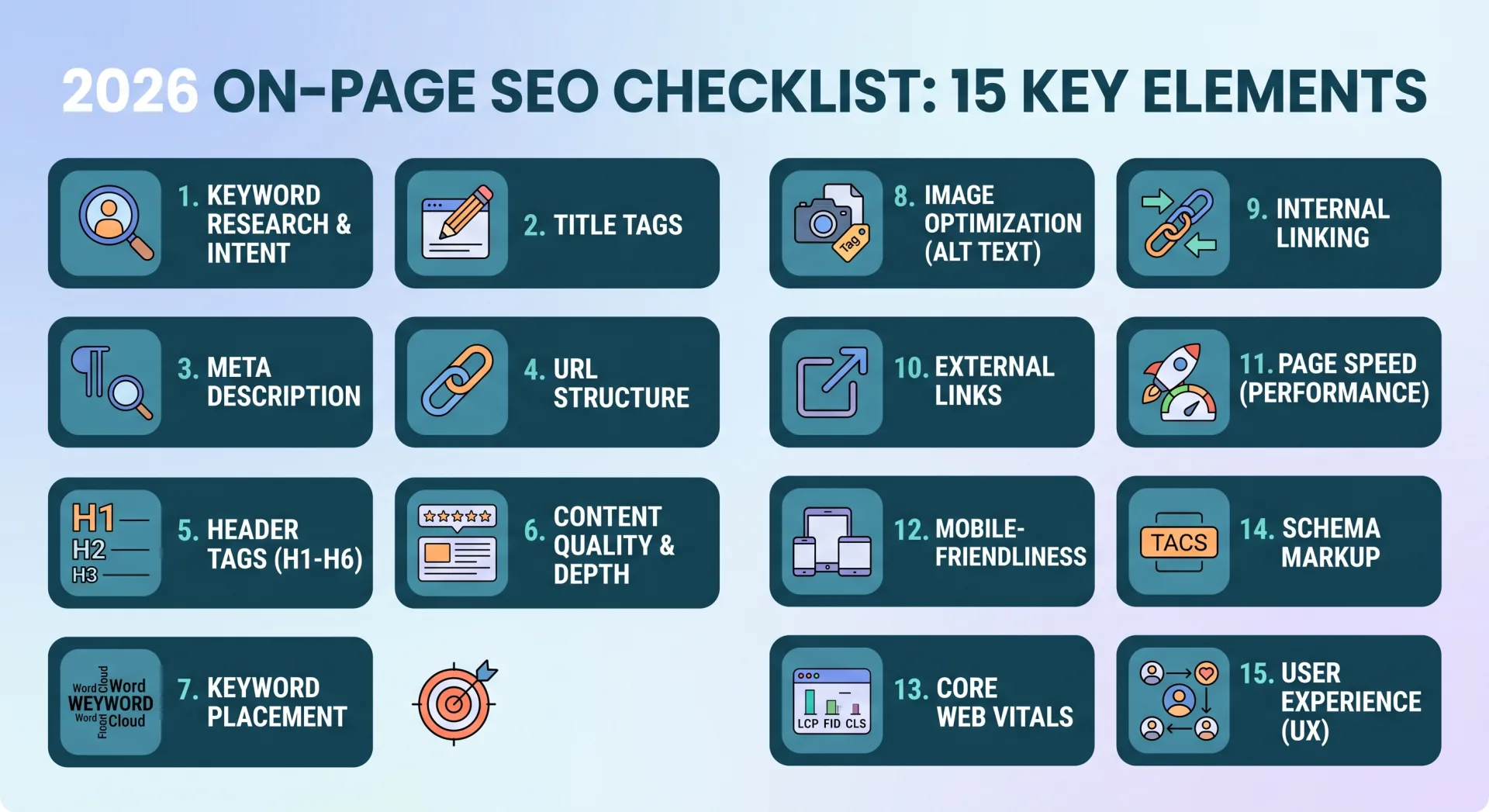
Figure 2: Schema SERP Features Matrix — Mapping Rich Result Types to Click-Through Rate Impact and Implementation Priority.
Building Authoritative Author Entities
Google's Search Quality Evaluator Guidelines explicitly instruct human raters to evaluate author credentials, professional background, and topical expertise. Schema markup translates these signals into machine-readable format. Always include the author's jobTitle, worksFor organization, sameAs links to LinkedIn and professional profiles, and a knowsAbout array listing core competency topics. When Google can cross-reference your author entity against verified professional profiles, the trust signal is significantly amplified.
// TechArticle Schema with Comprehensive Author E-E-A-T
{
  "@context": "https://schema.org",
  "@type": "TechArticle",
  "headline": "Enterprise Schema Markup Architecture Guide",
  "description": "Complete guide to building connected JSON-LD knowledge graphs",
  "datePublished": "2026-09-18T10:00:00+00:00",
  "dateModified": "2026-09-18T10:00:00+00:00",
  "author": {
    "@type": "Person",
    "name": "Vahid Hoseini",
    "jobTitle": "Head of Technical SEO",
    "worksFor": {
      "@type": "Organization",
      "name": "SeoBeen"
    },
    "sameAs": [
      "https://linkedin.com/in/vahidhoseini",
      "https://twitter.com/vahidhoseini"
    ],
    "knowsAbout": ["SEO", "Schema Markup", "JSON-LD", "Knowledge Graphs"]
  },
  "publisher": {
    "@type": "Organization",
    "name": "SeoBeen",
    "logo": {
      "@type": "ImageObject",
      "url": "https://seobeen.com/images/logo.png"
    }
  },
  "mainEntityOfPage": {
    "@type": "WebPage",
    "@id": "https://seobeen.com/blog/enterprise-schema-markup-architecture-guide"
  }
}
Critical E-E-A-T Warning:
Never fabricate author credentials in schema markup. Google cross-references author entities against LinkedIn profiles, academic publications, and industry conference records. Misrepresenting expertise constitutes structured data spam and can trigger manual actions that strip all rich results from your entire domain.
Chapter 5: Product, Offer, and AggregateRating for E-commerce
E-commerce websites derive the most tangible revenue impact from structured data through Product schema combined with Offer and AggregateRating entities. Product rich snippets displaying price, availability, star ratings, and review counts consistently achieve 25-35% higher click-through rates compared to plain organic listings, directly translating structured data investment into measurable revenue growth.
The Product-Offer-Rating Entity Triangle
Google requires three interconnected entities to render complete product rich snippets. The Product entity defines the item identity (name, brand, SKU, images). The Offer entity specifies commercial attributes (price, currency, availability, valid dates). The AggregateRating entity provides social proof metrics (average rating, total review count). Missing any single entity results in incomplete or entirely suppressed rich results.
Critical implementation details for enterprise product catalogs include ensuring that every Offer contains a priceValidUntil date (Google now requires this property), a shippingDetails reference linking to a DefinedRegion with delivery cost information, and a hasMerchantReturnPolicy property that specifies return windows and conditions. These properties directly influence Google Shopping eligibility and Merchant Center integration for free product listings.
Chapter 6: Multi-Entity @graph Arrays and Connected Knowledge Graphs
Enterprise websites typically need to express multiple interconnected entities on a single page: an Organization that publishes a WebSite that contains a WebPage that hosts an Article written by a Person. Nesting all these entities inside deeply recursive JSON objects creates unmaintainable, error-prone markup. The @graph array pattern solves this architectural challenge by flattening all entities into a single top-level array where each entity references others via @id URI pointers.
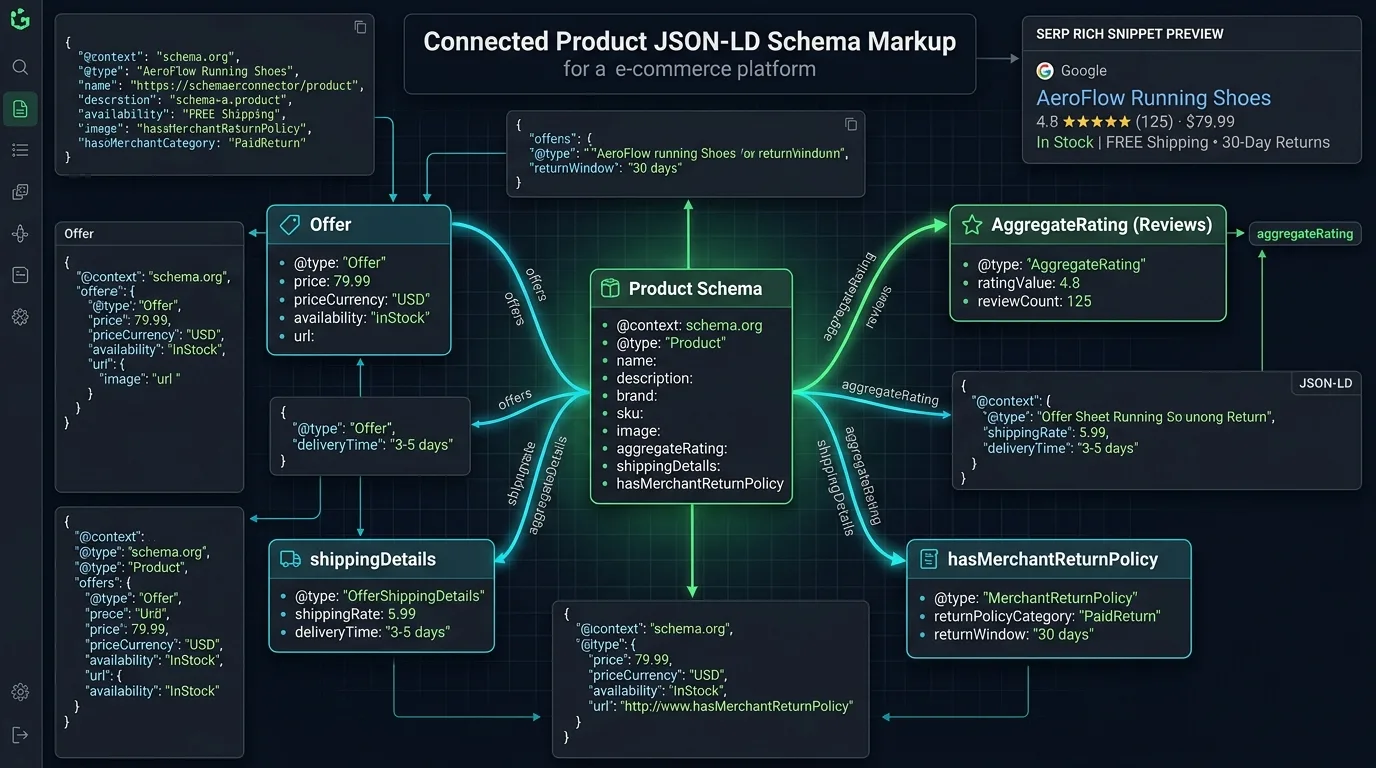
Figure 3: Multi-Entity @graph Architecture — Flat Array Pattern with @id Cross-References Replacing Deep Nesting.
// Enterprise @graph Pattern: Connected Multi-Entity Knowledge Graph
{
  "@context": "https://schema.org",
  "@graph": [
    {
      "@type": "Organization",
      "@id": "https://seobeen.com/#organization",
      "name": "SeoBeen",
      "url": "https://seobeen.com",
      "logo": {
        "@type": "ImageObject",
        "url": "https://seobeen.com/images/logo.png"
      }
    },
    {
      "@type": "WebSite",
      "@id": "https://seobeen.com/#website",
      "name": "SeoBeen",
      "url": "https://seobeen.com",
      "publisher": { "@id": "https://seobeen.com/#organization" }
    },
    {
      "@type": "WebPage",
      "@id": "https://seobeen.com/blog/schema-guide/#webpage",
      "url": "https://seobeen.com/blog/schema-guide/",
      "isPartOf": { "@id": "https://seobeen.com/#website" }
    },
    {
      "@type": "TechArticle",
      "@id": "https://seobeen.com/blog/schema-guide/#article",
      "headline": "Enterprise Schema Architecture Guide",
      "mainEntityOfPage": { "@id": "https://seobeen.com/blog/schema-guide/#webpage" },
      "publisher": { "@id": "https://seobeen.com/#organization" },
      "author": { "@id": "https://seobeen.com/#author" }
    },
    {
      "@type": "Person",
      "@id": "https://seobeen.com/#author",
      "name": "Vahid Hoseini",
      "jobTitle": "Head of Technical SEO"
    }
  ]
}
The @id Cross-Reference Pattern:
Each entity in the @graph array receives a unique @id URI (typically constructed as page-url/#entity-type). Other entities reference it using {"@id": "..."} instead of duplicating the full object. This eliminates redundancy, prevents contradictory property values, and enables Google to build a coherent entity relationship map across your entire domain.

Chapter 7: BreadcrumbList, FAQPage, and HowTo Action Schema
Utility schemas capture additional SERP real estate beyond standard organic listings. These three schema types are among the highest ROI structured data implementations because they require minimal engineering effort while delivering immediate visual SERP enhancements.
1. BreadcrumbList: Navigation Trail Rich Results
BreadcrumbList schema replaces raw URL display in search results with a clean, hierarchical navigation trail. Instead of showing seobeen.com/blog/enterprise-schema-guide, Google displays SeoBeen > Blog > Schema Guide with each segment individually clickable. Implementation requires an ItemList containing ordered ListItem elements, each with a position, name, and item URL.
2. FAQPage: Expandable Question Accordions
FAQPage schema enables expandable question-and-answer accordions directly within the search results page. Each FAQ occupies significant vertical SERP space, pushing competitor listings further down the viewport. Google requires that FAQ content must be visible on the actual page (not hidden behind login walls or paywalls) and that each question-answer pair genuinely addresses user search intent. FAQ schema deployed on pages that lack corresponding visible FAQ sections will trigger structured data manual actions.
3. HowTo: Step-by-Step Instruction Carousels
HowTo schema renders numbered step-by-step instructions as a visual carousel in search results. Each step can include a name, description text, URL, and thumbnail image. For enterprise tutorial content, HowTo schema captures featured snippet positions that standard paragraph formatting cannot achieve. The key requirement is that each step must represent a discrete, actionable instruction rather than a vague section heading.
Chapter 8: Automated Schema Validation in CI/CD Pipelines
Schema markup errors silently accumulate as development teams modify page templates, refactor component libraries, and update content management systems. A missing closing brace in a JSON-LD block, an incorrect @type value, or a deprecated property name can invalidate structured data for thousands of pages simultaneously without triggering any user-visible error. Enterprise organizations must integrate automated schema validation into their continuous integration and deployment pipelines.
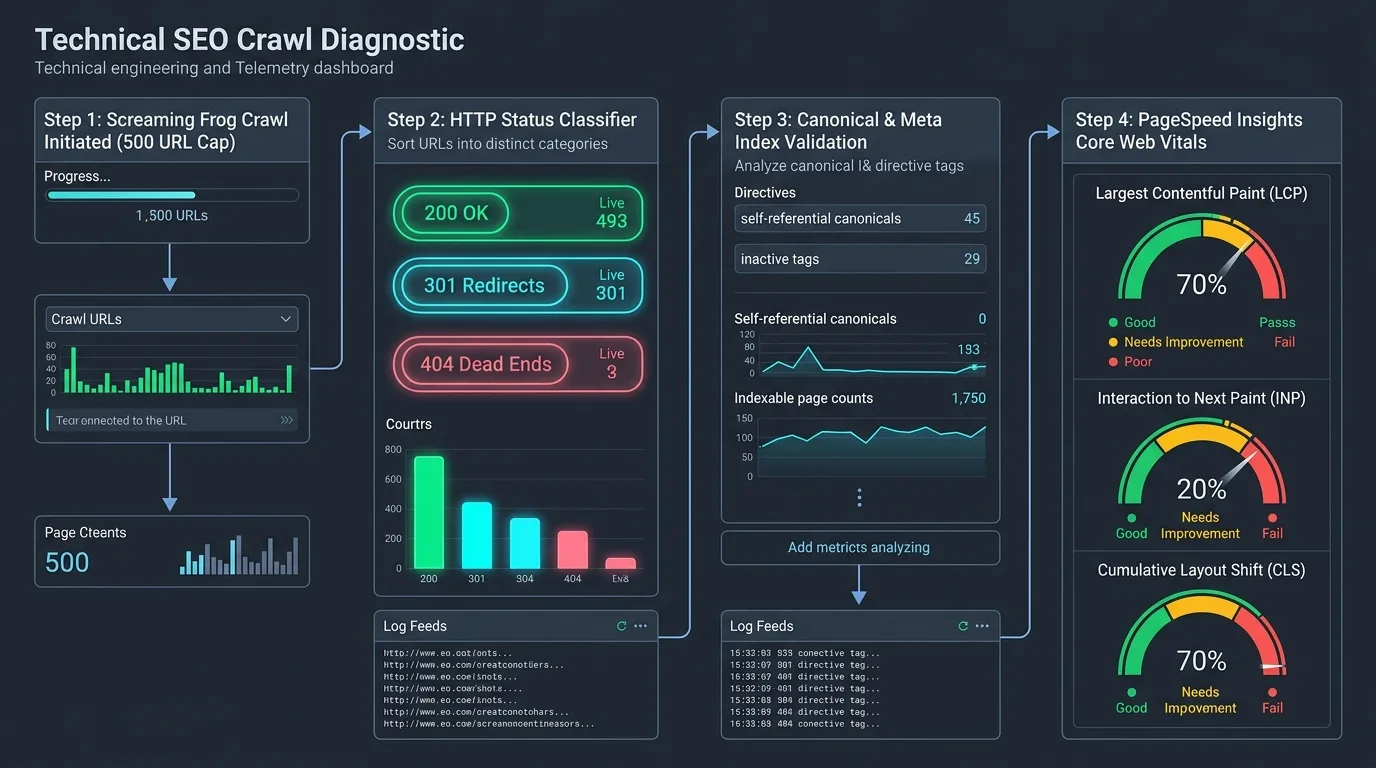
Figure 4: Enterprise JSON-LD Validation Pipeline — Pre-Commit Syntax Checks, Staging Rich Results Tests, and Production Monitoring.
| Validation Stage | Tool / Method | What It Catches | Pipeline Integration |
|---|---|---|---|
| Pre-Commit Linting | schema-dts + custom JSON validator | Syntax errors, missing required properties, invalid @type values | Git pre-commit hook or Husky |
| Staging Validation | Google Rich Results Test API | Google-specific warnings, deprecated properties, eligibility checks | GitHub Actions on PR merge to staging |
| Production Monitoring | Screaming Frog + Search Console API | Runtime rendering failures, template regression, missing schema on new pages | Weekly scheduled crawl + alerting |
| Cross-Page Consistency | Custom Python audit script | Inconsistent Organization names, mismatched @id references, orphan entities | Monthly full-site structured data audit |
# Python CI/CD Schema Validation Script
import json
import requests
from pathlib import Path

def validate_jsonld(html_content: str) -> dict:
    """Extract and validate all JSON-LD blocks from HTML."""
    import re
    blocks = re.findall(
        r'<script type="application/ld\+json">(.*?)</script>',
        html_content, re.DOTALL
    )

    results = {"valid": 0, "errors": []}
    required_types = ["Organization", "WebSite", "WebPage"]
    found_types = []

    for i, block in enumerate(blocks):
        try:
            data = json.loads(block)
            results["valid"] += 1

            # Extract types from @graph or single entity
            if "@graph" in data:
                for entity in data["@graph"]:
                    found_types.append(entity.get("@type", "Unknown"))
            else:
                found_types.append(data.get("@type", "Unknown"))

        except json.JSONDecodeError as e:
            results["errors"].append(f"Block {i}: {str(e)}")

    # Check required foundation entities exist
    for req_type in required_types:
        if req_type not in found_types:
            results["errors"].append(
                f"Missing required entity: {req_type}"
            )

    return results
Chapter 9: Enterprise Schema Governance and Deployment Strategy
Deploying schema markup is not a one-time engineering task. Enterprise websites with hundreds of page templates, multiple content management systems, and globally distributed development teams require formal schema governance frameworks to maintain structured data quality, consistency, and compliance over time.
1. Schema Ownership and Accountability
Assign explicit schema ownership to a cross-functional team spanning SEO, frontend engineering, and content operations. The SEO team defines which schema types and properties are required for each page template. The frontend engineering team implements the JSON-LD generation logic within server-side rendering components. The content operations team ensures that CMS content fields provide the data attributes required by schema templates (author bios, publication dates, product specifications, FAQ entries). Without clear ownership boundaries, schema markup decays rapidly as development teams modify templates without understanding structured data dependencies.
2. Schema Registry and Template Library
Maintain a centralized schema registry documenting every JSON-LD template deployed across the domain. Each registry entry specifies the schema type, required and optional properties, the page template(s) where it is deployed, the data source for each property, and the last validation date. When developers need to modify a page template, the registry provides immediate visibility into which structured data blocks will be affected by the change.
3. Deprecation and Migration Protocols
Schema.org periodically deprecates properties and introduces new required attributes. Google frequently updates its rich result eligibility requirements, adding new mandatory properties (such as priceValidUntil for Product schema in 2024) or retiring support for previously displayed rich results (such as HowTo rich results removal from mobile search in 2023). Enterprise governance frameworks must include quarterly schema compliance reviews that cross-reference deployed markup against the latest Google Search Central documentation and schema.org changelog.
Enterprise Governance Checklist:
Maintain a structured data health dashboard tracking: total pages with valid schema, pages with validation errors, rich result impression trends in Search Console, schema type coverage percentage, and average time-to-fix for schema regressions. Review this dashboard in monthly SEO steering committee meetings.



Ratings & reviews
No reviews yet. Be the first.