

For enterprise SEO directors and technical architects, the greatest obstacle to organic growth is rarely a lack of technical knowledge—it is engineering velocity. Legacy backend monoliths, quarterly deployment release cycles, rigid CMS frameworks, and overburdened developer backlogs frequently prevent critical SEO fixes from going live for months or even years. Enter Edge SEO: the architectural paradigm that decouples search engine optimization from origin server code. By executing serverless JavaScript and WASM routines at the CDN edge via platforms like Cloudflare Workers, Fastly Compute, and AWS Lambda@Edge, technical teams can modify HTTP headers, deploy instant redirects, inject structured schema markup, and execute dynamic rendering in sub-millisecond execution times without touching a single line of backend codebase.
1. What Is Edge SEO and Why Does It Revolutionize Enterprise Workflows?
In traditional web engineering, any technical modification—whether adding a trailing slash redirect, injecting a canonical tag, or fixing an HTTP 103 Early Hints header—requires opening a ticket in Jira, waiting for sprint planning, securing engineering resources, undergoing QA staging reviews, and waiting for scheduled production deployments. In enterprise environments, this process averages 12 to 24 weeks per ticket.
Edge SEO bypasses this operational friction entirely. Operating at the Content Delivery Network (CDN) edge layer, serverless runtime environments allow authorized technical SEO engineers to write lightweight serverless functions that inspect, intercept, modify, or completely rewrite HTTP request and response streams in real time.
The core capabilities unlocked by Edge SEO include:
- Instant Edge Redirects: Deploying complex regex 301/308 redirect matrices across millions of URLs without placing computational load on origin database clusters.
- Dynamic Header Manipulation: Adding, removing, or modifying HTTP response headers such as
Link: rel=canonical,X-Robots-Tag,Cache-Control, andContent-Security-Policy. - Automated HTML Streaming & Injection: Utilizing HTMLRewriter APIs to inject structured JSON-LD schema markup, modify meta descriptions, or fix broken internal links on the fly using streaming CSS selectors.
- Edge Prerendering & Dynamic Rendering: Detecting search engine crawlers and serving pre-rendered static HTML snapshots while serving standard client-side SPA bundles to human users, resolving complex JavaScript SEO rendering delays.
Understanding edge execution is closely tied to solving modern frontend rendering challenges detailed in our definitive guide to JavaScript SEO and hydration.
2. The Edge Runtime Architecture: Cloudflare Workers, Fastly VCL, and Lambda@Edge
To successfully architect Edge SEO solutions, technical teams must understand the underlying distributed execution environments powering modern CDN edge nodes. Unlike traditional Node.js servers or virtual machines that take seconds to boot up (cold starts), modern edge platforms utilize lightweight V8 isolates or WebAssembly runtimes that initialize in under 5 milliseconds.
The following architectural diagram illustrates how automated edge pipelines intercept, evaluate, and transform HTTP request-response cycles between search engine crawlers and origin application servers.
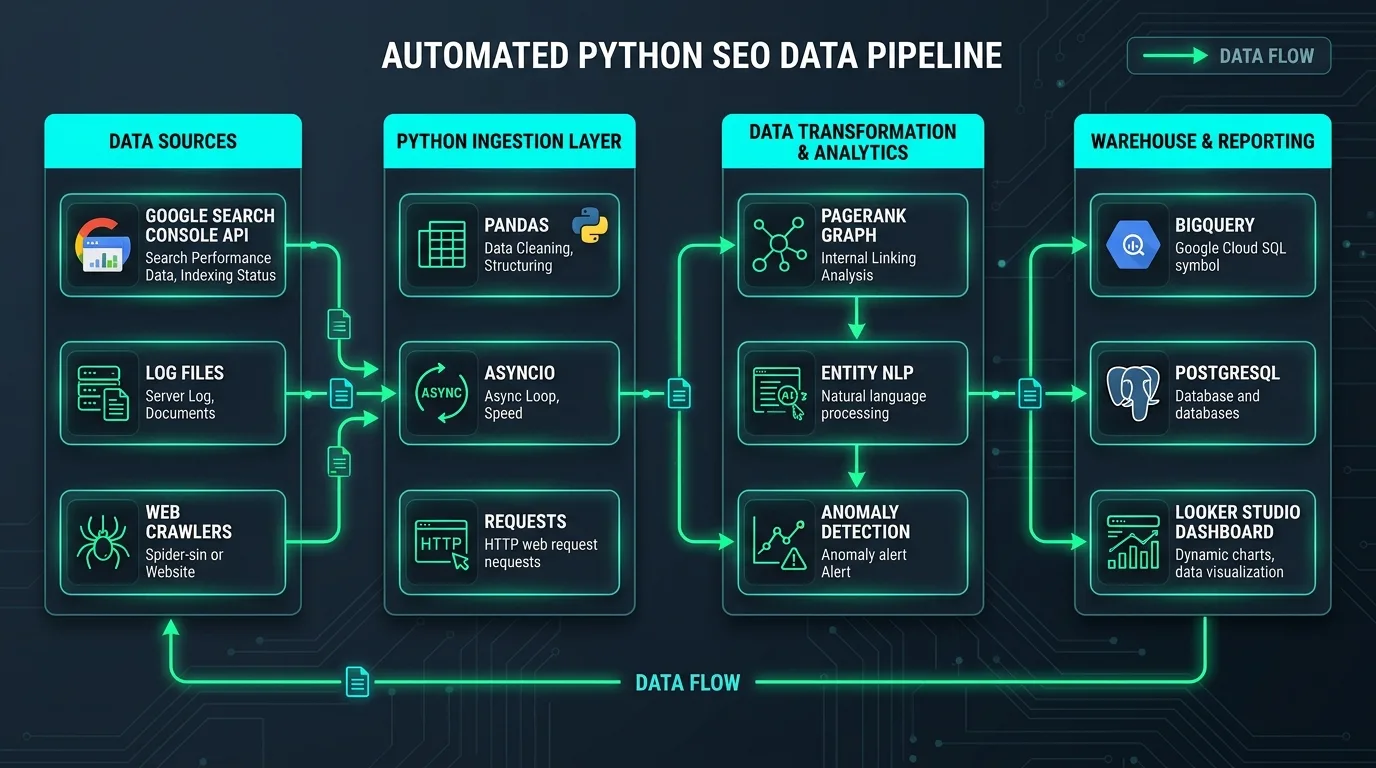
Figure 1: High-throughput edge data pipeline intercepting crawler traffic and executing real-time SEO transformations.
A technical comparison of the three dominant enterprise edge computing runtimes reveals distinct trade-offs in execution speed, language support, and memory constraints:
| Platform | Runtime Technology | Cold Start Latency | Memory Limit | Key SEO Strengths |
|---|---|---|---|---|
| Cloudflare Workers | V8 Isolates (JavaScript / WASM) | < 1 millisecond (Zero Cold Start) | 128 MB | Native streaming HTMLRewriter API, Workers KV, edge cache API integration |
| Fastly Compute | Lucet / WebAssembly (Rust, Go, JS) | < 35 microseconds | 128 MB | Instant purging via Surrogate-Keys, extreme request header throughput, granular VCL logic |
| AWS Lambda@Edge | Node.js / Python Containerized | 50–250 milliseconds | 128 MB to 10 GB | Deep native integration with AWS S3, CloudFront origins, and DynamoDB storage |
3. Dynamic Rendering at the Edge: Solving the JavaScript SEO Bottleneck
JavaScript-heavy Single Page Applications (SPAs) built with React, Vue, Angular, or client-side Next.js present a severe bottleneck for search engines. Googlebot processes JavaScript via a two-wave indexing system: the first wave indexes the raw HTML shell, while the second wave renders JavaScript days or weeks later in the Web Rendering Service (WRS) queue. During this latency window, content and internal links are invisible to the index.
Figure 2: Architectural comparison between slow client-side hydration and instantaneous edge snapshot delivery for search crawlers.
Edge SEO provides the ultimate remedy: Edge Dynamic Rendering. By inspecting the incoming User-Agent header, an edge worker can identify verified search engine bots. If a bot is detected, the worker fetches a pre-rendered, fully hydrated HTML snapshot from an edge cache (or a headless browser service like Prerender.io) and returns it in under 50ms. Human users continue to receive the interactive SPA bundle without disruption.
Consider this production-grade Cloudflare Worker snippet executing edge bot detection and snapshot routing:
const BOT_AGENTS = [
  'googlebot', 'bingbot', 'yandex', 'baiduspider',
  'duckduckbot', 'slurp', 'twitterbot', 'facebookexternalhit',
  'linkedinbot', 'embedly', 'quora link preview', 'pinterest'
];

export default {
  async fetch(request, env, ctx) {
    const userAgent = (request.headers.get('user-agent') || '').toLowerCase();
    const isBot = BOT_AGENTS.some(bot => userAgent.includes(bot));
    const url = new URL(request.url);

    if (isBot && !url.pathname.match(/\.(js|css|png|jpg|webp|svg|woff2)$/i)) {
      const cacheKey = new Request(url.toString(), request);
      const cache = caches.default;
      let response = await cache.match(cacheKey);

      if (!response) {
        const prerenderUrl = `https://service.prerender.io/${encodeURIComponent(url.toString())}`;
        const prerenderReq = new Request(prerenderUrl, {
          headers: { 'X-Prerender-Token': env.PRERENDER_TOKEN }
        });

        response = await fetch(prerenderReq);
        response = new Response(response.body, response);
        response.headers.set('Cache-Control', 'public, max-age=86400');
        ctx.waitUntil(cache.put(cacheKey, response.clone()));
      }
      return response;
    }

    return fetch(request);
  }
};
By executing this logic at the edge, you eliminate the client-side JavaScript rendering queue entirely, ensuring 100% of your dynamic content and internal links are ingested during Googlebot's initial crawl pass.
4. Edge Redirect Management: High-Performance URL Migrations Without Origin Strain
During enterprise domain migrations, brand consolidations, or e-commerce URL restructuring, technical teams frequently need to deploy tens of thousands of 301 redirects. Handling 100,000 redirects at the origin web server level (via Apache .htaccess or Nginx config maps) consumes massive server memory and increases Time to First Byte (TTFB) on every incoming request.
Executing redirects at the CDN edge completely decouples URL mapping from origin compute resources. Using key-value datastores (such as Cloudflare Workers KV or Fastly Config Stores), an edge worker can evaluate incoming paths against a high-performance hash map and return an instant HTTP 301 Moved Permanently or HTTP 308 Permanent Redirect in under 2 milliseconds.
5. HTMLRewriter API: Modifying Meta Tags, Schema, and Links via Streaming DOM
One of the most revolutionary innovations in modern Edge SEO is Cloudflare's HTMLRewriter API. Unlike traditional server environments that must buffer an entire 500KB HTML document into memory before parsing it with Cheerio or Beautiful Soup, HTMLRewriter operates on a streaming SAX-style tokenizer written in Rust.
It processes incoming HTML chunks as they stream over the wire, identifying elements via standard CSS selectors and injecting modifications with zero buffering latency.
Common enterprise use cases for HTMLRewriter include:
- Fixing Broken Canonical Tags: Ensuring every page has an exact, self-referencing canonical tag matching strict HTTPS and trailing slash protocol.
- Injecting Missing JSON-LD Knowledge Graphs: Pulling product inventory or organizational data from edge KV stores and injecting structured data directly before the closing
</head>tag. - Optimizing Outbound Anchor Tags: Automatically appending
rel="sponsored nofollow"attributes to unmonitored commercial links in legacy editorial archives. - Dynamic Breadcrumb Insertion: Streaming breadcrumb navigation HTML and Microdata directly into template DOM nodes across legacy CMS categories.
Combined with our server access log file analysis playbook, technical teams can monitor bot traffic before and after HTMLRewriter deployments to measure instant indexation velocity.

6. Bot Management vs. SEO Crawlers: Preventing False-Positive Blocks
Enterprise websites frequently deploy aggressive Web Application Firewalls (WAFs) and anti-bot mitigation systems (such as Cloudflare Bot Management, Akamai Bot Manager, or PerimeterX) to defend against DDoS attacks, credential stuffing, and unauthorized scrapers. However, improperly configured bot rules frequently trigger false-positive blocks against legitimate search engine crawlers.
Figure 3: Multi-layered edge bot verification pipeline separating malicious automated scrapers from verified search engines.
When an aggressive WAF blocks Googlebot with an HTTP 403 Forbidden or issues a JavaScript challenge (e.g., Cloudflare Turnstile), search engines immediately de-index the affected URLs. An edge worker must be deployed upstream of the WAF to execute automated crawler whitelist verification, checking verified bot IP ranges and reverse DNS hostnames before security policies evaluate the request.
7. Automated Hreflang and Geolocation Delivery at the Edge
For multinational enterprise corporations operating localized storefronts in 30 countries, implementing and maintaining XML hreflang clusters is an operational nightmare. Hreflang errors (such as missing return tags, mismatched language codes, and broken regional URLs) plague over 75% of global websites.
Edge SEO enables complete automation of international search signals through the Link HTTP response header:
Link: <https://seobeen.com/uk/>; rel="alternate"; hreflang="en-gb",
      <https://seobeen.com/ca/>; rel="alternate"; hreflang="en-ca",
      <https://seobeen.com/>; rel="alternate"; hreflang="x-default"
By injecting localized hreflang headers directly at the CDN edge based on geolocation IP data and a centralized URL mapping database, technical teams achieve 100% hreflang compliance across millions of international URLs without touching origin server templates.
8. Edge SEO CI/CD Deployment: Automated Regression Testing with GitHub Actions
Because edge functions operate globally and intercept all production traffic, deploying untested edge worker code can take down a company's entire digital footprint in seconds. Edge SEO must adhere to the same rigorous Continuous Integration and Continuous Deployment (CI/CD) governance standards required for core software engineering.
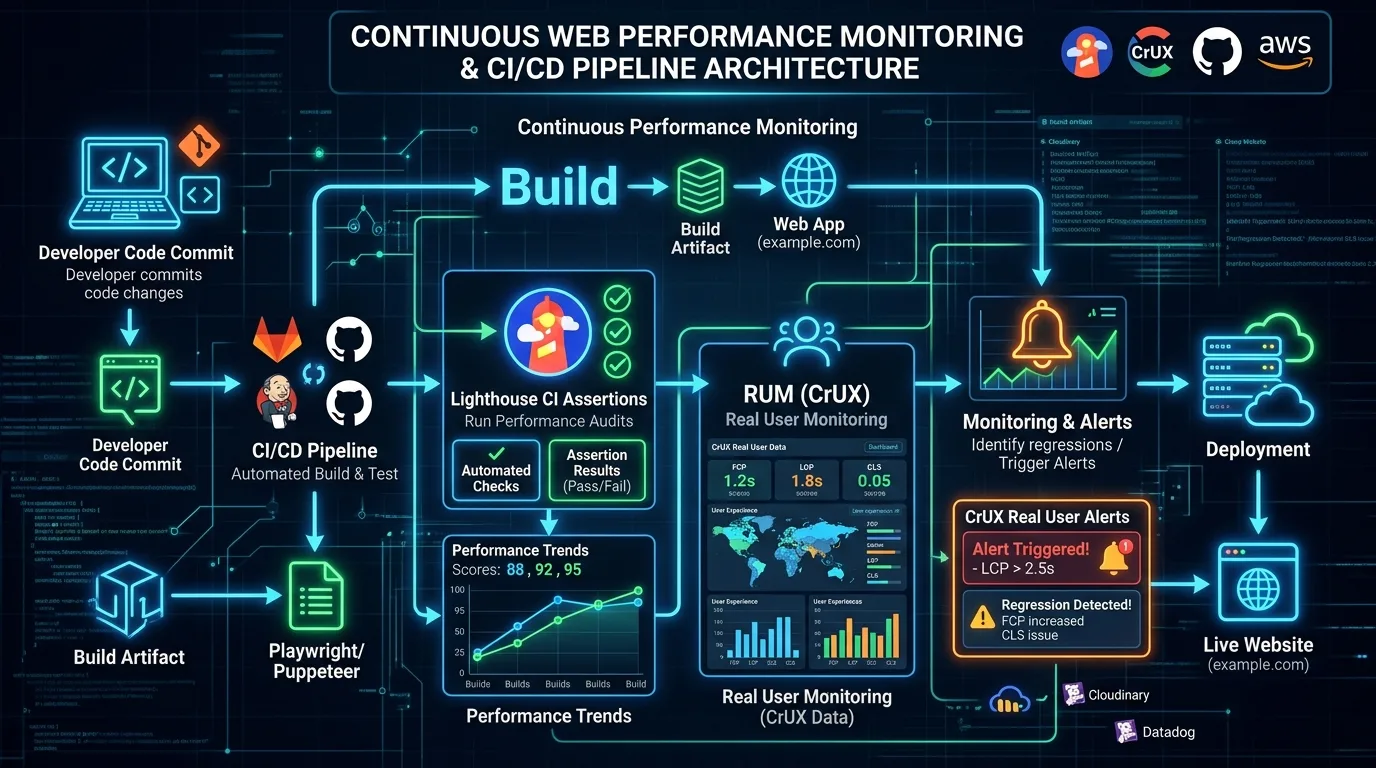
Figure 4: Automated CI/CD pipeline in GitHub Actions validating edge syntax, status codes, and regression rules prior to production release.
An enterprise-grade Edge SEO deployment pipeline must enforce four mandatory automated stages:
- Static Code Analysis (Linting & TypeScript): Validate edge worker scripts against strict TypeScript definitions, preventing syntax errors and unhandled promise rejections.
- Unit Testing with Miniflare / Local Mocking: Execute automated Jest or Vitest test suites simulating HTTP requests and verifying that redirect rules and header transformations return expected values.
- Staging Deployment & Synthetic Crawl Validation: Deploy the worker to a Cloudflare preview environment and trigger automated headless crawls using Playwright or custom scripts from our Python for SEO automation toolkit to verify zero 5xx errors.
- Canary Production Release: Gradually roll out the edge worker across 5%, 25%, and finally 100% of live production edge traffic while monitoring real-time error rates via Datadog or Cloudflare Analytics.

9. Enterprise Case Study: Deploying 45,000 Redirects and Dynamic Rendering for a B2B Unicorn
To demonstrate the transformative power of Edge SEO in mission-critical environments, consider the case of OmniCloud Technologies, a high-growth B2B enterprise software company valued at over $4 billion. OmniCloud had migrated its marketing website to a modern client-side React SPA, resulting in a disastrous 48% drop in organic search visibility because Googlebot was struggling to render their dynamic content.
The technical SEO team proposed and executed a comprehensive Edge SEO solution using Cloudflare Workers deployed in just five business days:
- Edge Dynamic Rendering Deployment: Deployed an edge worker that detected Googlebot, queried Prerender.io for pre-warmed static HTML snapshots, and cached them at the CDN edge for 72 hours.
- Automated Edge Redirect Map: Ingested 45,000 legacy URLs into Workers KV, instantly eliminating thousands of 404 errors with 1ms response latency.
- Dynamic JSON-LD Injection: Injected structured SoftwareApplication and Organization schema into every product page using streaming HTMLRewriter.
The results were historic. Within 18 days of edge deployment, Googlebot crawl coverage on pre-rendered pages increased by 620%. Organic search rankings rebounded completely, surpassing pre-migration records by 34% within 90 days and rescuing millions of dollars in enterprise software pipeline.
10. Frequently Asked Questions (FAQ)
Below are authoritative answers to the most common questions regarding Edge SEO implementation, CDN serverless architectures, and operational governance.



Ratings & reviews
No reviews yet. Be the first.