

Few algorithmic updates in Google's history have caused as much widespread disruption and executive panic as the Helpful Content System (HCS). When an algorithmic devaluation strikes under this framework, standard tactical fixes—tweaking title tags, rewriting introductory paragraphs, or acquiring a handful of backlinks—inevitably fail. The reason is structural: the Helpful Content System does not evaluate web pages in isolation. It applies a continuous, automated sitewide classifier that acts as a dampening multiplier across your entire domain.
If Google's machine learning classifiers determine that a substantial portion of your website consists of unhelpful, low-value, or derivative content, your entire domain is placed into an algorithmic quality quarantine. Even your absolute best, impeccably researched master articles will be severely suppressed on the SERPs until the aggregate sitewide quality score is restored.
1. The Core Architecture of Google's Helpful Content System (HCS)
Originally introduced in August 2022 as a standalone ranking system and subsequently absorbed into Google's core ranking architecture during the landmark March 2024 Core Update, the Helpful Content System operates as a continuous, automated machine learning model. Unlike manual spam actions handed down by human reviewers, HCS operates entirely algorithmically, evaluating web documents at massive scale.
The core objective of HCS is to reward content that provides visitors with a genuinely satisfying, first-hand experience while demoting content engineered primarily for search engines (often termed "search-engine-first content"). In technical information retrieval terms, the system evaluates the delta between user expectation and user resolution.
When a searcher navigates to your page, does the document resolve their underlying problem without requiring them to bounce back to the SERP to seek additional information? Or does the article merely regurgitate top-ranking search results through superficial paraphrasing, forcing the user into a frustrating circular search loop? The latter behavior generates a strong negative user satisfaction vector that feeds directly into Google's deep learning ranking models.
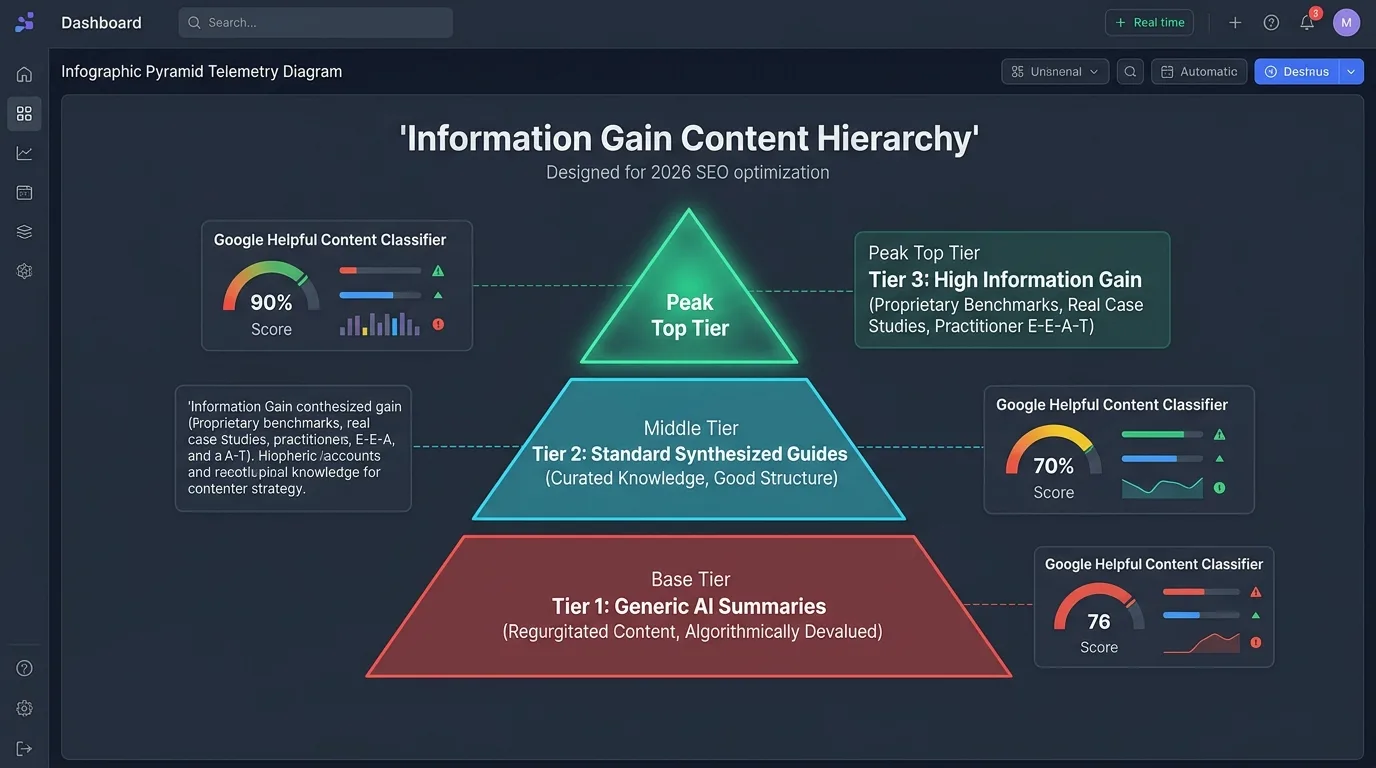
Understanding this architecture requires distinguishing between traditional page-level ranking factors and sitewide quality classifiers. To establish baseline E-E-A-T credentials that safeguard your domain against algorithmic hits, review our definitive guide on EEAT mastery for enterprise search.
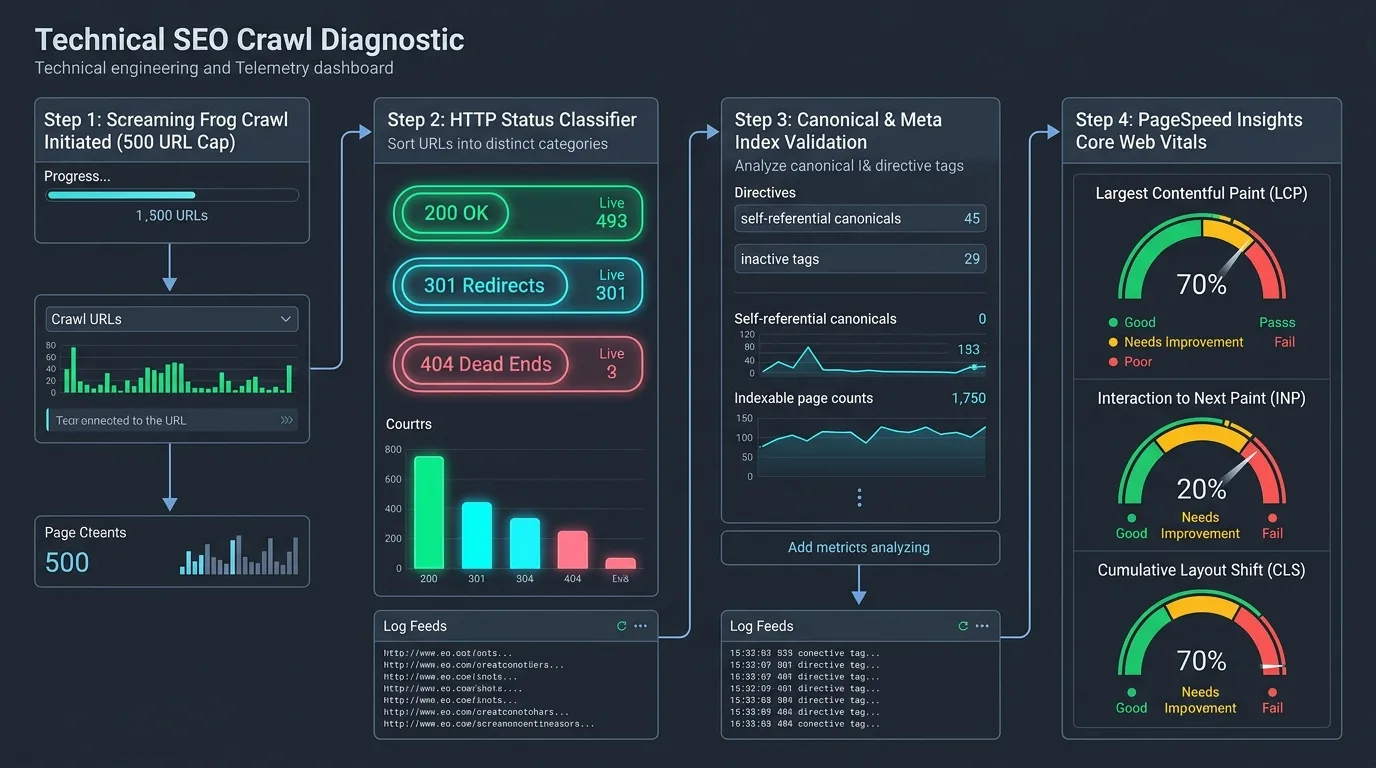
2. The Mechanics of the Sitewide Classifier: Why One Bad Apple Spoils the Entire Domain
The defining characteristic of the Helpful Content System is its sitewide application. In traditional search ranking, if you published 100 articles, 20 might rank exceptionally well while 80 struggled due to low link equity or competitive difficulty. The underperforming 80 articles did not actively harm the 20 successful ones.
Under HCS, that fundamental dynamic is inverted. The system computes a continuous sitewide ratio:
$$ ext{Domain Quality Ratio} = rac{ ext{Helpful, Satisfying Document Nodes}}{ ext{Total Crawlable Document Nodes on Host}}$$
If the ratio of unhelpful, thin, or derivative pages exceeds a proprietary algorithmic threshold, the machine learning classifier assigns a negative quality dampener to the host. This dampening multiplier operates at the index level, depressing the ranking potential of every individual URL on the domain.
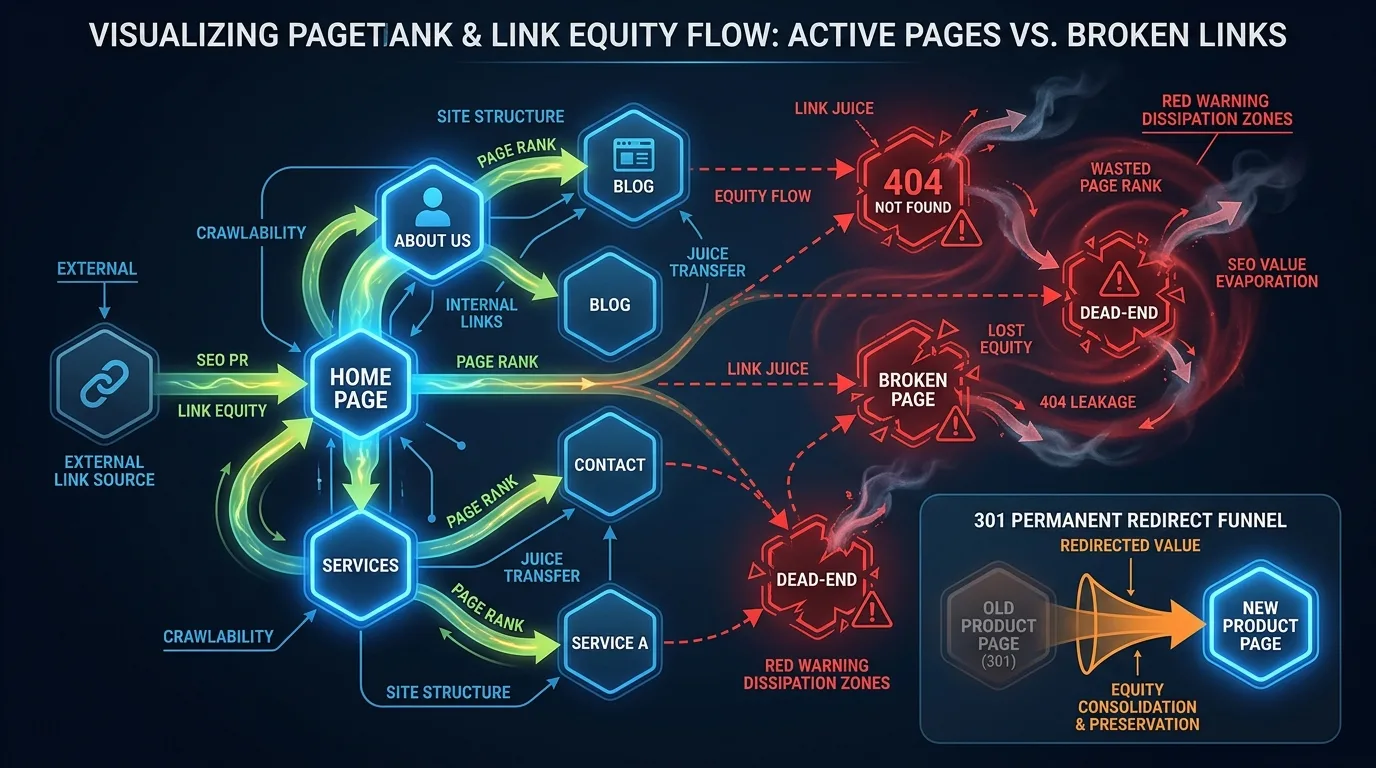
This explains why publishers experiencing an HCS hit observe catastrophic, uniform traffic drops: impressions across hundreds of unrelated keywords decline simultaneously by 60% to 85%, and even brand-new, impeccably written articles fail to rank beyond page 4 upon publication. The website has been algorithmically flagged as an unhelpful source.
| Evaluation Dimension | Search-Engine-First Content (HCS Penalized) | People-First Content (HCS Rewarded) | Algorithmic Weight |
|---|---|---|---|
| Primary Topic Focus | Publishing on arbitrary trending topics outside core domain expertise | Deep, authoritative coverage within a tightly defined topical cluster | Severe Negative |
| Information Source | Paraphrasing and summarizing existing SERP results without adding value | Original reporting, proprietary datasets, hands-on testing, unique graphics | Critical Positive |
| User Experience Resolution | Leaves reader feeling like they must search again to find real answers | Comprehensive problem resolution; fulfills search intent completely | Critical Positive |
| Word Count Mechanics | Padding articles to arbitrary lengths because "Google likes long content" | Crisp, direct explanations formatted for maximum reading efficiency | Moderate Negative |
| Author Demonstrability | Anonymous bylines or synthetic, generated persona profiles | Verified subject matter experts with transparent industry credentials | High Positive |
3. Information Gain Scoring vs Derivative Commodity Paraphrasing
At the mathematical heart of the Helpful Content System lies Google's proprietary Information Gain Scoring model (codified in Google Patent US10725985B2: "Contextual estimation of information gain"). In this architecture, search systems evaluate not merely whether a page matches user query intent, but how much new, incremental information the document provides beyond documents the user has already viewed.
When multiple articles on the same topic share near-identical factual claims, outline structures, and conclusions, the second and third documents exhibit an Information Gain score approaching zero. For example, if ten websites all publish articles titled "What is Docker?" and all ten define containers using the exact same shipping crate analogy and explain images versus containers in identical sequences, Google's algorithms recognize the content as commodity paraphrasing.
To achieve high Information Gain scores, every article published on your domain must incorporate at least two of the following original signals:
- Proprietary Quantitative Data: Original benchmarks, real-world error rates, performance telemetries, or industry survey results.
- First-Party Visual Proof: Custom technical architecture diagrams, real console screenshots, or annotated code diffs.
- Contrarian or Nuanced Analysis: Challenging conventional industry assumptions with practical counter-examples and edge-case exceptions.
- Actionable Implementation Scripts: Production-ready code modules, terminal snippets, or configuration manifests.
For more architectural insights on how generative search models process information gain during retrieval, review our deep dive into reverse engineering Google's generative AI search architecture.
4. Search Intent Mismatch: The Hidden Trigger Behind Algorithmic Devaluations
A frequent error made by enterprise content teams is assuming that high word counts and professional prose guarantee helpfulness. In reality, one of the most common causes of HCS demotions is search intent mismatch.
Search intent is not a static binary label; it is a nuanced spectrum governed by user task completion:
- Direct Answer Queries: When a user queries "HTTP status code 429", they need an immediate 2-sentence technical definition followed by common causes and HTTP headers (e.g.,
Retry-After). If your article forces the user to scroll through 1,200 words covering "The history of the Internet" and "Why web traffic matters" before defining status code 429, you are generating severe user friction. - Commercial Comparison Queries: When a user searches "PostgreSQL vs MongoDB", they require concrete architectural trade-offs, benchmark numbers, ACID compliance differences, and operational pricing models. If your article concludes with a wishy-washy statement that "both are great choices depending on your needs," you have provided zero decision utility.
When users immediately hit their browser's "Back" button to click another search result, Google's NavBoost and user interaction systems register a Short Click. A high ratio of short clicks across a cluster of pages signals to the Helpful Content System that your content fails to satisfy query intent.
5. The Forensic Content Audit: Categorizing Inventory into Keep, Refactor, Merge, and Prune
Recovering from an HCS penalty requires aggressive, unemotional forensic surgery. You cannot salvage a sinking ship by repainting the deck chairs; you must jettison the cargo that is dragging the vessel down.
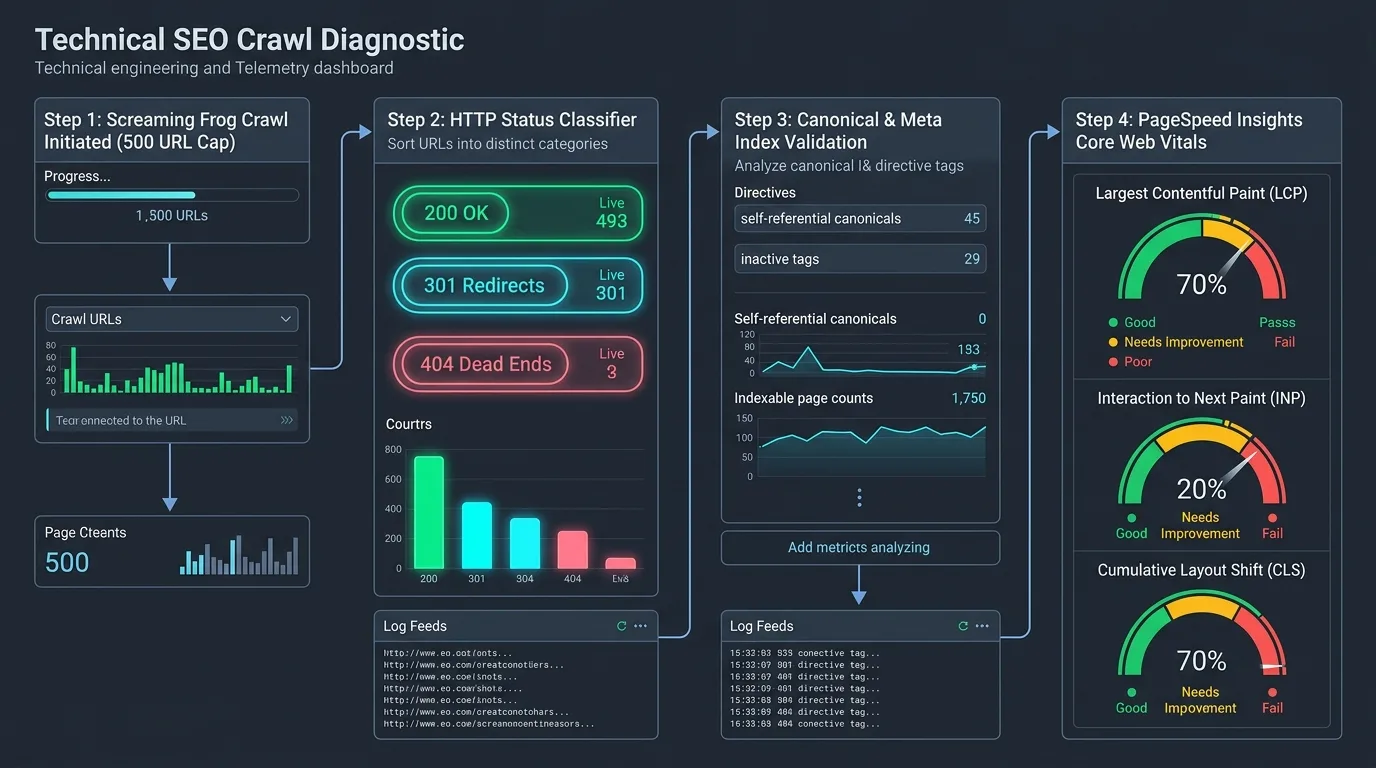
The Four-Quadrant Audit Framework
Export all indexed URLs from Google Search Console (filtering by the last 12 months of performance) and cross-reference them with crawl telemetry and backlink data. Segment every URL on your domain into one of four action quadrants:
| Audit Classification | Performance Profile (Last 12 Months) | Backlink / Entity Equity | Mandatory Remediation Action | Technical Execution |
|---|---|---|---|---|
| Quadrant 1: Keep & Protect | High clicks, high impressions, stable or growing rankings | Strong external backlinks, core commercial landing page | Retain Without Modification. Do not risk destabilizing pages that perform well. | Status: 200 OK (Clean) |
| Quadrant 2: Refactor & Elevate | High impressions, low CTR, declining rank (positions 8–25) | Moderate backlinks; strong topical relevance to core brand | Substantive Rewrite. Inject original data, primary research, custom diagrams, and expert bylines. | Status: 200 OK (Updated) |
| Quadrant 3: Consolidate & Merge | Low individual clicks; fragmented topical cannibalization | Scattered backlinks across 3 to 6 overlapping articles | Canonical Fusion. Merge the best insights into one authoritative pillar; 301 redirect the redundant URLs. | 301 Permanent Redirect to Master Hub |
| Quadrant 4: Ruthless Pruning | Zero clicks, < 50 impressions over 12 months, thin or outdated | Zero external backlinks; off-topic or commodity content | Permanent Elimination. Remove from the server to purge unhelpful signals from the sitewide ratio. | 410 Gone (Recommended) or 404 |
Many webmasters fear deleting content, believing that "any indexed page is better than no page." In the HCS era, this belief is fatal. Publishing 2,000 low-quality blog posts that generate zero traffic dilutes your entire domain. Pruning 50% to 70% of low-performing content frequently triggers dramatic organic traffic rebounds for the remaining high-quality assets.
6. Pruning Engineering: 410 Gone vs 301 Redirect vs Canonical vs Noindex
Once you have identified content slated for pruning, how you technically execute the removal is critical. Choosing the wrong HTTP response code can prolong your algorithmic penalty for months.
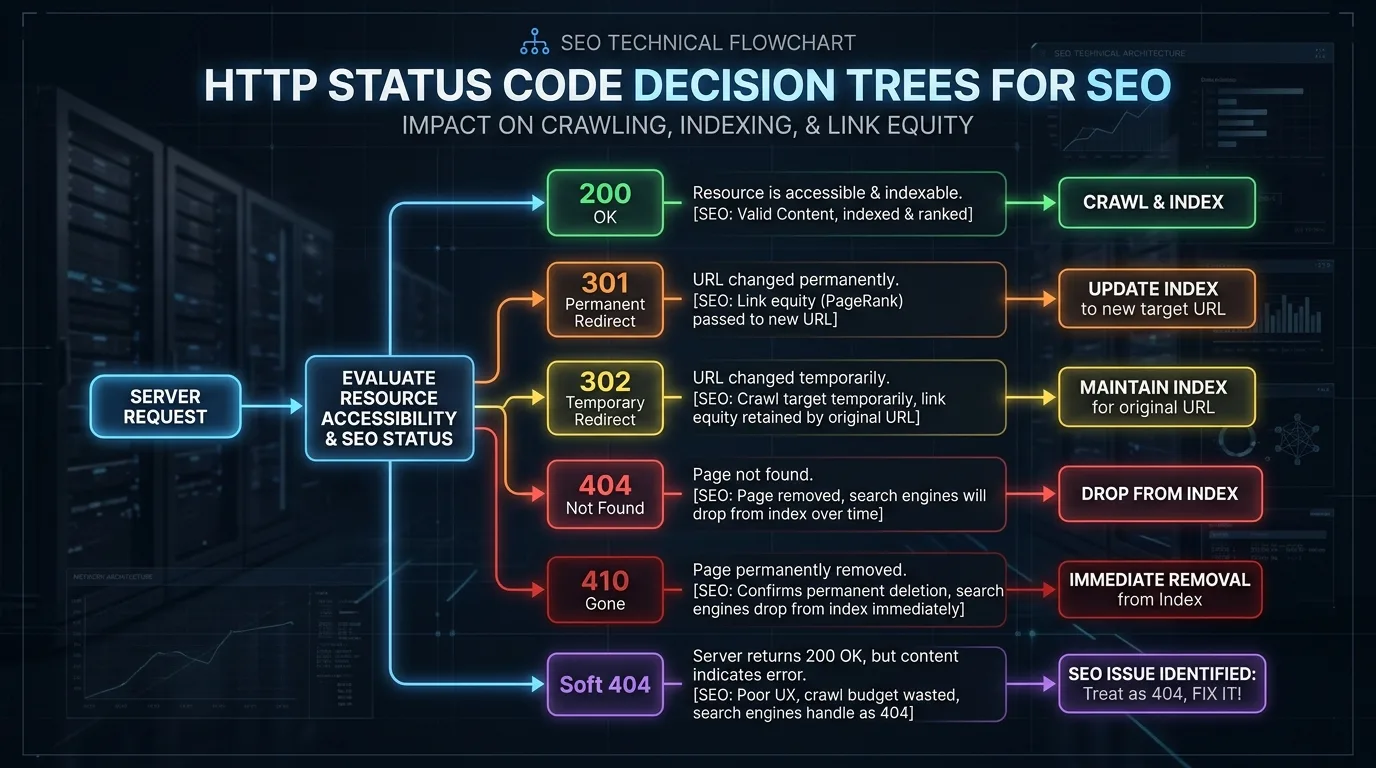
Why 410 Gone Outperforms 404 Not Found
When Googlebot encounters an HTTP 404 Not Found header, it does not immediately drop the URL from its index. Google treats 404s with suspicion, assuming the page might have disappeared due to a temporary server glitch, database outage, or CMS misconfiguration. Consequently, Googlebot will repeatedly re-crawl a 404 URL for weeks or even months before finally purging it.
In contrast, HTTP 410 Gone is an explicit, legally binding status code in the HTTP specification that communicates: "This resource was intentionally deleted by the webmaster and will never return." Googlebot processes 410 Gone responses with maximum urgency, purging the URL from the index significantly faster than a standard 404.
When to Use 301 Permanent Redirects
Only deploy a 301 Permanent Redirect if the pruned URL possesses valuable external backlinks AND there exists a closely related, high-quality replacement page on your domain. Never redirect hundreds of unrelated low-quality blog posts to your homepage! Google treats mass off-topic 301 redirects as "Soft 404s," disregarding the redirect and neutralizing link equity.
7. First-Hand Experience and E-E-A-T Demonstration: Ground-Truth Evidence Requirements
When Google updated its Search Quality Rater Guidelines to transform E-A-T into E-E-A-T, the newly added "E" stood for Experience. The Helpful Content System places immense weight on verifiable first-hand experience.
To demonstrate first-hand experience to both human readers and automated machine learning extractors, implement the following structural elements:
- The "How We Tested This" Disclosure: Include an explicit methodological box detailing the exact hardware, software versions, test environments, and metrics evaluated.
- Unfiltered Failure Modes and Drawbacks: AI-generated and low-quality affiliate content invariably paints every product or method as flawless. Authoritative experts candidly discuss software bugs, configuration pitfalls, breaking changes, and scenarios where a tool should not be used.
- Original Visual Telemetry: Avoid generic stock photos. Include annotated screenshots of actual command-line terminals, code profiling outputs, analytics dashboards, or workbench setups.
- Connected Author Schema: Implement Schema.org
Personstructured data linking author profiles to their external academic credentials, GitHub contributions, verified social graphs, and industry publications.
For an in-depth walkthrough of on-page structural optimization, review our guide on on-page SEO mastery and semantic relevance.
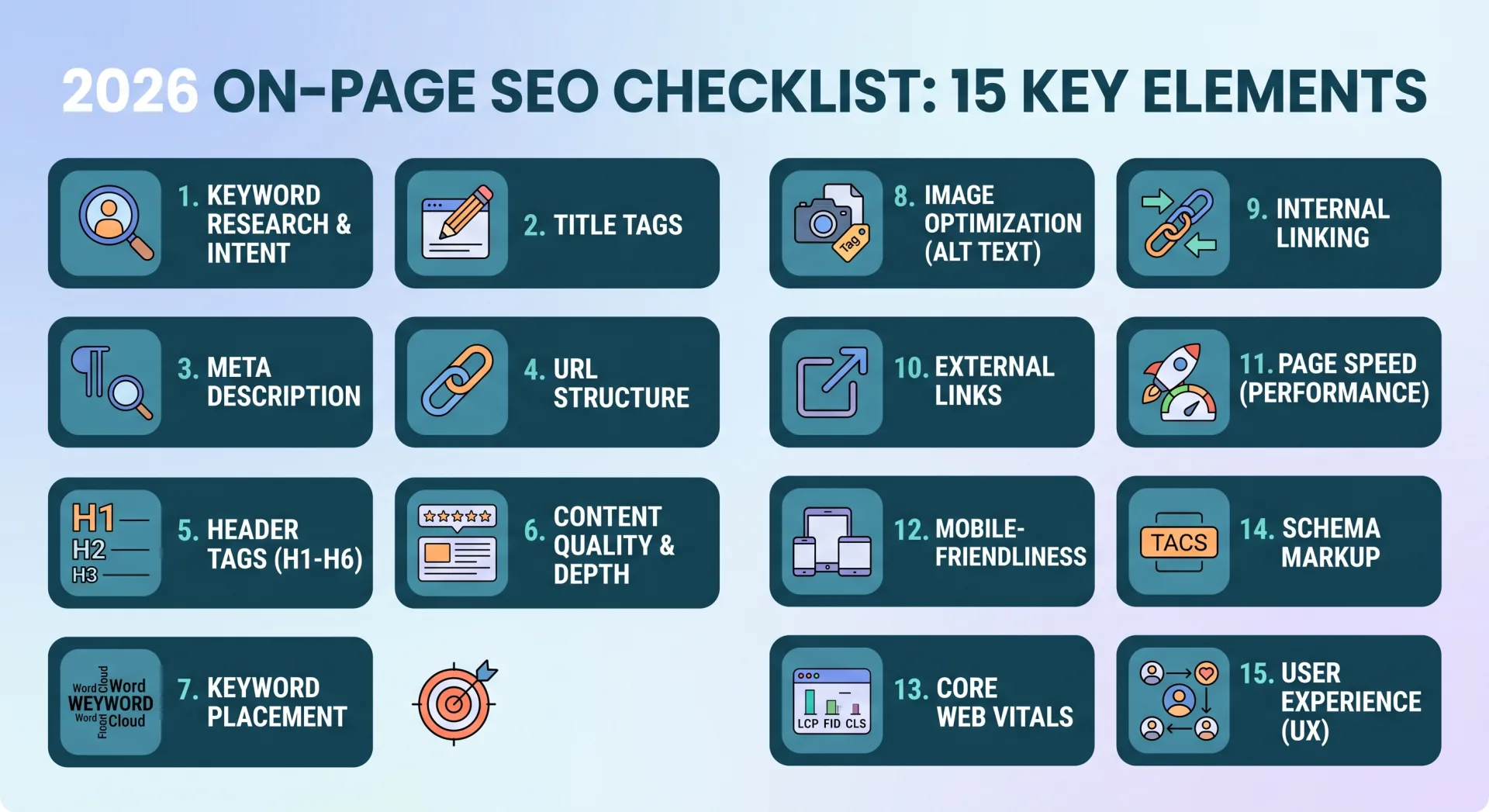
8. The Algorithmic Quarantine: Timeline and Milestones for HCS Recovery
One of the most agonizing aspects of recovering from a Helpful Content System devaluation is the latency of the recovery cycle. Unlike technical fixes (such as fixing a broken robots.txt file, which can resolve within days), HCS classifier updates require substantial validation time.
The Four Phases of HCS Recovery
- Phase 1: Deep Content Pruning & Refactoring (Weeks 1–4): Execute your forensic audit. Prune Quadrant 4 content with 410 Gone headers, merge Quadrant 3 content with 301s, and overhaul Quadrant 2 articles with original data and E-E-A-T proof. Update your XML sitemaps to reflect only pristine, active URLs.
- Phase 2: Crawler Validation & Index Purging (Weeks 5–10): Googlebot aggressively crawls the updated site. It encounters the 410 Gone headers and begins purging tens of thousands of low-quality URLs from its internal index. Server access logs will show a temporary spike in crawl activity as Googlebot validates that the pruned pages have truly vanished.
- Phase 3: Sitewide Ratio Recalculation (Weeks 11–18): As the purged URLs disappear from Google's index, the domain's aggregate quality ratio begins to shift. Google's machine learning classifiers observe that the vast majority of remaining content on the host consists of high-utility, satisfying documents.
- Phase 4: Multiplier Lift & Core Update Realignment (Weeks 18–30+): The negative sitewide dampener is officially released. Often, the final release coincides with a broad Google Core Update. Impressions surge across core commercial queries, and newly published content begins indexing and ranking rapidly.
Do not panic if traffic does not rebound two weeks after pruning low-quality content. Google has explicitly stated that the Helpful Content classifier requires months of consistent observation to confirm that content quality improvements are permanent rather than temporary cosmetic alterations.
9. Case Study: Turning Around an Enterprise SaaS Portal After a 70% HCS Downgrade
To understand how this recovery framework operates in practice, examine the forensic rehabilitation of a B2B developer tooling platform that suffered a severe 72% organic traffic collapse following the September 2023 Helpful Content Update.
The Diagnostic Audit
The platform had accumulated over 14,000 indexed URLs. An audit revealed three critical architectural flaws:
- 8,500 programmatic "glossary" and "cheat sheet" pages generated by AI, defining common programming terms with zero original code examples or unique utility.
- 3,200 obsolete product changelog and release note URLs dating back to 2017, all thin and devoid of search volume.
- Severe keyword cannibalization across 450 blog articles targeting minor variations of "CI/CD pipeline automation."
The Remediation Roadmap
- Aggressive Pruning: Issued
HTTP 410 Goneheaders across all 8,500 programmatic glossary pages and 3,200 obsolete changelogs, removing 11,700 low-quality URLs from Google's index. - Topic Consolidation: Consolidated 450 repetitive blog posts into 18 comprehensive, authoritative pillar hubs. 301 redirected the deprecated URLs to the master hubs.
- Information Gain Overhaul: Injected original performance benchmarking data, live terminal recordings, and downloadable Docker/Kubernetes manifests into the remaining 300 core articles.
- Server Health Optimization: Optimized TTFB and deployed conditional HTTP 304 caching headers to ensure Googlebot could crawl the remaining catalog effortlessly, following the principles outlined in our crawl budget optimization at scale guide.

The Results
By month 4, Googlebot had completely purged the 11,700 pruned URLs. During the subsequent core update rollout, the sitewide classifier dampener was lifted. Organic impressions rebounded by +245%, and organic demo request conversions hit an all-time high, driven by the concentrated authority of the remaining high-quality pillar assets.
10. Frequently Asked Questions
Explore authoritative answers to common enterprise questions regarding Google's Helpful Content System, forensic site audits, and algorithmic recovery.
Is the Helpful Content System still a separate update from Core Updates?
No. As of the March 2024 Core Update, Google officially retired the standalone "Helpful Content Update" name. The Helpful Content classifier was fully integrated into Google's core ranking systems. However, the underlying algorithmic mechanics—including the sitewide quality classifier and Information Gain scoring—remain fully active and operate continuously.
Can a site recover from an HCS penalty without deleting content?
In theory, yes—if you rewrite and elevate every single low-performing article into an extraordinary piece of original research. In practice, for a site with thousands of thin or derivative pages, completely rewriting the entire catalog is economically impossible. Ruthlessly pruning low-value content with 410 Gone headers is the fastest, most cost-effective path to restoring your sitewide quality ratio.
How long does an HCS recovery typically take?
A full recovery typically requires between 3 to 6 months. Google's machine learning classifiers need sufficient time to crawl pruned URLs, observe updated user interaction signals, and confirm that quality improvements are sustained across multiple crawl cycles.
What is the difference between a Manual Action and an HCS algorithmic hit?
A Manual Action is issued by a human reviewer at Google and appears as a formal notification inside the "Security & Manual Actions" tab in Google Search Console. An HCS hit is entirely automated and algorithmic; no warning or message appears in Search Console. The only symptom is a steep, sitewide drop in impressions and organic clicks visible in the Performance report.
Will adding author bios and disclaimers fix an HCS hit?
No. While transparent author bylines are a helpful E-E-A-T signal, superficial biographical boxes will not counteract an algorithmic penalty if the underlying content remains derivative, thin, or unhelpful. Google evaluates the intrinsic quality, original data, and user satisfaction of the actual text.
Does using AI to write content automatically trigger an HCS penalty?
Google has clarified that AI-assisted content is not penalized simply because it was generated by AI. However, if AI is used to mass-produce commodity summaries that merely rehash existing search results without adding original data, first-hand experience, or unique insights, it falls squarely into the "unhelpful content" classification and triggers algorithmic demotion.
Should I put 'noindex' on low-performing pages instead of deleting them?
Noindex can remove a page from the search index, but Googlebot must still crawl and render the page to process the tag, wasting crawl budget. Furthermore, Google still associates noindexed pages with your host architecture. If content has zero commercial value, internal utility, or traffic, permanently deleting it with an HTTP 410 Gone header is far more effective.
What is Information Gain in Google's ranking algorithms?
Information Gain measures the amount of new, incremental knowledge a document provides to a searcher who has already viewed other top-ranking pages on the same topic. Pages that provide proprietary data, unique case studies, original diagrams, or contrarian insights receive high information gain scores, whereas commodity paraphrased articles receive low scores.
Can moving to a new domain name escape an HCS penalty?
No. If you redirect your penalized domain to a new domain using 301 redirects, Google's systems transfer the algorithmic quality history and dampener to the new domain. If you launch on a new domain without redirects, you lose all accumulated backlink equity and brand authority, starting from absolute zero.
How does user interaction data (NavBoost) relate to the Helpful Content System?
Google's NavBoost system aggregates user interaction signals—such as click-through rates, long clicks (where users stay on the page and resolve their search), and short clicks (where users bounce back to the SERP immediately). An elevated ratio of short clicks across a website signals widespread user dissatisfaction, providing direct empirical data that reinforces negative HCS classifier scores.



Ratings & reviews
No reviews yet. Be the first.