
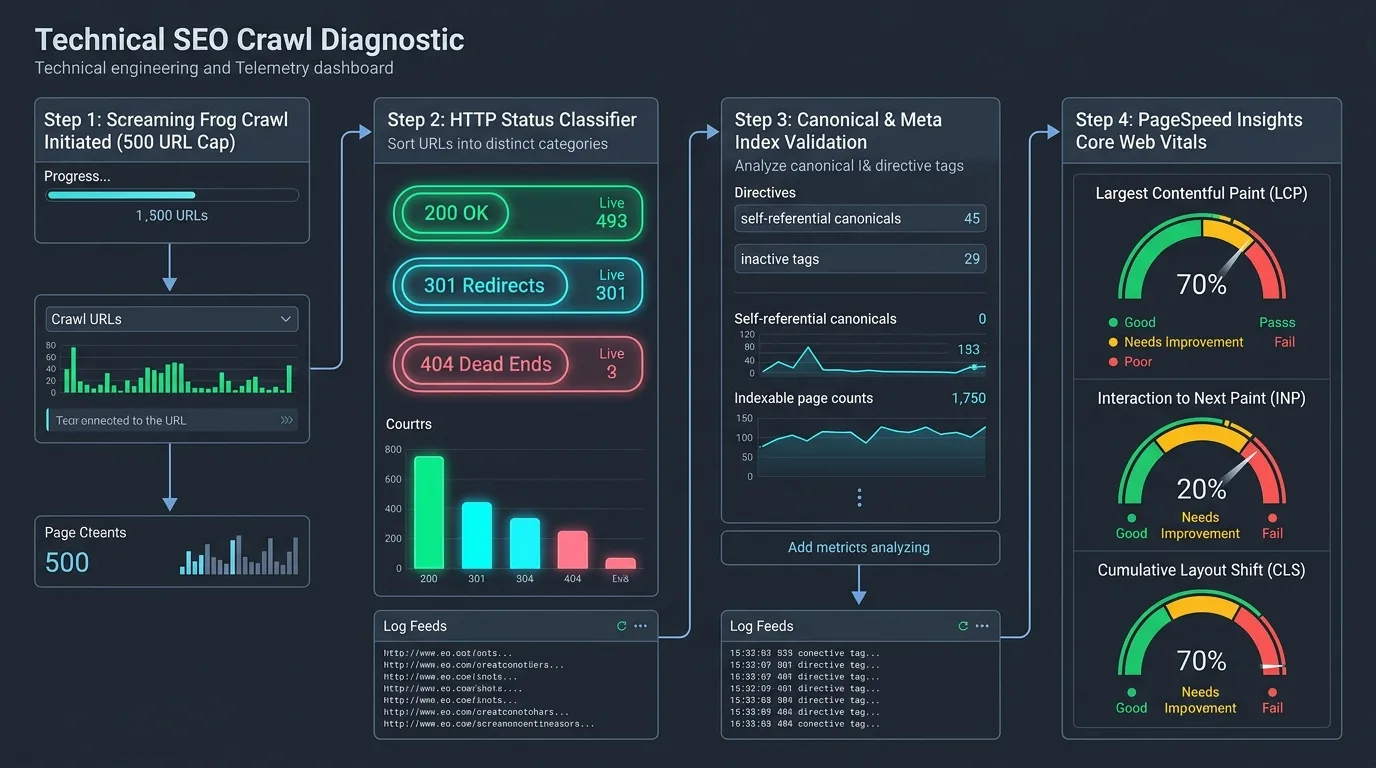
In the modern algorithmic landscape of search engines, content quality is no longer determined by keyword frequency or surface-level comprehensiveness. For websites operating in Your Money Your Life (YMYL) sectors—including finance, healthcare, legal advisory, and high-consideration enterprise software—Google applies the rigorous standard of E-E-A-T: Experience, Expertise, Authoritativeness, and Trustworthiness. Driven by deep neural classifiers, web-wide consensus matching, and explicit quality rater guidelines, E-E-A-T serves as Google's algorithmic firewall against misinformation, unverified claims, and low-effort synthetic content.
1. The Evolution of E-E-A-T: Why Trust is the Central Anchor of Search Quality
In December 2022, Google made a foundational update to its Search Quality Rater Guidelines by prepending an additional "E" for Experience to the established E-A-T framework. This evolution reflected a fundamental realization: with the emergence of generative AI and commodity web summaries, the most scarce and valuable commodity on the internet is authentic, verifiable first-hand human experience.
Google's quality evaluators and automated algorithms divide trust into distinct, mutually reinforcing pillars:
- Experience: Does the creator possess genuine, first-hand, physical or practical exposure to the topic? Have they used the software, taken the medication, visited the jurisdiction, or executed the financial transaction?
- Expertise: Does the author possess the formal training, professional credentials, certifications, or specialized knowledge required to analyze complex subject matter?
- Authoritativeness: Is the creator or publishing domain recognized by industry peers, professional associations, and independent publications as a primary reference source?
- Trustworthiness: The foundational anchor connecting all three elements. Is the website transparent about ownership, funding, editorial policies, factual corrections, and data privacy?
Websites failing to establish these trust signals are particularly vulnerable during broad core algorithm updates. To build systemic resilience, technical teams must harmonize on-page author credentials with connected enterprise schema markup and rigorous factual accuracy.
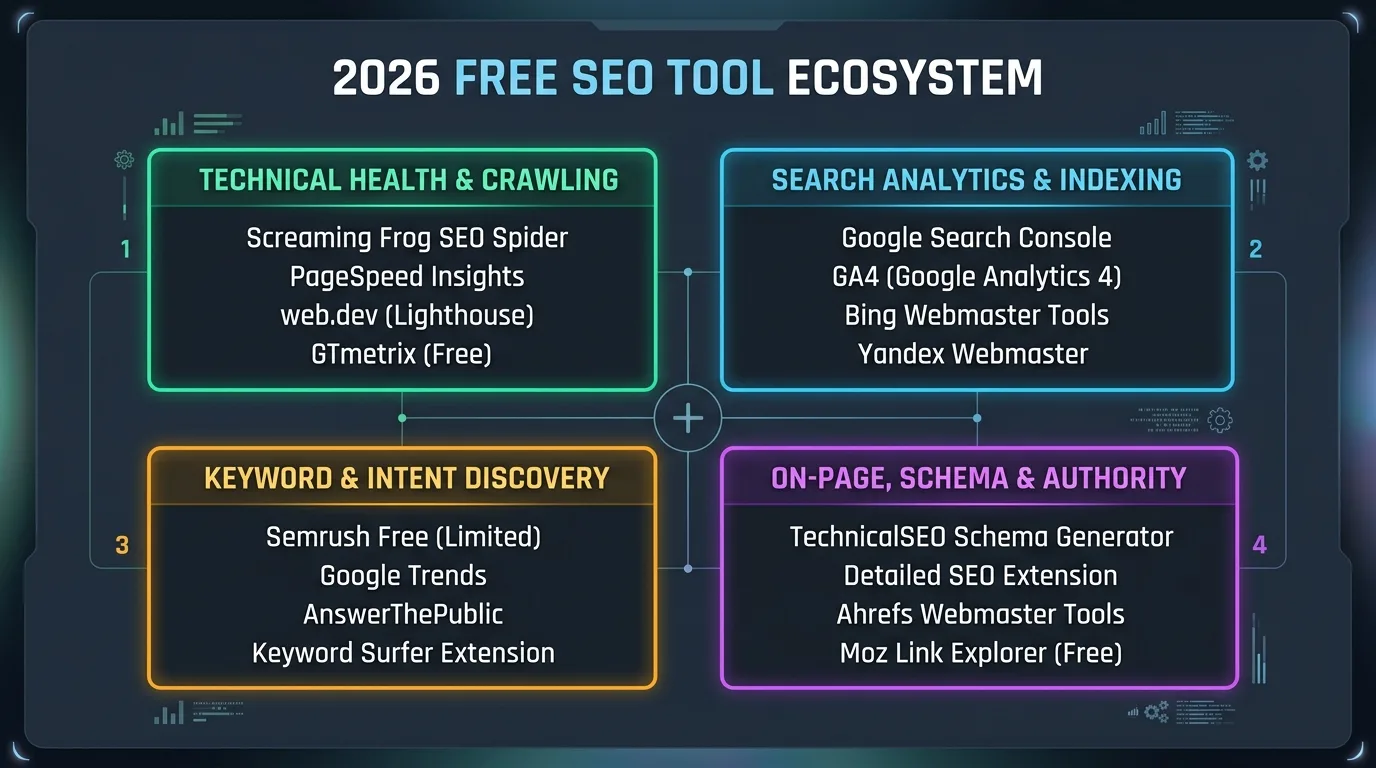
2. YMYL Categorization: Which Topics Demand Extreme Quality Thresholds
Google designates certain search verticals as "Your Money or Your Life" (YMYL) because inaccurate, misleading, or deceptive information could directly impact a user's health, financial security, civil rights, or emotional safety. In YMYL spaces, Google's ranking algorithms deliberately elevate the weighting of algorithmic quality classifiers while discounting traditional link-based PageRank.
The primary YMYL categories include:
- Financial and Economic Decisions: Banking, investing, retirement planning, insurance, taxation, real estate transactions, and cryptocurrency trading.
- Medical and Health Information: Diagnoses, pharmaceutical treatments, mental health conditions, nutritional advice, emergency medical responses, and clinical trials.
- Legal and Civic Information: Legal rights, judicial proceedings, statutory interpretation, voting procedures, citizenship processes, and government benefits.
- Critical Consumer Decisions: High-ticket purchasing guides, home improvement safety, automotive maintenance, and child safety products.
The following architectural flowchart demonstrates how Google classifies web documents and executes diagnostic quality scoring across YMYL and non-YMYL content streams.
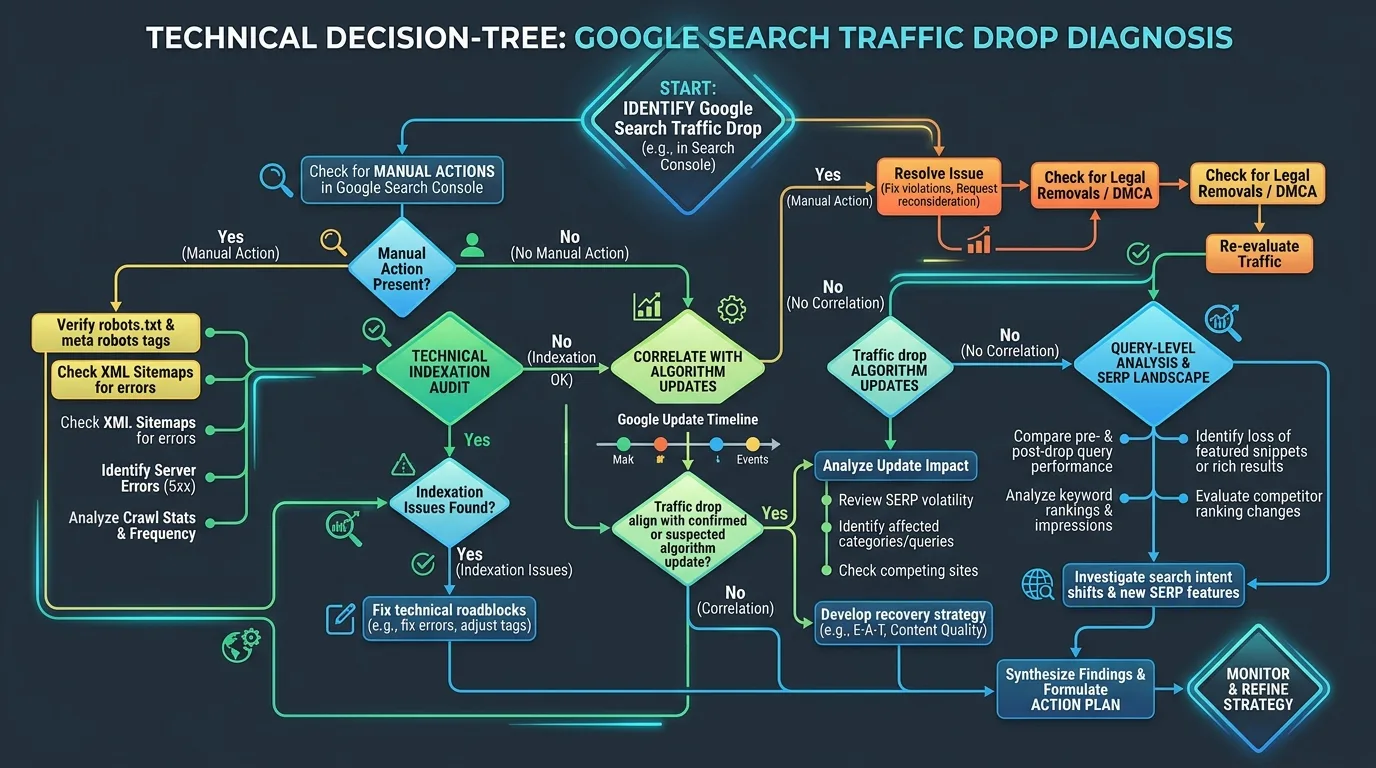
Figure 1: Google's algorithmic diagnostic flowchart evaluating document quality, YMYL exposure, and trust signals.
3. First-Hand Experience Signals: Proving Real-World Usage to Search Algorithms
How does an algorithm mathematically verify that an author actually used a product or performed a procedure rather than summarizing manufacturer marketing copy? In modern search engineering, Google detects first-hand experience through specific on-page linguistic patterns, original multimedia assets, and multi-modal entity verification.
To convincingly demonstrate first-hand experience, editorial workflows must incorporate the following concrete evidentiary signals:
- Original Photography and Telemetry: Un-stock, high-resolution original images showing the product in practical testing environments, including serial numbers, user interface screenshots with custom test data, or benchmarking hardware setups.
- Proprietary Quantitative Testing: Specific, measurable performance metrics derived from controlled laboratory tests (e.g., "In our latency benchmarks under 500 concurrent threads, the database exhibited 14.2ms p99 latency").
- Nuanced Edge-Case Analysis: Discussion of real-world friction points, operational bugs, installation quirks, and scenario-specific limitations that only genuine practitioners experience.
- Author Attribution and Proof of Work: Explanations of testing methodologies, duration of evaluation (e.g., "Evaluated over 90 days across 12 production clusters"), and testing team compositions.
These principles align directly with the criteria evaluated by modern AI engines during LLM source selection and semantic vector retrieval, where original information gain is heavily prioritized over generic aggregations.

4. Author Entities, Bio Schemas, and the Web of Trust
Anonymous or pseudonymous content is an immediate red flag in YMYL verticals. Google's algorithms utilize entity extraction to identify the individual authors behind every article, matching their names against external databases to construct an author-level entity graph.
To maximize author authority, every editorial piece must feature a comprehensive author byline connected to a dedicated author profile page. This author profile must physically display:
- Full legal name, current academic or corporate title, and high-resolution professional headshot.
- Detailed biography outlining relevant academic degrees, industry certifications, years of specialized practice, and past publications.
- Direct, clickable links to independent third-party profiles: LinkedIn, Google Scholar, ResearchGate, ORCID identifier, and verified social channels.
- An explicit statement of editorial independence, disclosing any commercial sponsorships, affiliate affiliations, or financial conflicts of interest.
Furthermore, technical teams must reinforce these visual credentials with machine-readable Person structured data linked directly into the document's @graph ontology:
{
  "@context": "https://schema.org",
  "@type": "Person",
  "@id": "https://seobeen.com/authors/dr-sarah-jenkins#person",
  "name": "Dr. Sarah Jenkins, MD, MSc",
  "jobTitle": "Chief Clinical Neurologist",
  "worksFor": {
    "@type": "Organization",
    "name": "Johns Hopkins Medicine"
  },
  "alumniOf": [
    {
      "@type": "EducationalOrganization",
      "name": "Harvard Medical School"
    }
  ],
  "sameAs": [
    "https://orcid.org/0000-0002-1825-0097",
    "https://scholar.google.com/citations?user=xyz1234",
    "https://www.linkedin.com/in/drsarahjenkins"
  ],
  "knowsAbout": [
    "https://www.wikidata.org/wiki/Q234066",
    "https://www.wikidata.org/wiki/Q11085"
  ]
}
By defining alumniOf, sameAs, and knowsAbout with unambiguous Wikidata URIs, webmasters eliminate algorithmic ambiguity and anchor author authority within Google's Knowledge Vault.
5. Editorial Transparency, Reviewer Governance, and Fact-Checking Workflows
In highly regulated industries, publishing authoritative content requires a formal two-tier editorial review workflow. A medical article authored by a healthcare journalist must be formally reviewed and signed off by a licensed medical doctor. A tax strategy guide authored by a financial writer must be verified by a Certified Public Accountant (CPA) or tax attorney.
To signal institutional trust to both users and algorithmic raters, web pages must prominently feature an Editorial Trust Box above the fold containing:
- Primary Author: Name, credential initials, and link to comprehensive bio.
- Medical / Technical Reviewer: Verified professional reviewer with link to credentials and licensing verification.
- Original Publication Date & Last Reviewed Date: Explicit verification that the content has been audited for medical or regulatory changes within the past 6 to 12 months.
- Fact-Checking Badge: Clear statement of the rigorous primary sources consulted during drafting.
The table below highlights the comparative differences between an enterprise-grade YMYL editorial governance model and a legacy, high-risk content pipeline:
| Governance Dimension | Legacy / Commodity Content Model | Enterprise E-E-A-T Governance Model |
|---|---|---|
| Author Attribution | "Admin" or anonymous ghostwriter without credentials | Named subject-matter expert with verifiable academic or industry credentials |
| Secondary Review | None; copy-editor only checks grammar and spelling | Licensed professional (MD, CPA, JD, PE) conducts formal clinical/technical review |
| Citation Methodology | Links to commercial affiliate blogs or general Wikipedia | Direct citations to peer-reviewed PubMed trials, SEC filings, and primary statutory code |
| Content Freshness | Automated script changes published date without text updates | Periodic subject-matter recertification with visible changelog detailing edits |
| Conflict Disclosure | Hidden or nonexistent affiliate and commercial disclosures | Prominent, unambiguous FTC-compliant disclosures explaining monetization |
Pairing these governance standards with systematic knowledge graph entity optimization signals to search engines that your domain adheres to institutional publishing standards.
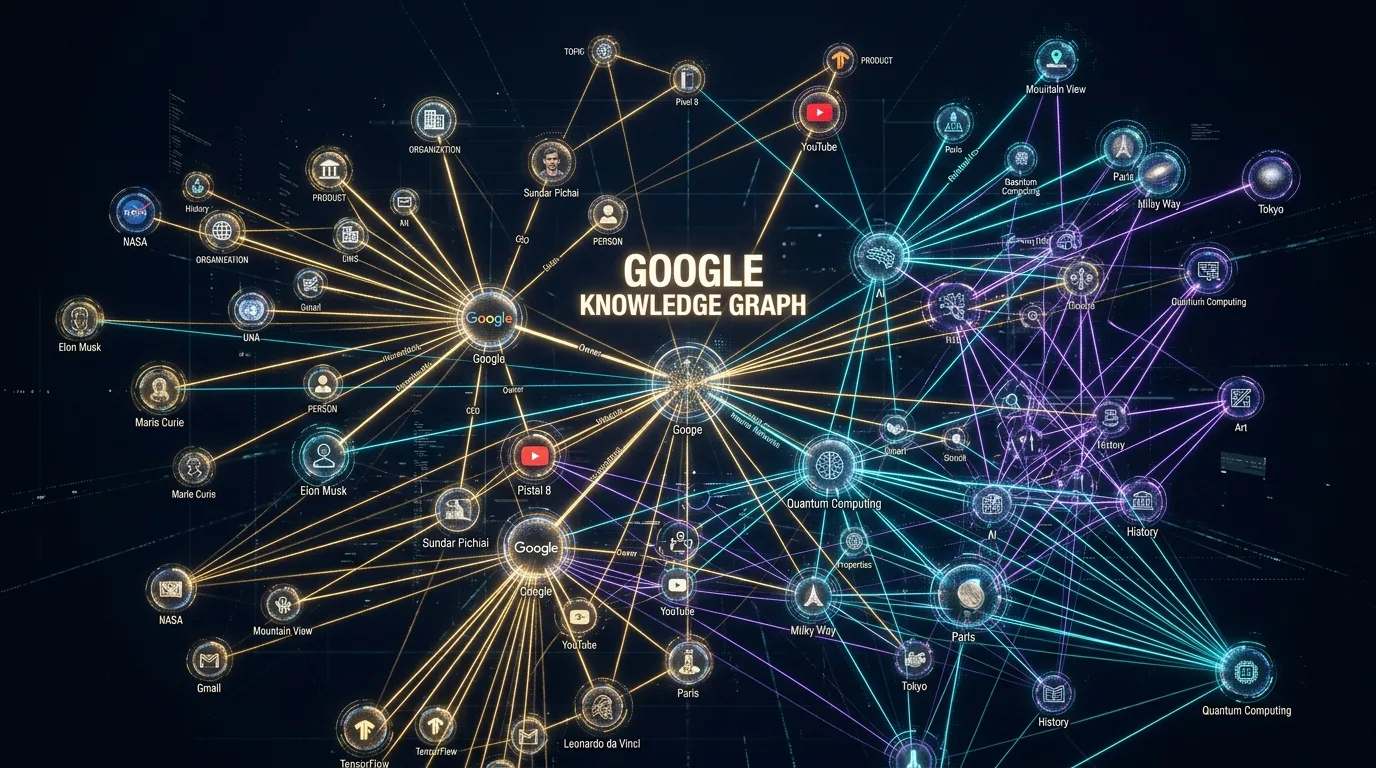
6. Google's Helpful Content System (HCS) and Sitewide Quality Classifiers
One of the most consequential algorithmic shifts in recent search history was the integration of Google's Helpful Content System (HCS) into the core ranking algorithm. Unlike legacy algorithms that evaluated pages on a strictly isolated basis, the Helpful Content System generates a sitewide quality classifier that acts as a multiplier across every URL on a domain.
If the HCS classifier determines that a significant proportion of your website consists of "unhelpful," derivative, search-engine-first content, the entire domain is penalized—depressing rankings even for genuinely exceptional articles.
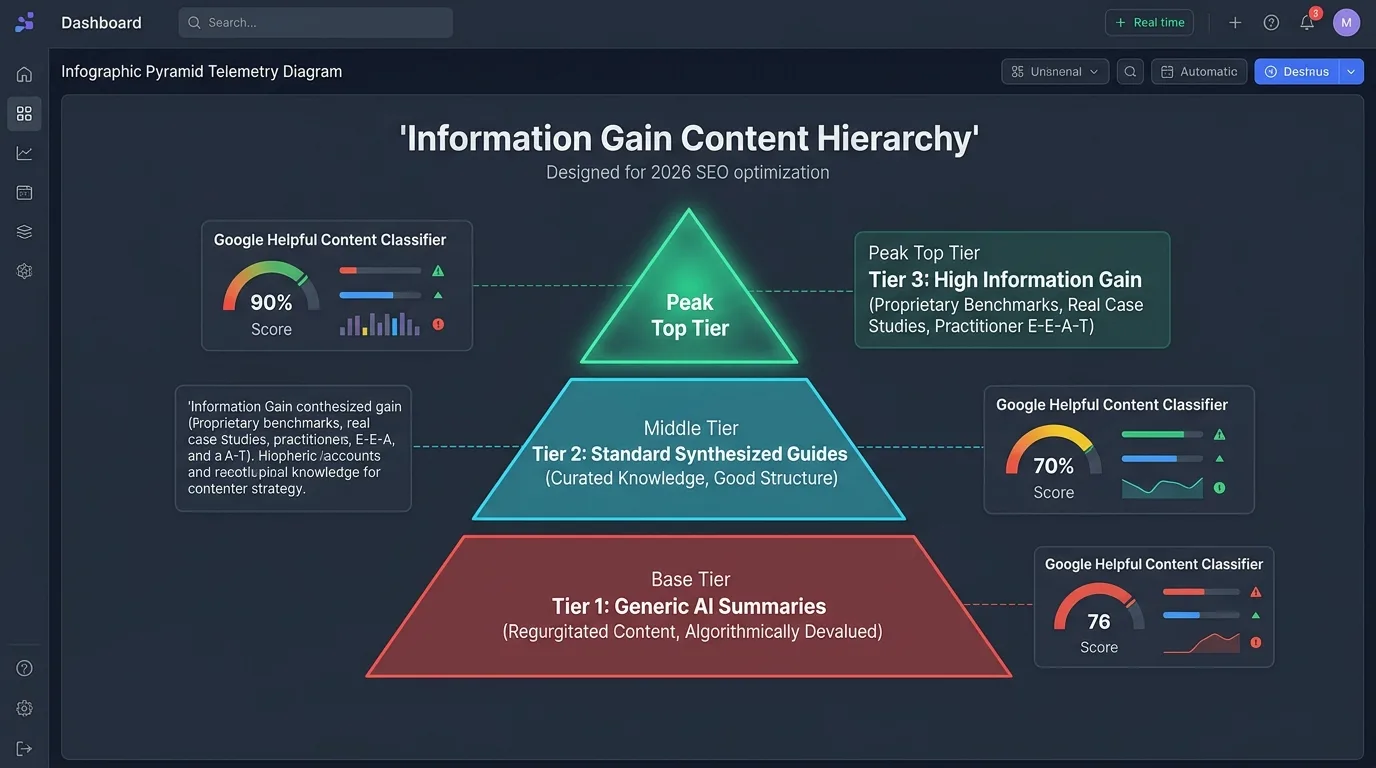
Figure 2: Architecture of Google's Helpful Content System classifier applying sitewide quality scoring.
The HCS machine learning model specifically flags the following structural weaknesses:
- Content Created Primarily for Search Engines: Targeting keywords outside your core area of expertise solely because they possess high search volume.
- Regurgitating Without Adding Value: Summarizing what ranking competitors have written without providing original data, unique synthesis, or actionable novel frameworks.
- Leaving Readers Unsatisfied: Requiring the reader to return to the search results to find answers to questions that should have been addressed comprehensively.
- False or Exaggerated Claims: Answering questions that have no definitive answer (e.g., claiming to know an unannounced release date) just to capture speculative search volume.
To eliminate HCS risk, enterprise websites must perform quarterly content audits, aggressively pruning or consolidating legacy thin content into comprehensive pillar assets.
7. Citations, Scientific Literature, and Consensus Mapping
In YMYL search evaluation, search engines cross-reference claims made on your page against the broader web to determine whether your statements reflect scientific and professional consensus. Contradicting well-established scientific consensus without overwhelming empirical proof is one of the fastest ways to trigger an algorithmic quality penalty.
To build unassailable factual authority, your content should implement a formal academic citation architecture:
- Cite Primary Sources Directly: Link directly to original clinical trials in the National Library of Medicine (PubMed), official governmental data releases (CDC, FDA, SEC, BLS), or peer-reviewed journal papers.
- Use Formal Numbered In-Text Reference Anchors: Structure long-form content with superscripts or bracketed references (e.g.,
[1],[2]) corresponding to a dedicated bibliography section at the conclusion of the guide. - Quote Verified Authorities Contextually: Incorporate direct quotes from recognized industry leaders, citing their full credentials and institutional affiliations.
- Contextualize Contrarian Perspectives: If presenting a dissenting hypothesis or cutting-edge alternative therapy, explicitly state the current consensus view first before explaining the emerging research.
The comparative taxonomy matrix below illustrates how different algorithmic systems classify web content and penalize non-consensus or misleading claims:
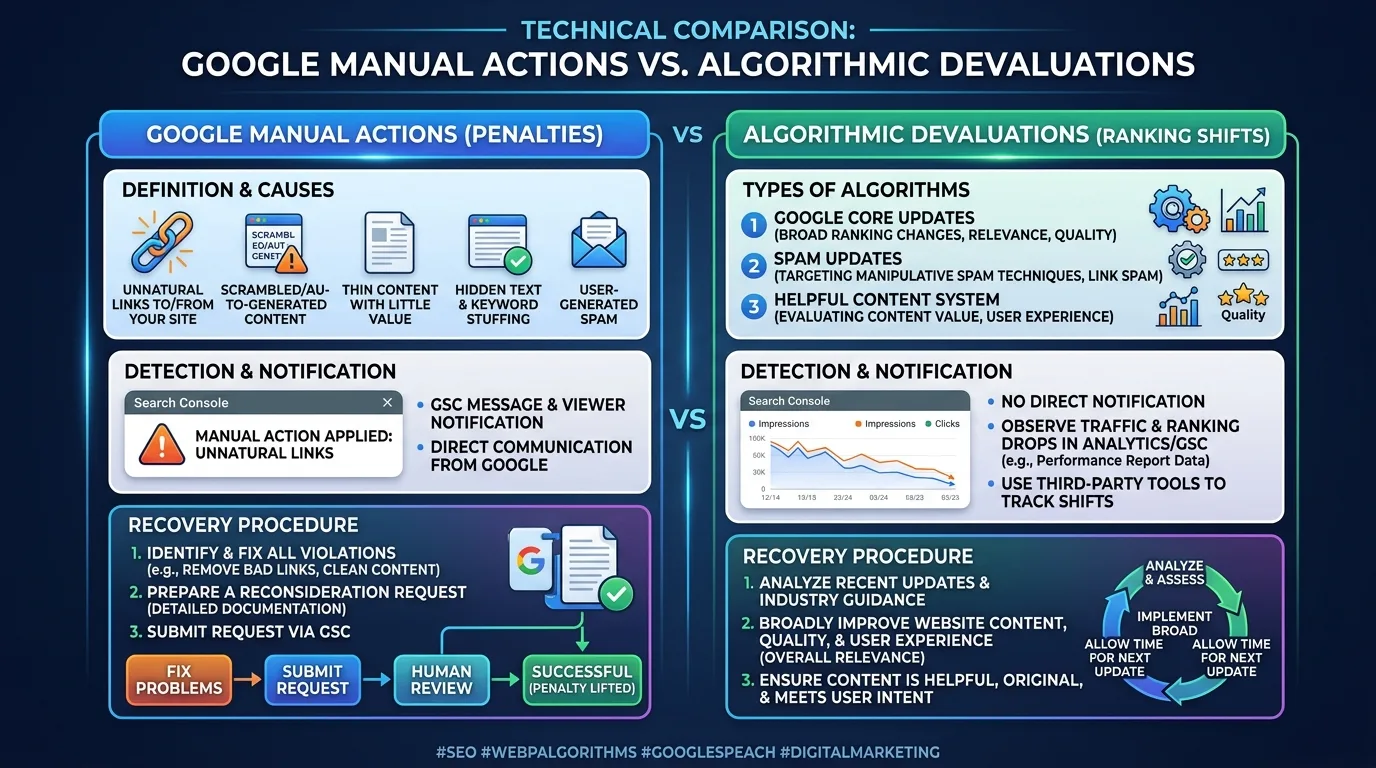
Figure 3: Taxonomy comparison of Google algorithmic quality penalties, classification triggers, and enforcement scopes.
8. Technical Trust Signals: HTTPS, Policies, Customer Support, and Clean UX
Trustworthiness extends far beyond editorial text; it encompasses the complete technical and operational presentation of your digital property. A website that presents exceptional editorial content but suffers from aggressive monetization, deceptive advertising layouts, or broken technical configurations will fail Google's automated trust filters.
The essential technical trust checklist for enterprise web properties includes:
- End-to-End Cryptographic Security: Full site-wide TLS 1.3 encryption with modern cipher suites, HSTS preloading, and zero mixed-content warnings.
- Exhaustive Legal Documentation: Transparent, accessible links in the primary footer to Privacy Policy (GDPR/CCPA compliant), Terms of Service, Cookie Policy, and Disclaimer notices.
- Physical Corporate Transparency: A dedicated contact page containing physical office addresses, verified telephone support numbers, customer service email addresses, and interactive Google Maps embeds.
- Separation of Ads and Content: Strict visual demarcation between editorial text and advertising units. No intrusive interstitial popups that block reading flow on mobile devices, and zero deceptive ad units styled to look like internal navigational links.
- Rigorous Technical Hygiene: Maintaining pristine crawlability and fast page loads by executing routine technical crawl diagnostics to eliminate 404 errors, redirect loops, and crawl waste.
9. Measuring E-E-A-T Health: Leading vs. Lagging Indicators
Because E-E-A-T operates as an algorithmic classifier rather than a simple on-page checklist, monitoring its effectiveness requires tracking both leading operational metrics and lagging market outcomes over time.
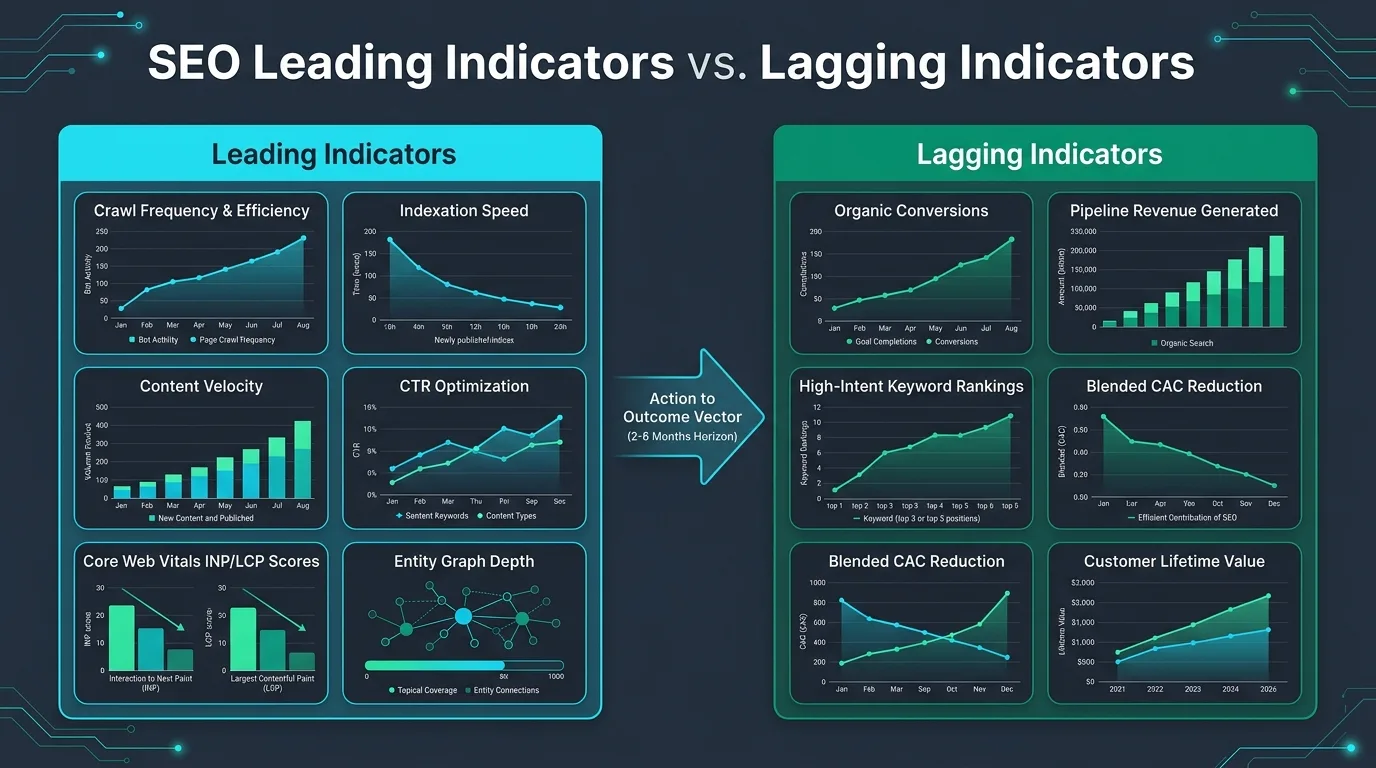
Figure 4: Leading versus lagging indicator telemetry for tracking E-E-A-T authority progression and algorithm recovery.
When tracking the health of your domain's trust profile, segment your telemetry into two primary horizons:
- Leading Indicators (Operational & Entity Signals):
- Percentage of articles featuring verified, schema-linked author credentials (target: 100% in YMYL).
- Ratio of primary academic citations per 1,000 words published.
- Reduction in sitewide thin and zero-click URLs via rigorous pruning.
- Creation and verification of author Knowledge Panels in Google Search.
- Growth in unlinked brand mentions across tier-1 editorial publications.
- Lagging Indicators (Market & Organic Outcomes):
- Rank volatility stability during broad core algorithm update rollout windows.
- Sustained growth in organic click share across high-competition commercial and informational queries.
- Direct brand navigation search volume expansion in Google Search Console.
- Frequency of inclusion as the primary citation in AI Overviews and generative search summaries.
10. Frequently Asked Questions (FAQ)
Below are authoritative answers to the most common questions asked by enterprise executives, editorial directors, and SEO strategists regarding E-E-A-T compliance and search quality optimization.



Ratings & reviews
No reviews yet. Be the first.