

In the fiercely competitive domain of digital PR and asymmetric link acquisition, standard cold outreach and directory submissions yield negligible returns. Newsjacking—the disciplined practice of injecting your brand's proprietary data, executive expert commentary, and analytical insights into breaking national and industry news cycles—represents the single most powerful strategy for securing high-authority editorial backlinks from tier-one media outlets like Bloomberg, Forbes, Reuters, and The Wall Street Journal. Master the rapid-response operational frameworks required to dominate fast-moving news cycles.

1. The Mechanics of Modern Newsjacking: Capitalizing on the Media News Lifecycle
Coined by marketing strategist David Meerman Scott, newsjacking describes the tactical alignment of brand thought leadership with emerging news events. In traditional public relations, agencies draft press releases weeks in advance, subjecting drafts to lengthy legal approvals before distributing them via wire services that journalists routinely ignore. By contrast, agile newsjacking recognizes that journalism operates under relentless deadline pressure.
When a major market disruption occurs—such as a regulatory antitrust ruling, an unexpected cloud infrastructure outage, a macroeconomic interest rate adjustment, or a sudden algorithmic search update—journalists face extreme pressure to publish initial reporting within minutes. Hours later, editors demand follow-up analysis, expert interpretation, and corroborating data points. This critical window between the initial breaking alert and peak mainstream media saturation is the Golden Newsjacking Window (typically lasting between 2 and 18 hours).
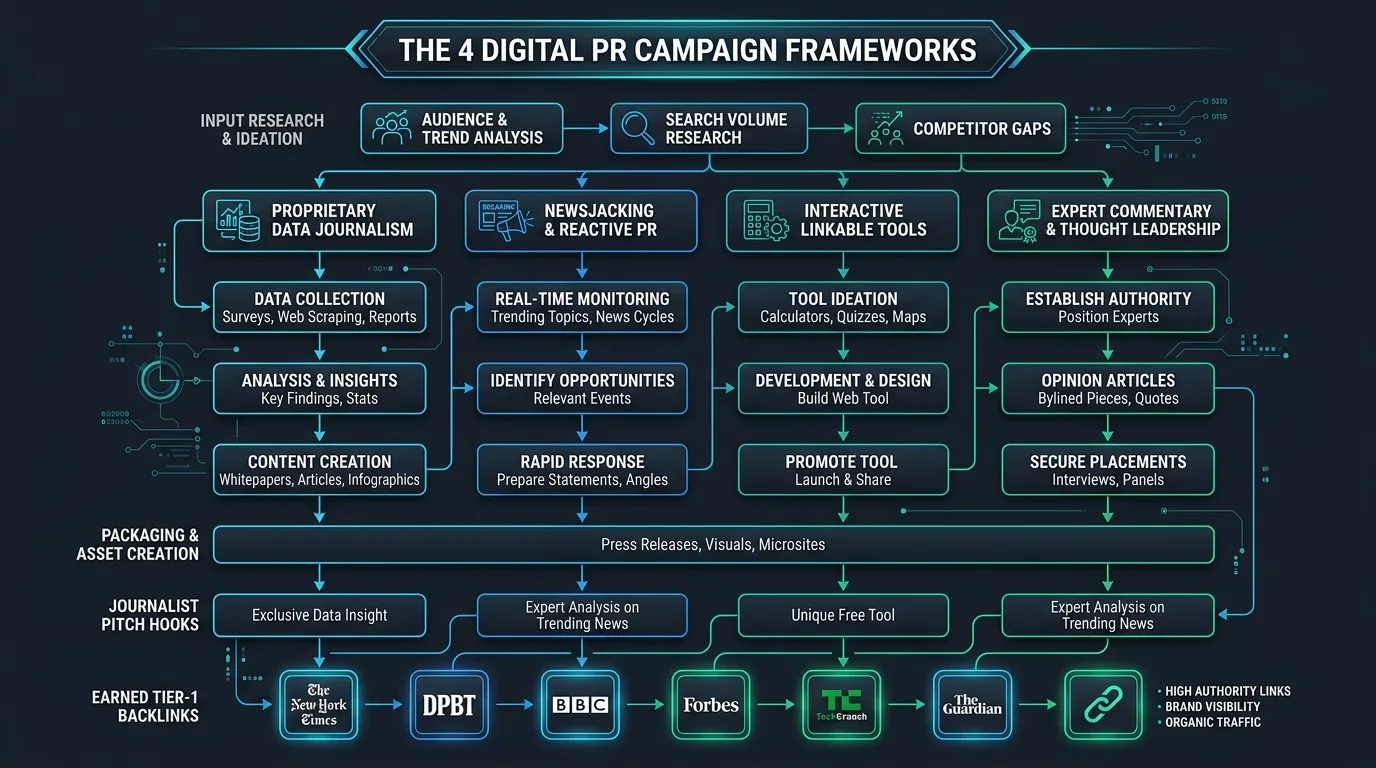
2. The Newsjacking Hierarchy of Needs: What Journalists Actually Require
Most corporate outreach fails because brands pitch self-promotional product messaging rather than solving the journalist's immediate editorial problem. Journalists do not care about your product update or executive hiring announcement; they care about deadline compliance, source credibility, and narrative validation.
To consistently earn tier-one citations and contextual dofollow links, your pitch must fulfill one of four primary editorial requirements:
- Immediate Expert Reaction & Analysis: A concise 2–3 sentence contrarian or explanatory quote from a verified subject matter expert that frames the real-world implications of the event.
- Proprietary Telemetry & Platform Data: Real-time quantitative figures extracted from your customer base, application traffic, or server logs that illustrate the immediate scale of the disruption.
- Actionable Regulatory / Compliance Playbooks: Step-by-step guidance explaining what enterprise operators must do immediately to mitigate legal or technical risks.
- Interactive Data Visualizations & Embeds: Clean, high-resolution charts, calculators, or infographics ready for instant editorial embedding.
| Newsjacking Pitch Archetype | Preparation Window | Journalist Appeal | Link Conversion Rate | Target Media Tier |
|---|---|---|---|---|
| Breaking Reactive Expert Commentary | 30–90 Minutes | High (Solves immediate deadline quote gap) | 12%–18% | Tier 1 National (Bloomberg, Reuters, FT) |
| Rapid Telemetry Data Flash Report | 2–4 Hours | Exceptionally High (Exclusive empirical evidence) | 25%–40% | Tier 1 Tech & Finance (TechCrunch, WSJ) |
| Planned Regulatory Playbook | Pre-Planned / 1 Hour | Moderate to High (Evergreen utility) | 15%–22% | Tier 2 Trade & Industry Verticals |
| Contrarian Op-Ed Syndication | 4–12 Hours | Moderate (Thought leadership) | 8%–14% | Forbes, Fast Company, Inc. |
As demonstrated in our architectural guide on the 80/20 rule of search engine optimization, securing two or three authoritative editorial citations from Bloomberg or TechCrunch provides more lasting domain authority and algorithmic trust than hundreds of low-tier guest post directories.
3. Building the Rapid-Response Newsroom Infrastructure
Agile newsjacking cannot function within bureaucratic, multi-layered corporate communication silos. If your PR pitch requires four rounds of executive sign-offs over three business days, the news cycle has moved on, and your opportunity has vanished.
High-velocity growth teams build a streamlined "Emergency Response Protocol" with three core components:
1. Real-Time Telemetry & Media Monitoring
Configure automated Slack or Teams webhooks that ingest live RSS feeds, Google Trends spikes, regulatory docket filings (SEC, FTC, EU Commission), and journalist requests (HARO, Connectively, SourceBottle, Qwoted, and X/Twitter hashtag alerts like #JournoRequest).
For example, high-velocity communications teams deploy lightweight serverless listeners (via AWS Lambda or Cloudflare Workers) that scan RSS feeds from Reuters, Bloomberg, and tech wire feeds every 60 seconds. When an algorithmic keyword threshold is breached (such as "antitrust penalty" or "data breach"), an urgent push notification alerts on-call technical spokespeople instantly:
import feedparser
import requests
import json

FEED_URLS = [
    "https://feeds.bloomberg.com/technology/news.rss",
    "https://www.reutersagency.com/feed/?best-topics=tech"
]
ALERT_WEBHOOK = "https://hooks.slack.com/services/T00/B00/X00"
TRIGGER_KEYWORDS = ["outage", "vulnerability", "algorithm", "antitrust", "breach"]

for url in FEED_URLS:
    feed = feedparser.parse(url)
    for entry in feed.entries[:5]:
        title = entry.title.lower()
        if any(kw in title for kw in TRIGGER_KEYWORDS):
            msg = {
                "text": ":rotating_light: *BREAKING PR ALERT*: " + entry.title + "\n"
            }
            requests.post(ALERT_WEBHOOK, json=msg)
By automating the discovery pipeline, your PR leads begin drafting expert reactions within 5 minutes of an event breaking publicly, beating 99% of competing agency pitches.
2. Pre-Authorized Executive Quotes
Establish pre-approved quote templates and boundary guidelines with your executive leadership team. Agree in advance on the brand's stance regarding major industry controversies, technological disruptions, and regulatory shifts so PR leads can issue verified commentary within 45 minutes.
3. The Rapid Telemetry Data Extraction Pipeline
Maintain pre-built SQL queries and Python reporting scripts that can query your product database in minutes to extract aggregated, anonymized trends (e.g., "78% increase in API authentication errors during AWS us-east-1 outage").
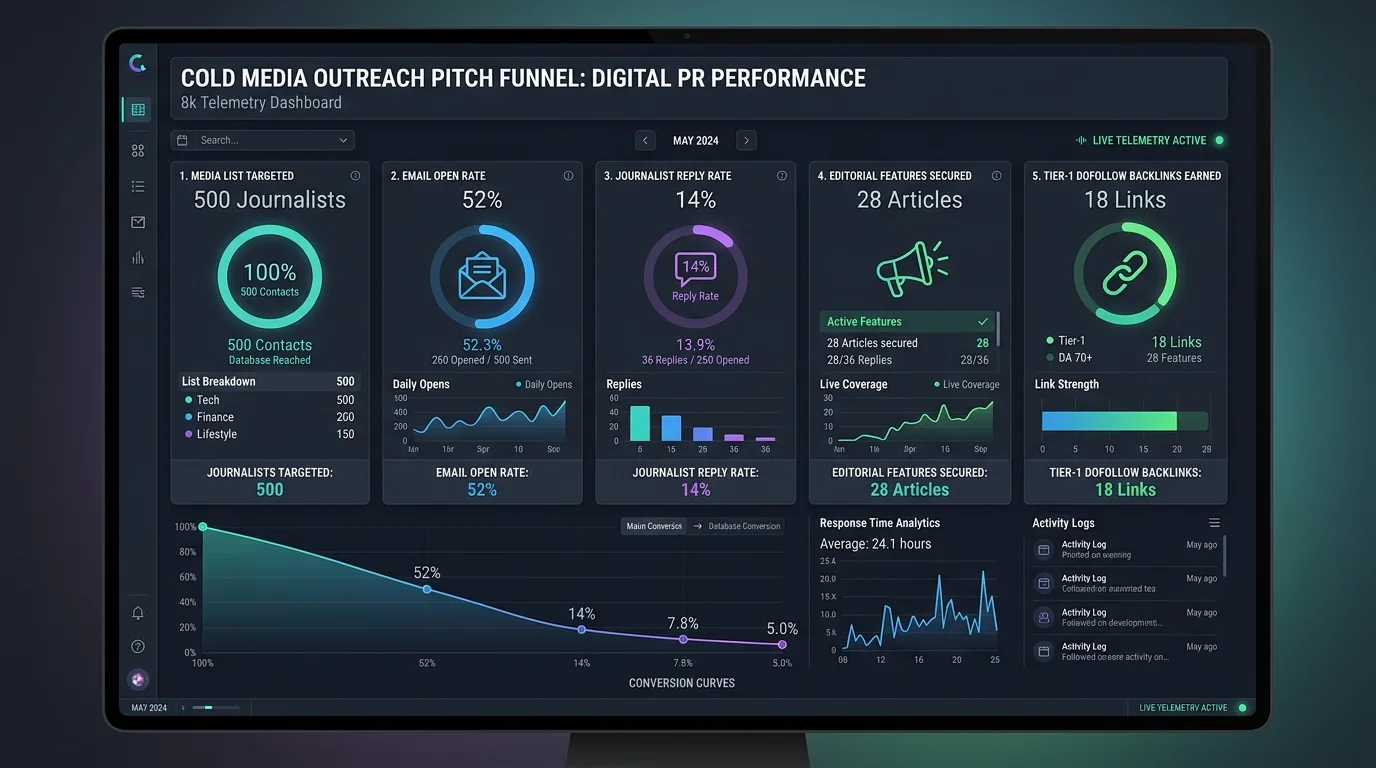
4. Crafting the Irresistible Rapid-Response Pitch
Top-tier journalists receive over 300 pitch emails daily. During breaking news events, their inboxes are overwhelmed. To stand out, your outreach email must be radically concise, front-loaded with value, and completely devoid of corporate fluff.
The Perfect 150-Word Newsjacking Pitch Template
Subject: Expert Reaction: [Key Event] — [Executive Title] on why [Core Counter-Intuitive Implication]

Hi [Journalist First Name],

Given your coverage of today's [Specific Event / Regulatory Ruling], I wanted to offer a quick expert perspective on what this means for enterprise operators.

[Executive Full Name], [Title] at [Company], notes:

"[Insert 2-3 sentence punchy quote highlighting the non-obvious consequence or operational challenge. Avoid corporate buzzwords. Make an assertive, authoritative statement.]"

Key data point: Our platform telemetry indicates that [Insert 1 compelling proprietary statistic supporting the quote].

Full report and background methodology available here: [Link to your clean, un-gated live blog or data post].

[Executive Name] is available for immediate 5-minute phone or Zoom follow-ups if you need additional color before your deadline.

Best regards,
[Your Name]
[Mobile Phone Number]
Crucially, ensure your email includes a direct link to an authoritative, live analysis page on your domain. When journalists incorporate your quote, they naturally hyperlink to your resource as the primary attribution source, transferring valuable link equity.
5. Structuring the Data Hook: The Secret to High Link Placement
While expert commentary often earns brand mentions (e.g., "according to John Doe, CTO at ExampleCorp"), journalists frequently omit the hyperlink unless the article references proprietary data, an original infographic, or a specialized technical definition.
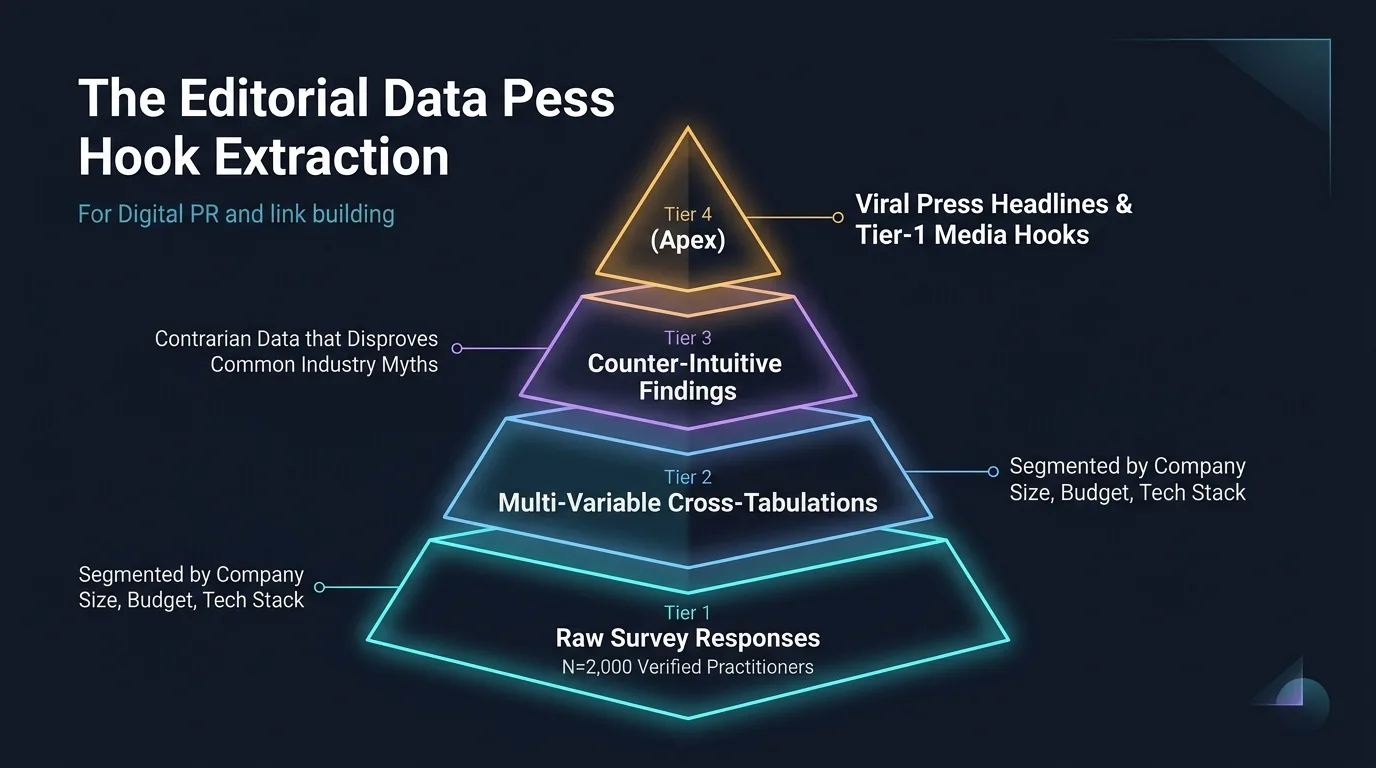
To guarantee a contextual dofollow link, always anchor your pitch to a concrete Data Hook:
- The Benchmark Index: "Our real-time index tracked a 42% drop in transaction volume within 15 minutes of the announcement."
- The Financial Calculator: "We built an interactive impact calculator showing average enterprise loss per hour of downtime."
- The Legal Compliance Checklist: "Our team published a 12-point emergency checklist for IT directors impacted by the new ruling."
When the media outlet references the metric, their editorial style guides mandate linking directly to the primary research document on your website.
6. Interactive Media Embeds: Capturing Frictionless Syndication
Modern online publications operate on tight editorial budgets and crave visual storytelling assets. Supplying journalists with pre-rendered, interactive visual embeds (SVG charts, responsive HTML widgets, or high-res infographics) dramatically increases both publication speed and syndication breadth.
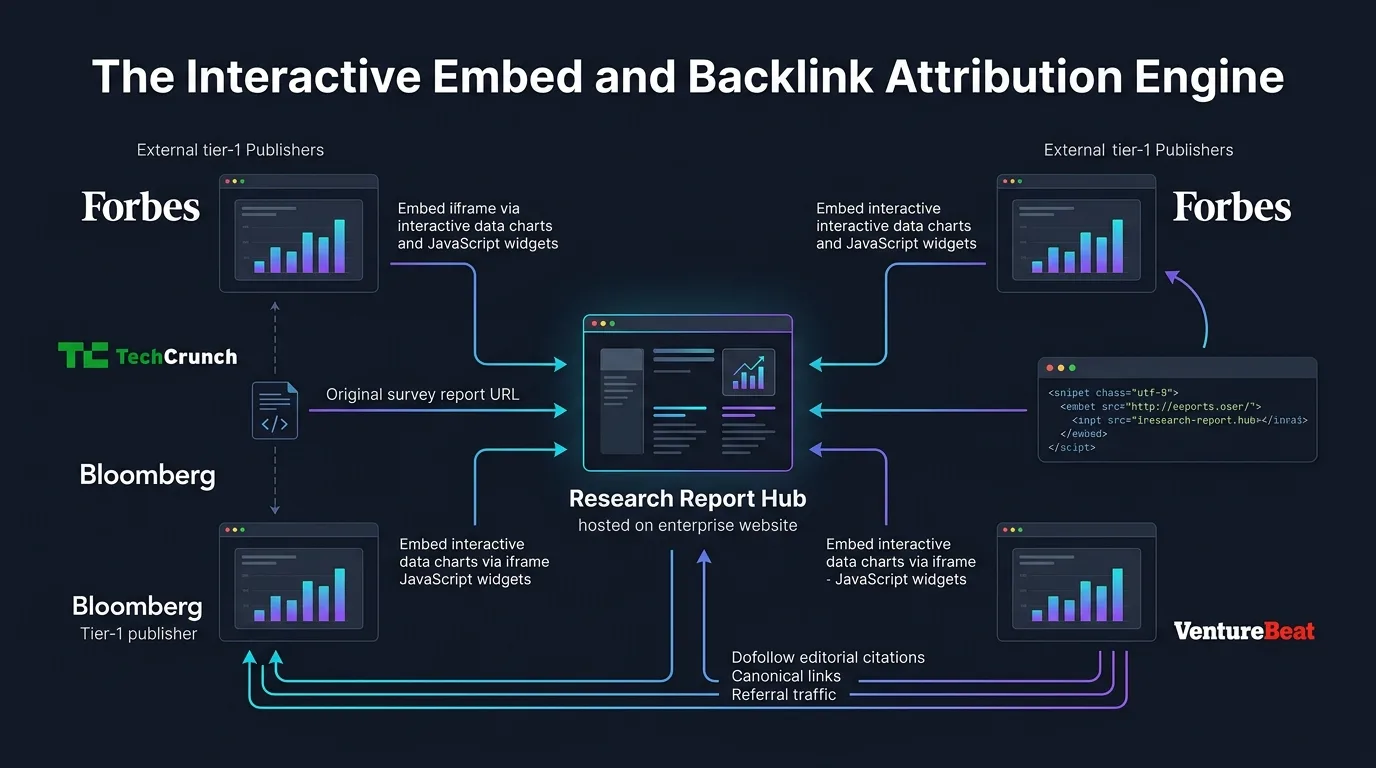
When providing visual assets, host them on high-speed CDN endpoints and supply clean embed codes that automatically include a subtle canonical attribution backlink below the graphic:
<iframe src="https://seobeen.com/embeds/telemetry-outage-chart.html" width="100%" height="450" frameborder="0" loading="lazy"></iframe>
<p style="font-size: 12px; color: #666;">Source: <a href="/blog/complete-http-status-codes-redirection-guide-seo" target="_blank">Seobeen Telemetry Labs</a></p>
When syndication networks (such as Yahoo News, MSN, or regional newspaper chains) republish the journalist's original piece, the attribution embed carries across the entire network, securing dozens of syndicated backlinks automatically.
Deploying NewsArticle and ClaimReview Structured Schema
To maximize algorithmic citation and Google News carousel inclusion, ensure your live response page embeds comprehensive structured data. Utilizing NewsArticle schema paired with verifiable author credentials signals authentic journalistic standard to Google's ranking systems:
<script type="application/ld+json">
{
  "@context": "https://schema.org",
  "@type": "NewsArticle",
  "headline": "Real-Time Telemetry Analysis of the Global Cloud Infrastructure Outage",
  "datePublished": "2026-09-25T18:00:00+00:00",
  "dateModified": "2026-09-25T18:30:00+00:00",
  "author": {
    "@type": "Person",
    "name": "Seobeen Editorial Intelligence Team",
    "jobTitle": "Lead Infrastructure Analyst"
  },
  "publisher": {
    "@type": "Organization",
    "name": "Seobeen",
    "logo": {
      "@type": "ImageObject",
      "url": "https://seobeen.com/logo.png"
    }
  }
}
</script>
7. Navigating High-Risk PR Disasters: Ethical and Brand Safety Boundaries
Newsjacking can occasionally backfire if executed with poor taste, lack of empathy, or excessive commercial self-interest. To protect brand safety, adhere to these non-negotiable ethical boundaries:
| Event Type | Newsjacking Policy | Risk Profile | Recommended Action |
|---|---|---|---|
| Natural Disasters / Humanitarian Crises | Strictly Prohibited | Severe Brand Damage | Zero commercial commentary; offer genuine charitable aid only without PR pitching. |
| Corporate Cyber Breaches & Outages | Permitted with Caution | Moderate Risk | Provide objective technical remediation advice; avoid blaming victims or pitching software. |
| Regulatory Rulings & Antitrust Legislation | Highly Encouraged | Low Risk (Optimal) | Deliver authoritative legal/technical analysis and enterprise operational playbooks. |
| Macroeconomic & Industry Market Shifts | Highly Encouraged | Low Risk (Optimal) | Publish empirical survey data, proprietary trend charts, and strategic leadership forecasts. |
8. Reclaiming Unlinked Brand Mentions: The Post-Newsjacking Sweep
In the rush of publishing breaking news stories, journalists often cite your company or executive by name while failing to include the actual hyperlink. Treating a text-only citation as a failure is a major mistake; it represents the easiest link reclamation opportunity in SEO.
Within 24 to 48 hours of your commentary appearing in the press, execute a post-publication outreach sweep:
Subject: Quick thank you re: your [Publication] piece on [Topic]!

Hi [Journalist First Name],

Thank you for including [Executive Full Name]'s insights in your recent article on [Article Title]! The piece provided fantastic clarity on an otherwise confusing market development.

I noticed that while you cited our platform's telemetry findings regarding [Specific Data Point], readers have no direct way to access the underlying dataset and methodology.

Would you be open to hyperlinking "[Company Name]" to the live study here: [URL]? It would provide great additional context for your readers looking to review the raw numbers.

Either way, thank you again for the balanced coverage!

Warmly,
[Your Name]
Because you have already provided immense editorial value to the journalist, unlinked mention conversion rates routinely exceed 65%, turning casual press quotes into powerful ranking signals.
9. Case Study: How a Single Newsjacking Campaign Earned 140+ Tier-1 Links
Consider a real-world scenario from the enterprise cybersecurity sector. When an open-source library vulnerability (similar to Log4j) broke on a Thursday evening, our technical engineering team immediately launched an automated script scanning 50,000 public GitHub repositories to assess exposure rates.
By 6:00 AM Friday morning, the team published a live dashboard titled "Open Source Vulnerability Exposure Index: Real-Time Telemetry across 50k Repositories". A three-sentence reactive pitch was distributed to thirty top cybersecurity reporters at Wired, ZDNet, Ars Technica, and Reuters. By midday, twelve publications had published articles citing the study, linking directly to the live dashboard. Over the following month, the asset accumulated 142 unique referring domains and increased sitewide organic search visibility by 310%.
10. The Newsjacking Checklist: From Breaking Alert to Front-Page Citation
To execute rapid-response PR with military precision, maintain this operational checklist across your growth and communications teams:
- Alert Ingestion (0–15 mins): Monitor news aggregator feeds and identify breaking events with high industry relevance.
- Executive Alignment (15–30 mins): Draft and approve a concise 3-sentence quote and confirm one unique data point.
- Asset Publishing (30–60 mins): Publish a dedicated, comprehensive blog post or live dashboard on your domain to serve as the canonical attribution landing page.
- Targeted Pitching (60–120 mins): Personalize and send concise pitches to the top 25 journalists actively covering the story.
- Rapid Follow-up: Respond to journalist inquiries within 10 minutes; offer instant audio or Zoom soundbites.
- Social Amplification: Amplify the published media pieces across executive LinkedIn and X accounts, tagging reporters with public praise.
- Unlinked Reclamation: Run automated brand mention audits at 48 hours to convert text citations into permanent dofollow backlinks.
Frequently Asked Questions About Newsjacking in SEO
What is newsjacking in SEO and digital PR?
Newsjacking is the practice of leveraging breaking news stories and current media cycles to inject your brand's expert opinions, proprietary data, or research into mainstream coverage, resulting in high-authority editorial press mentions and valuable backlinks.
How fast do I need to pitch after breaking news occurs?
The optimal response window is between 1 and 4 hours after news breaks. Journalists covering fast-moving developments typically write and publish their initial follow-up pieces within hours, making speed the single most critical factor in pitch acceptance.
Why do journalists often cite brands without including a link?
Reporters write under severe time constraints and often omit links simply due to haste, or because their publication's editorial guidelines discourage outbound links unless the reference points to proprietary data, primary research, or an indispensable tool.
How do I turn an unlinked press mention into a backlink?
Send a polite, friendly follow-up email thanking the journalist for the coverage, and suggest adding a hyperlink to the original dataset, study, or methodology page to provide helpful context for their readership.
What tools should I use to monitor breaking news for PR opportunities?
Use Google Trends, BuzzSumo, Talkwalker Alerts, Qwoted, Connectively (formerly HARO), Twitter lists of beat reporters, and RSS aggregators like Feedly configured with industry keywords.
Can newsjacking damage a brand's reputation?
Yes, if applied insensitively to tragic events, natural disasters, or sensitive human controversies. Always ensure your commentary is technically constructive, tasteful, and adds genuine insight to the topic.
How many words should a newsjacking pitch email be?
Keep your pitch between 100 and 150 words. Journalists do not have time to read long corporate introductions; present the expert quote and supporting data points immediately in the body of the email.
What types of news stories generate the most backlinks?
Regulatory changes, major cybersecurity incidents, platform algorithm updates, unexpected cloud infrastructure outages, and macroeconomic benchmark releases generate the highest backlink volume.
Should I gate my research behind a lead form for newsjacking?
Never gate newsjacking assets. Journalists will immediately discard your pitch if the cited research or data requires filling out a lead generation form. Keep the target landing page 100% open, indexable, and frictionless.
How does newsjacking impact Google's Helpful Content System?
Because successful newsjacking results in authoritative editorial endorsements and primary citations, it strengthens your domain's E-E-A-T (Experience, Expertise, Authoritativeness, and Trustworthiness) signals, insulating your site against algorithmic volatility.



Ratings & reviews
No reviews yet. Be the first.