
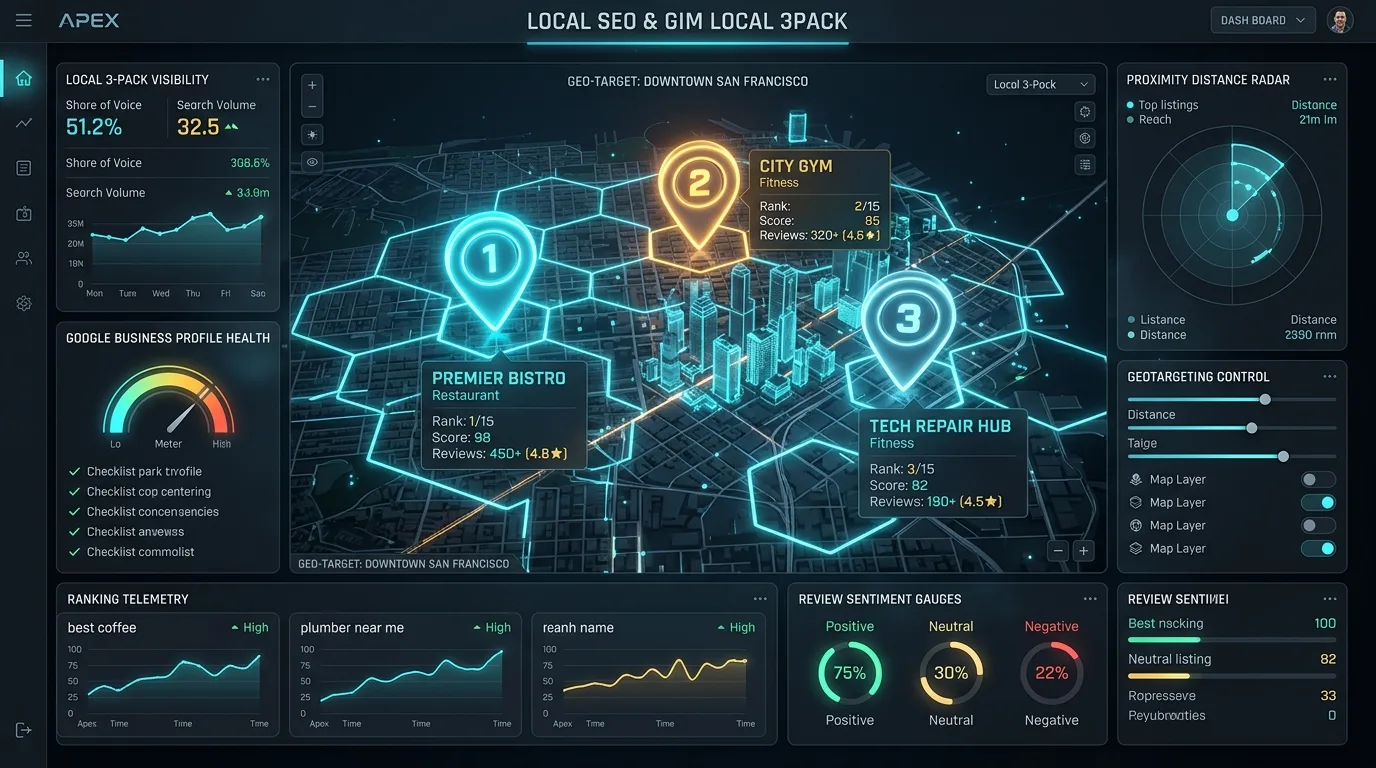
In local search engine optimization, Google Business Profile (GBP) category selection is the single most influential foundational ranking factor determining inclusion in the coveted Local 3-Pack and Google Maps search results. Selecting the wrong primary category can instantly obliterate local search impressions across your primary service territory, while strategically layering secondary categories unlocks visibility across dozens of high-value non-branded commercial queries. Understand the algorithmic taxonomy, empirical ranking weights, and multi-location deployment strategies governing Google Business Profile categories in 2026.
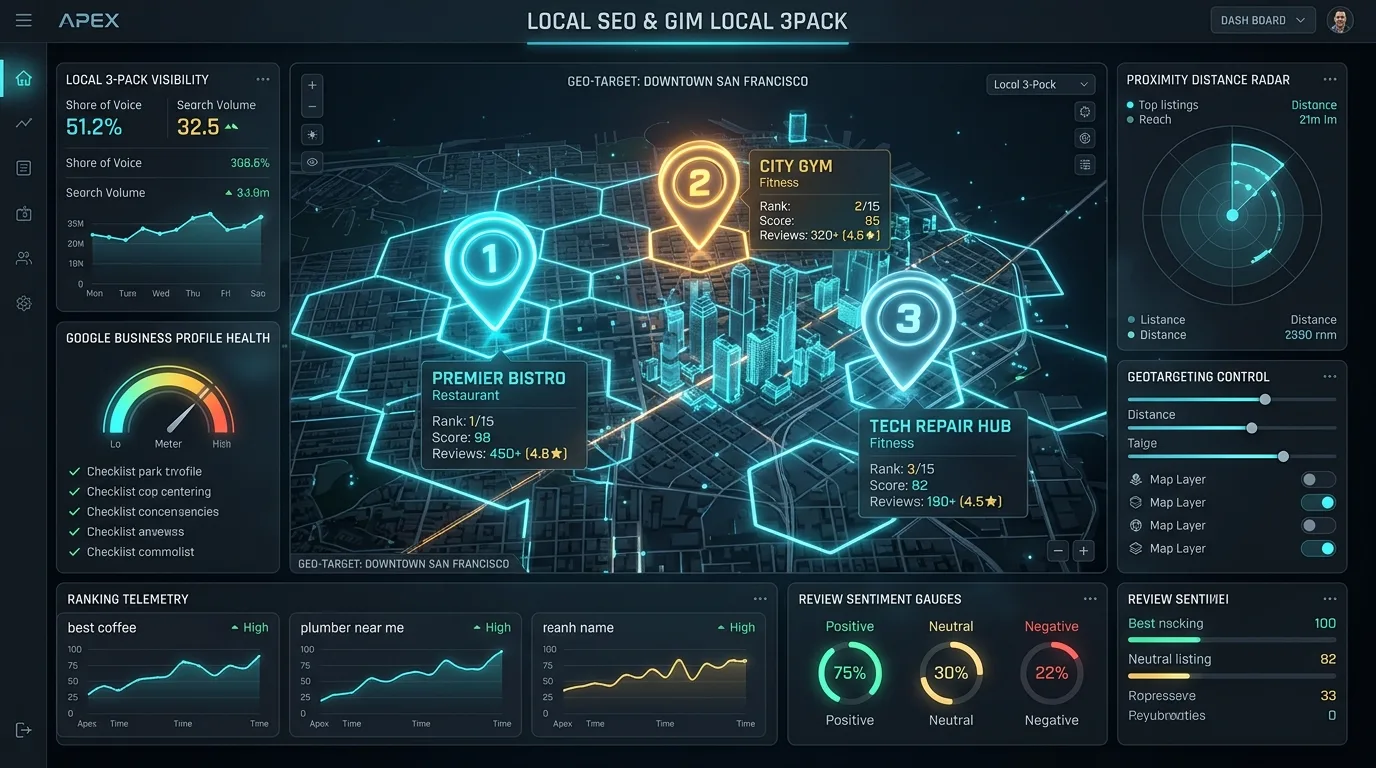
1. The Algorithmic Weight of Google Business Profile Categories
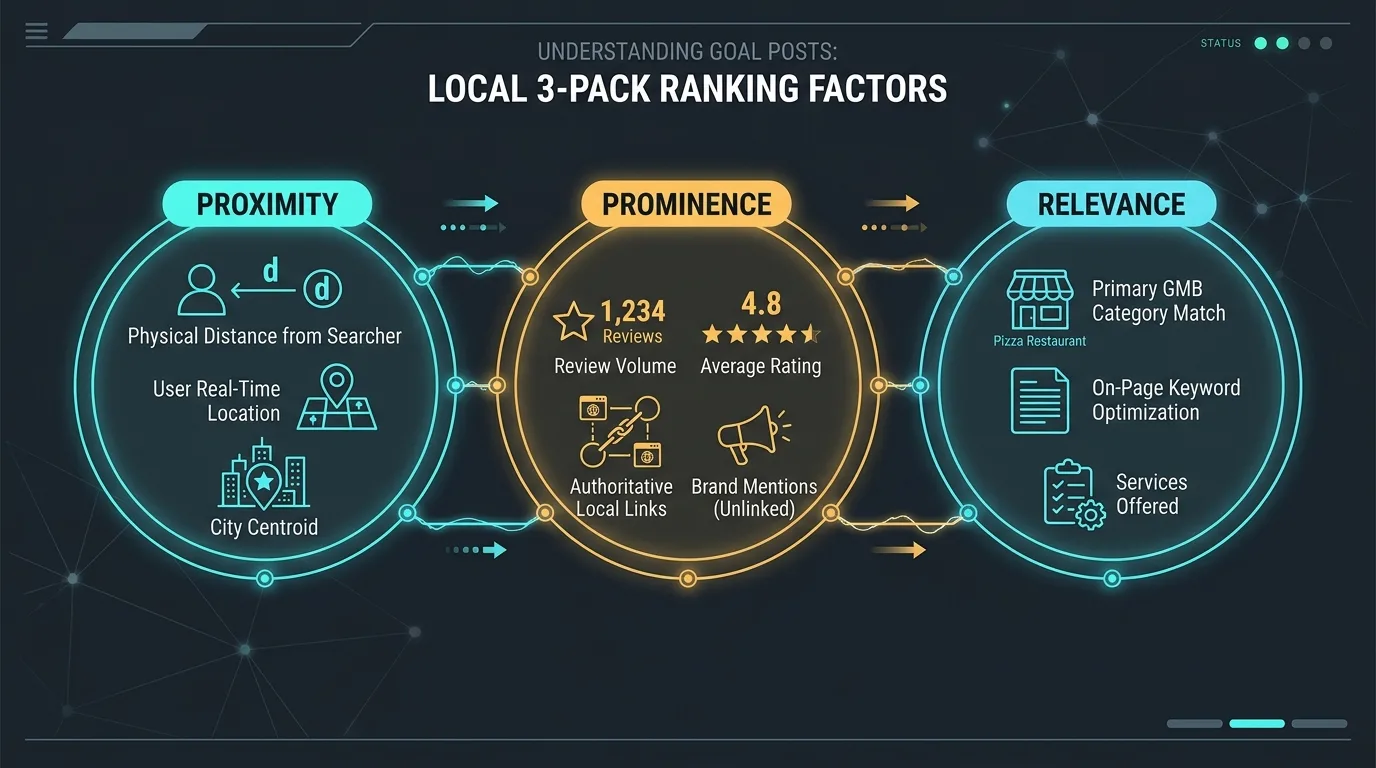
Local search algorithms operate under a distinct mathematical weighting model compared to traditional organic web search. While organic web search balances hundreds of on-page and backlink signals, Google Maps and the Local 3-Pack rely predominantly on three core tenets defined by Google: Relevance, Distance, and Prominence.
Within the Relevance dimension, your Google Business Profile category selection exerts supreme algorithmic leverage. According to empirical local ranking factor studies conducted across over 100,000 local business listings, the Primary Category accounts for over 38% of your listing's total foundational ranking weight in localized queries. It acts as an absolute eligibility gatekeeper: if your profile is categorized as a "Corporate Office" rather than an "Employment Attorney," Google's local ranking engine will categorically filter your business out of local map packs for legal searches, regardless of your domain authority or review count.
2. Primary vs. Secondary Categories: The Fundamental Asymmetry
Google permits each verified business profile to select one Primary Category and up to nine Secondary Categories from its predefined global taxonomy of over 4,000 standardized classifications. However, their algorithmic impact is deeply asymmetrical:
| Category Classification | Maximum Allowed | Local 3-Pack Weight | Profile Features Unlocked | Strategic Objective |
|---|---|---|---|---|
| Primary Category | Exactly 1 | Over 38% of Total Local Weight | Determines default profile features, booking buttons, and attribute tabs | Captures highest-volume, highest-commercial core service query. |
| Secondary Categories | Up to 9 | Moderate (~4% to 8% per category) | Unlocks secondary service menus and specific sub-feature tags | Expands query reach across specialized offerings and niche services. |
The primary category dictates the overall entity classification in Google's Knowledge Graph, as explored in our guide to entity-based SEO and semantic disambiguation. It also unlocks category-specific interface features inside your GBP dashboard—such as appointment scheduling URLs for medical clinics, menu tabs for restaurants, or service catalogs for trade contractors.
3. The Category Cannibalization Myth and Category Dilution
A widespread misconception among local practitioners is that adding secondary categories dilutes the ranking power of the primary category. Empirical geo-grid ranking tests demonstrate that adding contextually related secondary categories does not dilute primary category visibility. However, adding completely unrelated or conflicting categories (such as adding "Coffee Shop" to a "Real Estate Agency" profile because coffee is served in the lobby) introduces entity confusion and can depress overall local relevance.
The golden rule of category expansion is strict topical congruency: every secondary category must represent a core, recurring service for which you possess a dedicated, fully optimized landing page on your primary website.
4. Reverse-Engineering Competitor Category Clusters with Telemetry
Google does not display a business's secondary categories publicly on standard Google Maps desktop cards. However, secondary categories are readily extractable via Google Maps HTML source code or specialized local telemetry APIs.
To inspect competitor category configurations manually:
- Navigate to Google Maps in Chrome and search for your primary target keyword within your geographic market.
- Click on the #1 ranking competitor in the map pack.
- Right-click on the profile card and select Inspect (Developer Tools).
- Search the Elements tab for the primary category string. Nearby in the serialized JSON blob, Google exposes the full array of secondary categories assigned to the profile.
By auditing the top three ranking competitors across 20 localized geo-points, you can identify the exact primary category Google's neural matching models currently prioritize for the target geographic centroid.
Automating Competitor Category Extraction with Python
Enterprise multi-location brands utilize automated scripts querying Google Places API or scraping public Maps endpoints to monitor competitor category shifts across hundreds of zip codes:
import requests
import json

PLACES_API_KEY = "AIzaSyD_EXAMPLE_KEY"
SEARCH_QUERY = "Commercial HVAC Austin TX"

def extract_competitor_categories(query, api_key):
    url = f"https://maps.googleapis.com/maps/api/place/textsearch/json?query={query}&key={api_key}"
    resp = requests.get(url).json()
    competitors = []
    for place in resp.get('results', [])[:5]:
        name = place.get('name')
        types = place.get('types', [])
        primary = types[0] if types else "None"
        competitors.append({
            "business_name": name,
            "primary_category": primary,
            "all_categories": types,
            "rating": place.get('rating')
        })
    return competitors

# Example extraction output
results = extract_competitor_categories(SEARCH_QUERY, PLACES_API_KEY)
for c in results:
    print(f"Business: {c['business_name']} | Primary: {c['primary_category']}")
Automating category tracking alerts growth teams the moment a leading competitor adopts a newly released Google category classification, allowing immediate tactical counter-positioning.
5. Landing Page Alignment: The Bridge Between Web SEO and Map Packs
A Google Business Profile does not operate in an isolated vacuum; it is tethered directly to the URL specified in the profile's Website field. If your primary category is "Commercial HVAC Contractor," but your linked website homepage never mentions "commercial HVAC" in its H1 headline, title tag, or body copy, your local relevance score is severely handicapped.
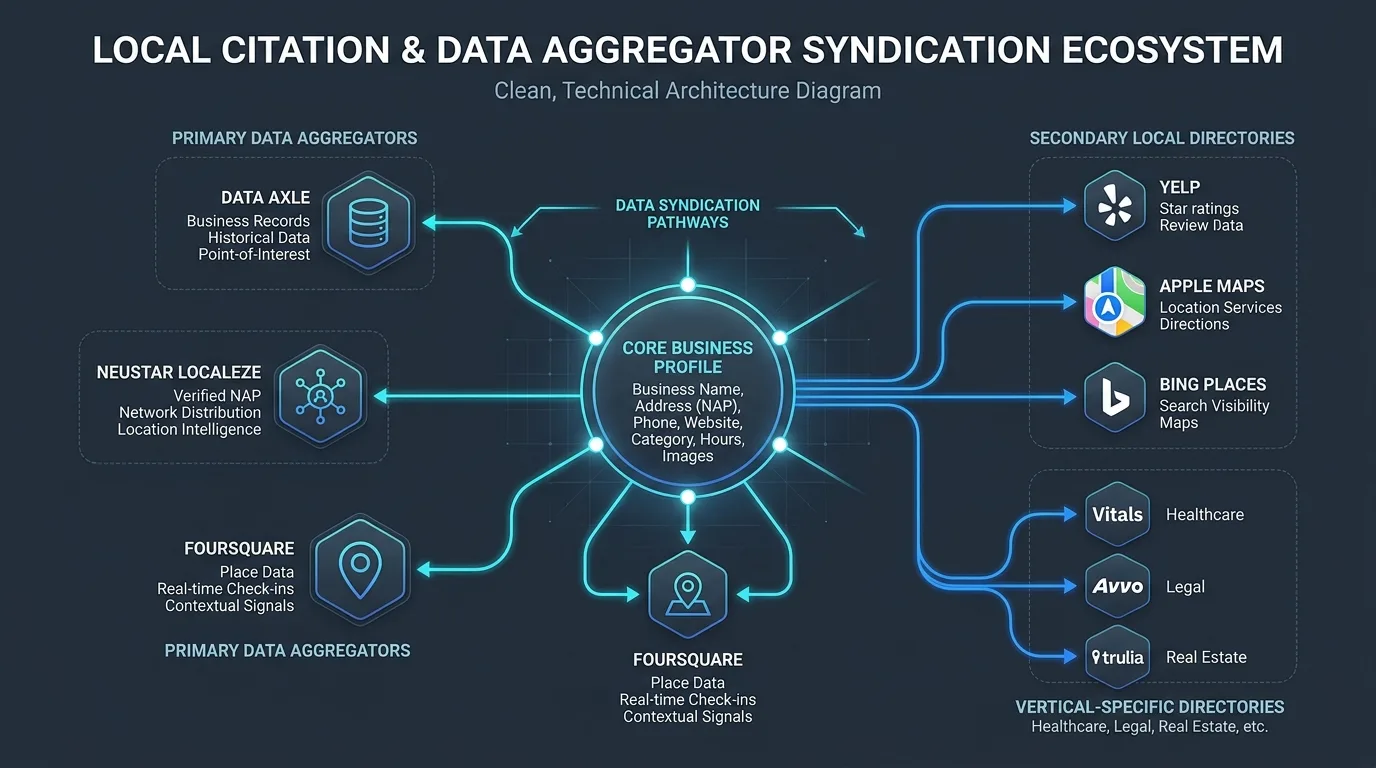
To establish perfect semantic cohesion:
- H1 & Title Tag Parity: Ensure your linked landing page H1 headline explicitly mirrors the terminology of your primary GBP category.
- Dedicated Secondary Service Pages: Create comprehensive, dedicated landing pages for every secondary category, and hyperlink them within the profile's custom Services menu.
- LocalBusiness Schema Integration: Deploy structured JSON-LD schema on your website specifying the exact matching
@type(e.g.,HVACBusiness,LegalService, orDentist).
6. Local Business Schema Code Blueprint
To reinforce your Google Business Profile category assignment deterministically, embed rich LocalBusiness JSON-LD markup on your website's primary contact and location landing pages:
<script type="application/ld+json">
{
  "@context": "https://schema.org",
  "@type": "HVACBusiness",
  "name": "Seobeen Commercial Climate Systems",
  "image": "https://seobeen.com/images/locations/headquarters.webp",
  "@id": "https://seobeen.com/#localbusiness",
  "url": "https://seobeen.com",
  "telephone": "+1-800-555-0199",
  "priceRange": "$$$$",
  "address": {
    "@type": "PostalAddress",
    "streetAddress": "100 Innovation Boulevard, Suite 400",
    "addressLocality": "Austin",
    "addressRegion": "TX",
    "postalCode": "78701",
    "addressCountry": "US"
  },
  "geo": {
    "@type": "GeoCoordinates",
    "latitude": 30.2672,
    "longitude": -97.7431
  },
  "openingHoursSpecification": [
    {
      "@type": "OpeningHoursSpecification",
      "dayOfWeek": ["Monday", "Tuesday", "Wednesday", "Thursday", "Friday"],
      "opens": "08:00",
      "closes": "18:00"
    }
  ],
  "sameAs": [
    "https://www.google.com/maps?cid=12345678901234567890"
  ]
}
</script>
Connecting your website's JSON-LD directly to your Google Maps CID identifier via the sameAs attribute eliminates all entity ambiguity between your web domain and your Google Maps listing.
7. Multi-Location Category Strategy for Enterprise Brands
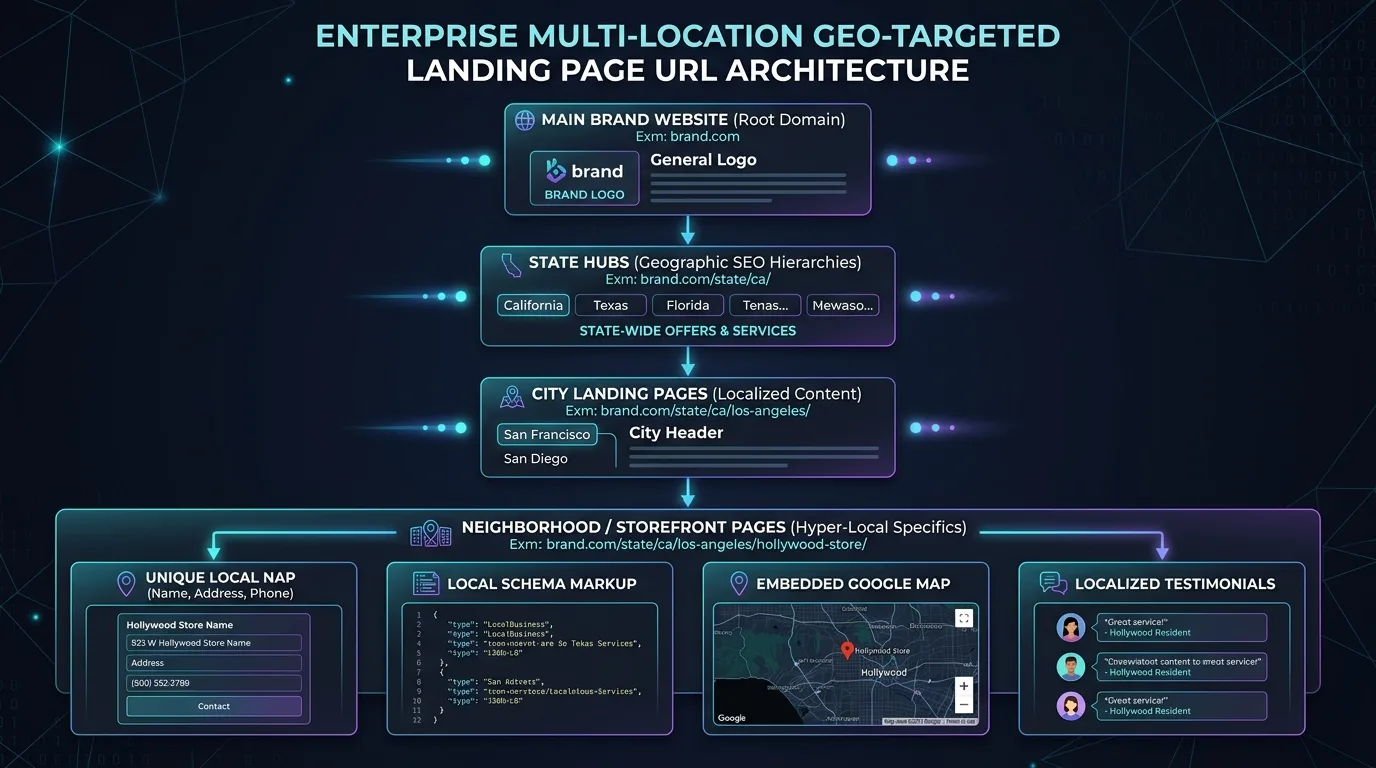
Enterprise brands managing tens or hundreds of locations across regional markets often make the mistake of assigning uniform category templates across all branches. In reality, local market demand and competitive density vary significantly by city.
| Location Profile | Market Context | Recommended Primary Category | Strategic Rationale |
|---|---|---|---|
| Downtown Urban Branch | High pedestrian density; competitive search volume | High-Volume Broad Service (e.g., "Bank") | Captures broad brand recognition and general consumer foot traffic. |
| Suburban Commercial Center | Corporate parks; B2B clientele | Specialized B2B Category (e.g., "Commercial Real Estate Agency") | Outranks general competitors for lucrative high-contract terms. |
| Regional Service Depot | Industrial zone; emergency dispatch | Emergency Trade (e.g., "Emergency Plumber") | Dominates urgent 24/7 localized mobile search demand. |
As emphasized in our framework on the 80/20 rule of SEO, tailoring primary categories to match regional competitive dynamics yields significantly higher local market penetration than rigid corporate templates.
8. Review Velocity and Keyword Relevance within Categories
While category selection establishes baseline eligibility, ongoing Local 3-Pack rankings depend heavily on review signals. Google's natural language processing models continuously analyze the sentiment, velocity, and specific keywords contained in customer reviews.
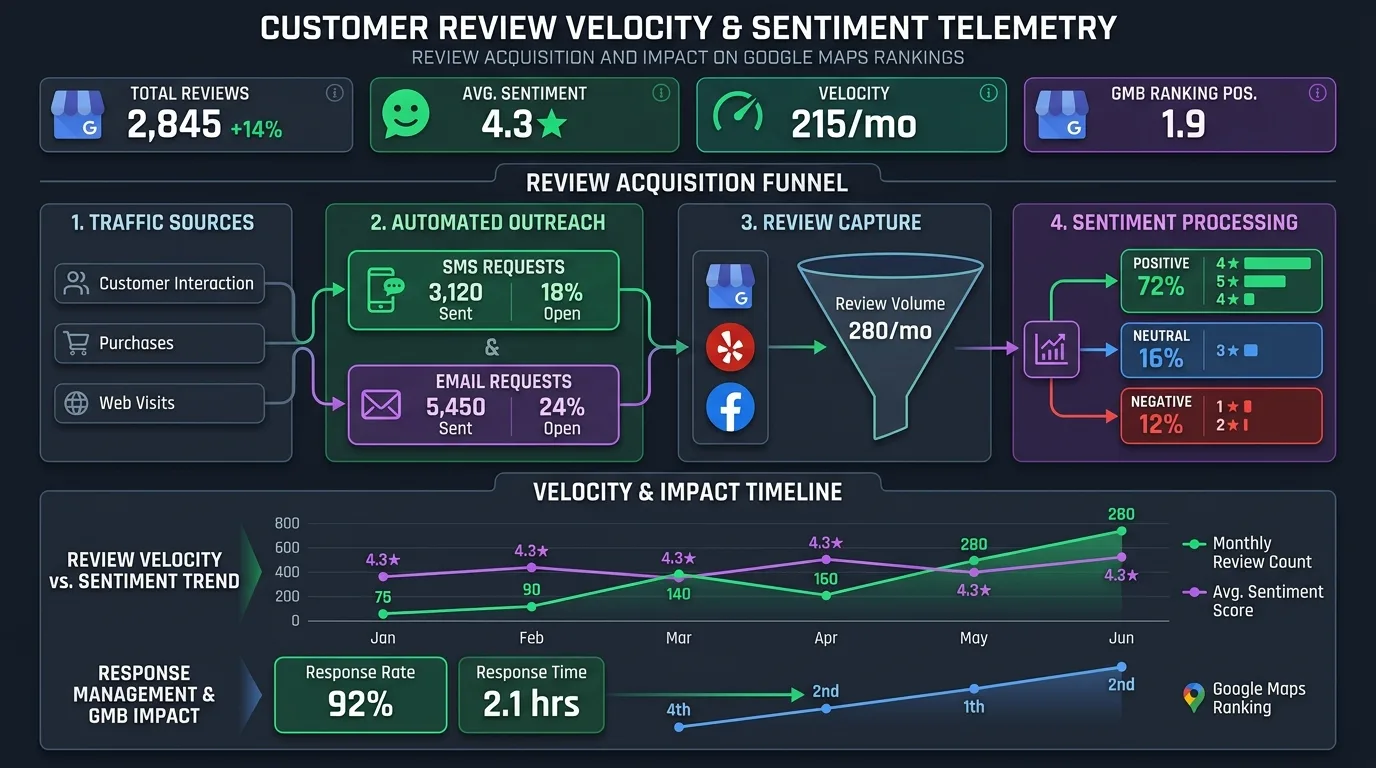
When customers organically mention your secondary category services in their five-star reviews (e.g., "They did an exceptional job on our commercial roof replacement"), Google correlates the review content with your secondary category, expanding your ranking radius across wider geographic zones.
The Category-Specific Review Solicitation Framework
To encourage customers to include high-value category keywords naturally in their reviews without violating Google's review solicitation guidelines, deploy targeted post-service follow-up sequences:
Subject: How was your [Specific Service, e.g., Commercial HVAC Installation] with Seobeen?

Hi [Client First Name],

Thank you for choosing Seobeen for your recent [Specific Service, e.g., industrial chiller maintenance] in [City Name]!

Our team takes immense pride in delivering precision engineering and reliable service. If you have 60 seconds, would you mind sharing your feedback on our Google profile?

Specifically, mentioning the project type ([Specific Service Name]) and how our technicians handled your installation helps other local facility managers find reliable specialists.

Direct Google Review Link: [Your Custom Short GBP Review URL]

Thank you for your partnership!
The Seobeen Service Team
Guiding customers to reference the specific service project naturally injects semantic category keywords directly into your Google profile's review corpus, unlocking elevated local relevance.
9. Safely Changing Categories: Avoiding Re-Verification and Suspensions
Modifying your Google Business Profile primary category is a high-risk operational action. In high-fraud categories (such as locksmiths, garage doors, water damage restoration, and personal injury law), changing your primary category triggers Google's automated anti-spam algorithms, frequently resulting in immediate profile suspension and mandatory video re-verification.
To change categories safely:
- Update Linked Website First: Update your website homepage, title tags, and LocalBusiness schema to reflect the new category at least two weeks before editing your GBP dashboard.
- Ensure Physical Proof is Ready: Have your business license, lease agreement, exterior signage, and branded vehicles documented in case an automated video re-verification is triggered.
- Edit During Business Hours: Submit category updates during standard Google support hours to accelerate resolution if a verification flag occurs.
10. The 5-Step GBP Category Optimization Action Plan
Execute this structured optimization plan across your local business profiles:
- Comprehensive Competitor Audit: Inspect the top 5 ranking profiles in your market to identify the winning primary category consensus.
- Primary Category Alignment: Assign the single category that represents your highest-revenue, highest-intent service offering.
- Curate 4–6 Secondary Categories: Select only secondary classifications for which you offer real, verifiable services with dedicated landing pages.
- Synchronize Website & Schema: Align website headings, service menus, and JSON-LD schema with your selected GBP categories.
- Review Generation Workflow: Prompt satisfied clients to reference specific service categories in their written Google reviews.
Frequently Asked Questions About Google Business Profile Categories
How much does the primary GBP category impact local rankings?
The primary category is the single most influential ranking factor for Google Maps and Local 3-Pack visibility, accounting for over 38% of your listing's foundational relevance score for target service searches.
How many secondary categories can I add to my Google Business Profile?
Google permits up to nine secondary categories in addition to your one primary category, allowing a total of ten categories per profile.
Does adding secondary categories dilute my primary category rankings?
No. Adding relevant, contextually related secondary categories does not dilute your primary category strength. However, adding unrelated categories can confuse Google's entity classification systems.
Can I create my own custom category in Google Business Profile?
No. Google only allows you to select from its predefined list of approximately 4,000 standardized categories. You cannot create custom category names.
Will changing my primary category trigger a re-verification or suspension?
In high-scrutiny industries (such as home services, legal, or medical), changing your primary category frequently triggers automated video re-verification or profile suspension. Ensure your website and physical signage match the new category before making edits.
How do I see what secondary categories my competitors are using?
You can view competitor secondary categories by inspecting the Google Maps listing HTML source code in your browser's developer tools, or by using local SEO audit browser extensions.
Should all franchise locations use the same primary category?
Not necessarily. While brand consistency is important, locations in different regional markets may benefit from selecting different primary categories based on local search volume and competitive gaps.
How does my website's content affect my GBP category rankings?
Google cross-references your Google Business Profile with your linked website. If your website homepage does not substantiate your primary category with relevant text and structured schema, your local ranking potential is severely diminished.
Do secondary categories unlock special profile features?
Yes. Certain secondary categories unlock specialized profile modules, such as custom service menus, health and safety attributes, or online appointment booking integrations.
How often should I review and update my GBP categories?
Review your categories twice a year. Google regularly adds new categories and modifies existing classifications, creating opportunities to adopt more precise designations ahead of competitors.



Ratings & reviews
No reviews yet. Be the first.