
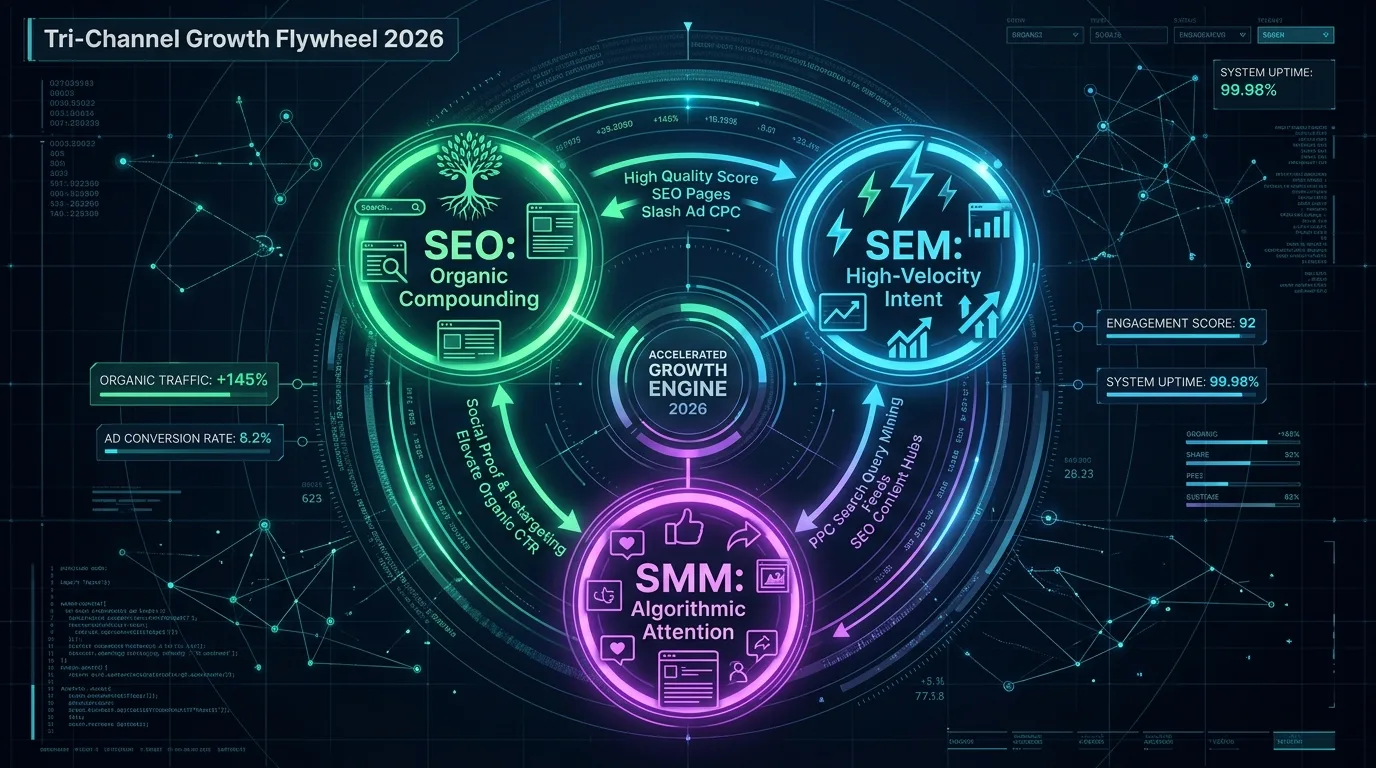
When Google announces the rollout of a Broad Core Update, the global digital marketing industry is plunged into intense speculation. Yet, despite widespread panic, Google core updates are neither manual penalties nor targeted bug fixes. They represent massive, foundational re-weightings of Google's core ranking systems—deep recalibrations of machine learning classifiers, Information Gain scoring thresholds, entity authority graphs, and sitewide quality signals. In 2026, understanding the true underlying engineering mechanics of broad core updates transforms algorithmic recovery from blind guesswork into a deterministic scientific discipline.
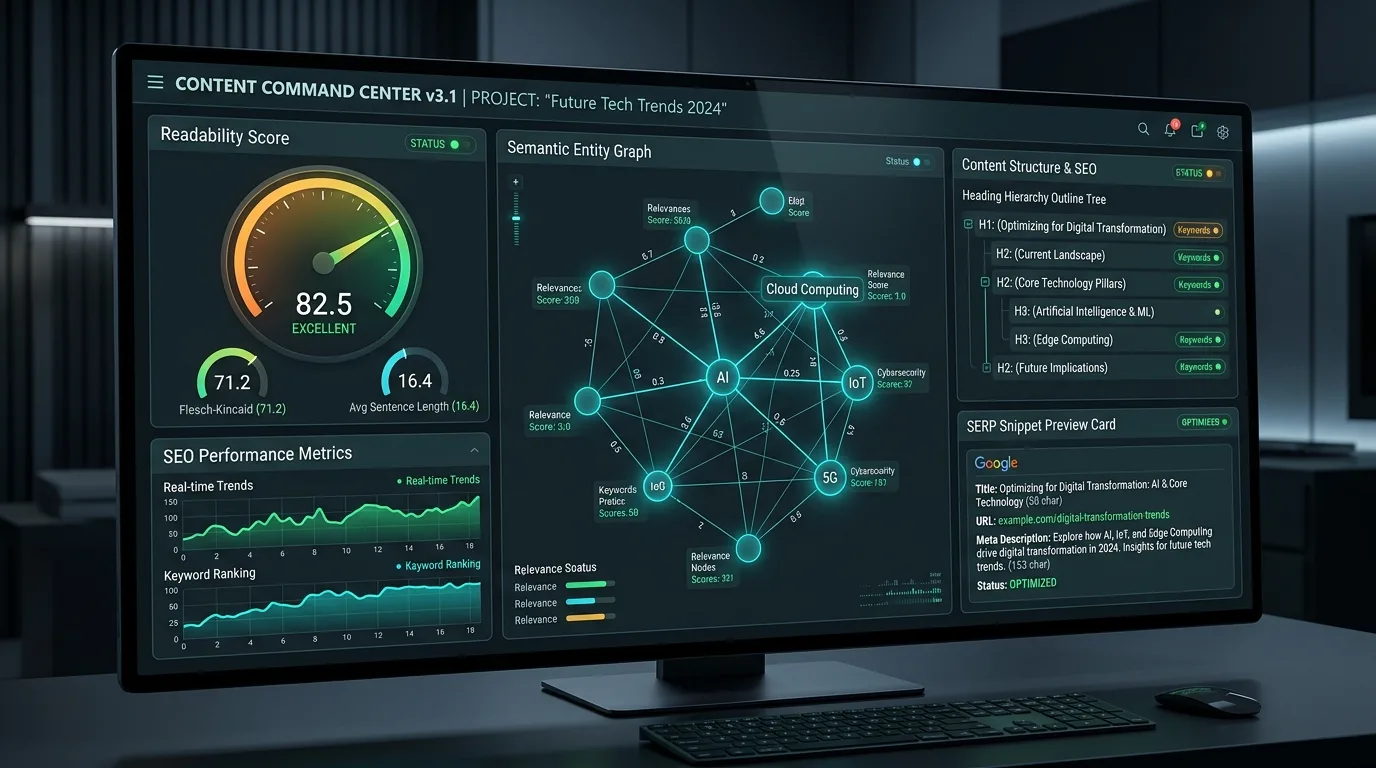
1. Demystifying the Broad Core Update: What It Is and What It Isn't
A Google Broad Core Update is not a penalty directed at specific offending websites. If your website loses 30% of its organic visibility during a core update rollout, you did not receive a Google Manual Action, nor did your site trigger a spam filter. Instead, Google's engineers have deployed updated machine-learning models trained on fresh human evaluation datasets (originating from Google's Search Quality Raters), recalibrating how algorithms assess overall content value, authoritativeness, and user satisfaction across the entire global index.
Google frequently compares core updates to a cinematic ranking analogy: imagine a film critic curating a list of the top 100 greatest movies in 2020. In 2026, the critic updates the list. New masterpieces have debuted, older films may be viewed through new artistic perspectives, and previously overlooked gems earn elevated recognition. The films that dropped from the top 10 did not become worse films; rather, the competitive standard and comparative evaluation criteria evolved.
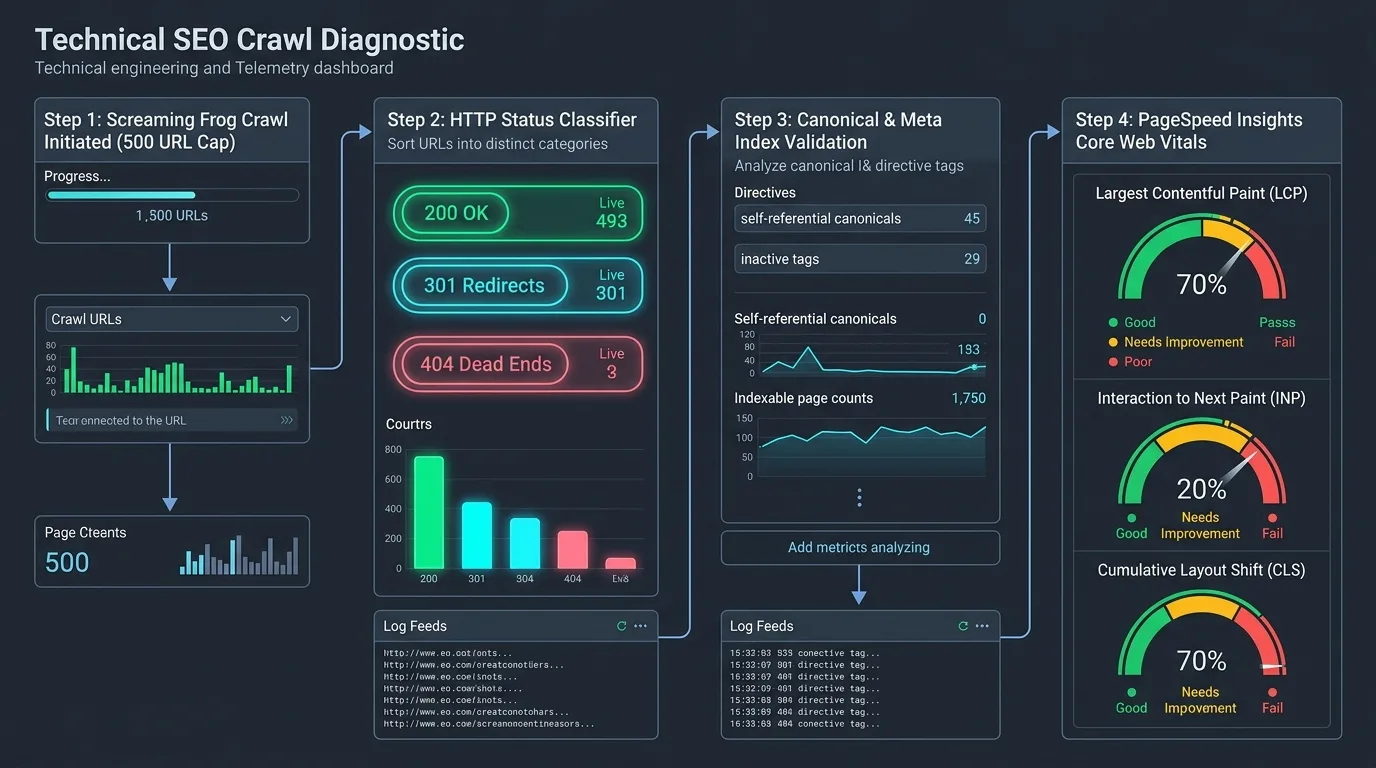
2. The Underlying Engineering Architecture of a Core Update
What actually transpires inside Google's data centers during the standard two-week rollout window? A broad core update involves the convergence of multiple independent algorithmic sub-systems:
| Sub-System | Engineering Focus | Algorithmic Mechanism | Empirical Ranking Effect |
|---|---|---|---|
| MUM & Gemini Encoders | Semantic comprehension & multi-modal intent | High-dimensional dense vector embeddings | Elevates pages that solve complex queries without requiring multiple clicks. |
| Information Gain System | Content uniqueness & incremental value | Vector difference calculation against SERP baseline | Penalizes commoditized, regurgitated AI summaries lacking original data. |
| Knowledge Graph / Entity Vault | Entity authority & real-world consensus | Probabilistic fact-verification triple extraction | Rewards established topical entities with verified industry citations. |
| NavBoost & User Signals | Behavioral satisfaction & query fulfillment | Aggregated Chrome & searcher interaction logs | Demotes clickbait titles where users immediately bounce (pogo-sticking). |
During the rollout, Google executes these models against historical click logs and newly crawled web documents, gradually propagating updated weight matrices across distributed index serving shards worldwide.
3. Information Gain Scoring: The Death of Regurgitated Content
The single most decisive shift in modern core updates is the aggressive enforcement of Google's patented Information Gain scoring framework. In historical SEO, marketers could analyze the top 5 ranking articles, synthesize their shared subheadings into an 800-word summary, and rank on page one through superior link equity.
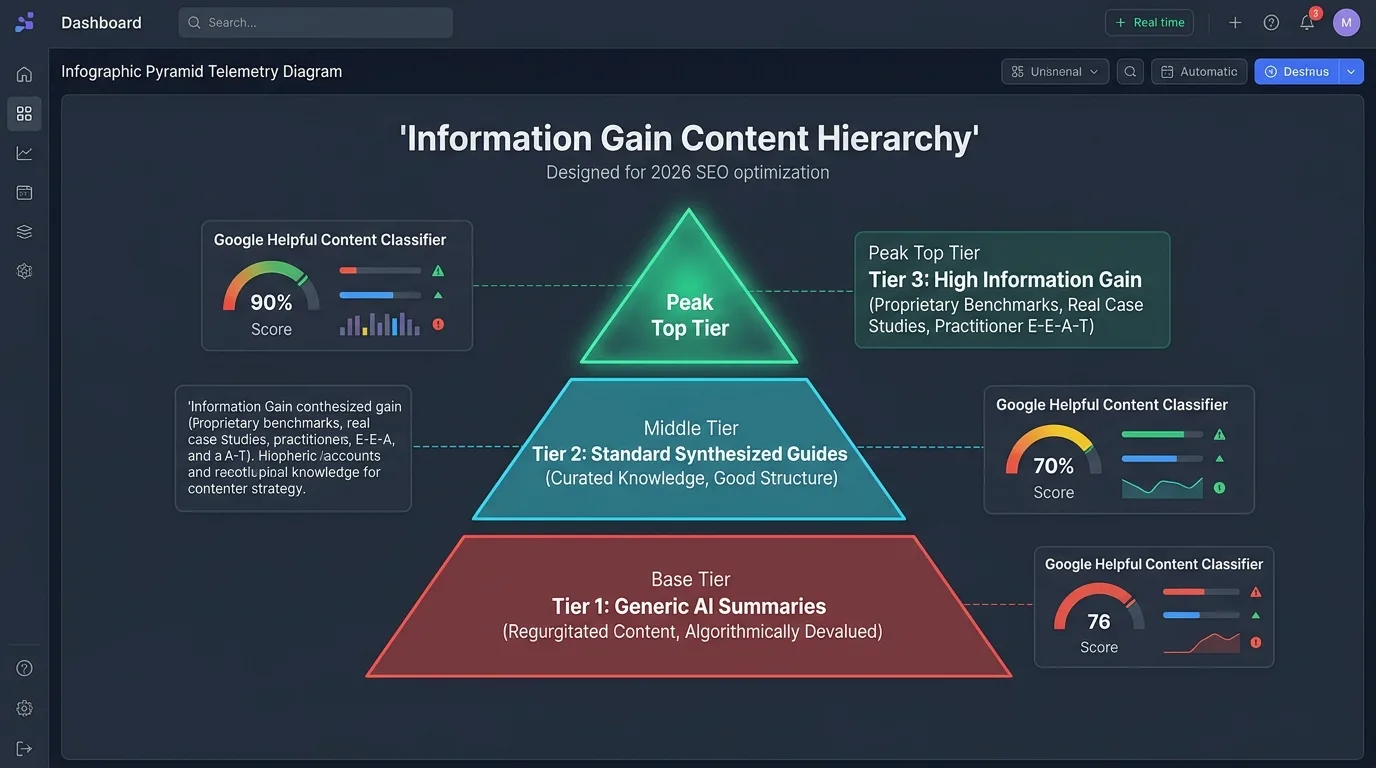
Under modern core updates, Google calculates the mathematical delta between what a searcher has already encountered across competing URLs and what your document introduces. If your article presents zero unique data points, proprietary case studies, or novel insights, its Information Gain score approaches zero, resulting in systematic algorithmic demotion, as emphasized in the 80/20 rule of SEO.
4. Entity Salience and Knowledge Graph Reconciliation
Core updates heavily reweight how search algorithms evaluate topical authority. Rather than scoring pages as standalone keyword silos, Google assesses your domain's authoritative footprint within its Knowledge Graph.
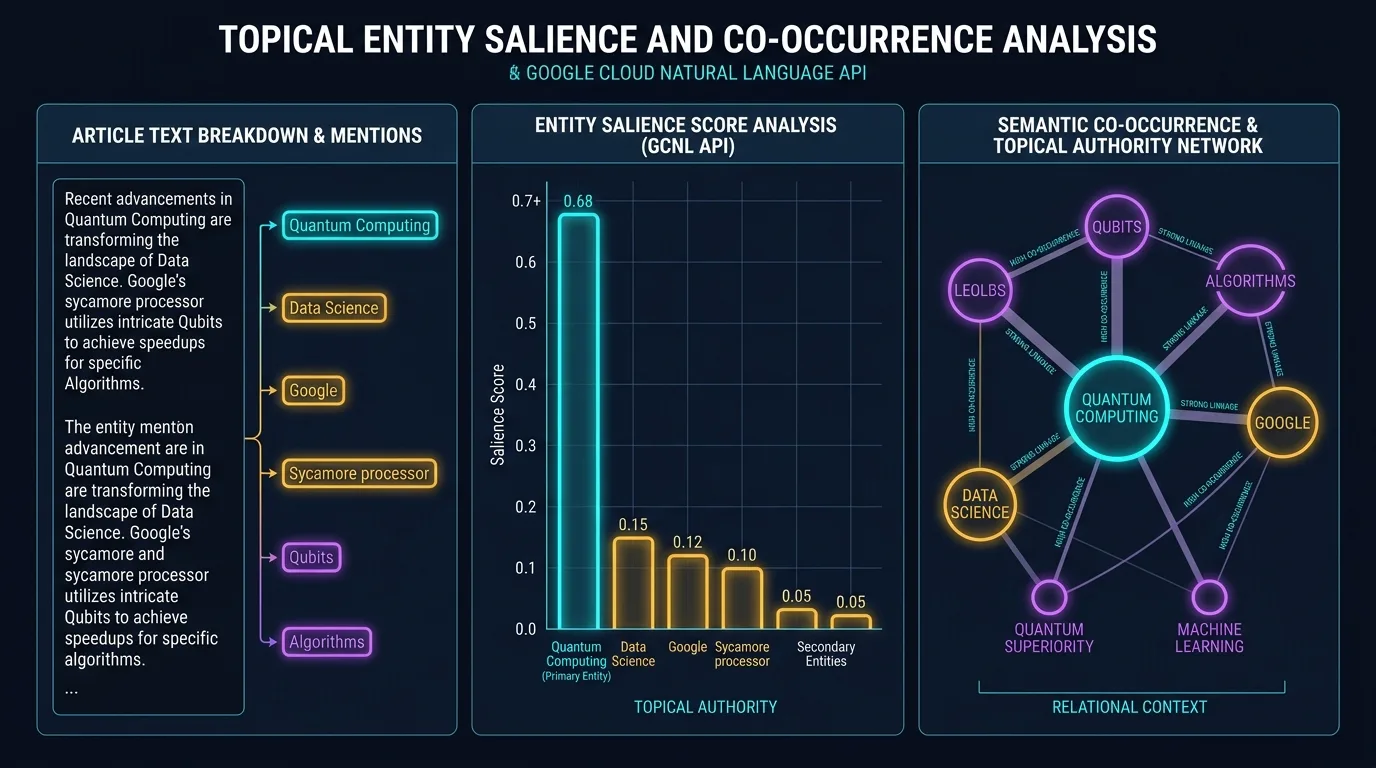
When algorithms recalibrate entity salience, domains with tight, well-defined topical scope experience massive ranking surges, while unfocused multi-niche blogs experience severe volatility. To learn how Google disambiguates brands, concepts, and authors, review our masterclass on entity-based SEO and knowledge graph optimization.
Entity Reconciliation Schema Architecture
To provide search engine knowledge vaults with deterministic grounding during core update evaluations, embed structured JSON-LD defining explicit entity triples and authoritative citations:
<script type="application/ld+json">
{
  "@context": "https://schema.org",
  "@graph": [
    {
      "@type": "TechArticle",
      "@id": "https://seobeen.com/posts/google-core-updates-decoded-what-changes-broad-core-update/#article",
      "headline": "Google Core Updates Decoded: What Actually Changes When Google Rolls Out a Broad Core Update",
      "about": [
        {
          "@type": "Thing",
          "name": "Google Search",
          "sameAs": "https://en.wikipedia.org/wiki/Google_Search"
        },
        {
          "@type": "Thing",
          "name": "Machine learning",
          "sameAs": "https://en.wikipedia.org/wiki/Machine_learning"
        }
      ],
      "author": {
        "@type": "Organization",
        "name": "Seobeen Editorial Intelligence",
        "url": "https://seobeen.com/about"
      }
    }
  ]
}
</script>
5. NavBoost and Real-World User Interaction Telemetry
One of the most consequential disclosures from the Google antitrust trial was the confirmation of NavBoost—Google's internal ranking system that evaluates 13 months of aggregated user interaction telemetry. NavBoost tracks whether users click a search result, remain on the landing page (dwell time), scroll deeply, and complete their search journey, or whether they immediately bounce back to click a competitor listing.
When a core update rolls out, NavBoost updates its historical training weights. If a webpage historically enjoyed high rankings due to legacy backlinks but consistently generated frustrated user interactions, the core update resets its ranking baseline to align with real-world user satisfaction metrics, directly enforcing the principles of search intent optimization.
6. Knowledge Vault Confidence and Probabilistic Fact Checking
In YMYL (Your Money or Your Life) and technical disciplines, core updates apply stringent fact-checking filters powered by Google's Knowledge Vault. The Knowledge Vault extracts subject-predicate-object triples from billions of web documents, comparing claims against verified real-world facts.
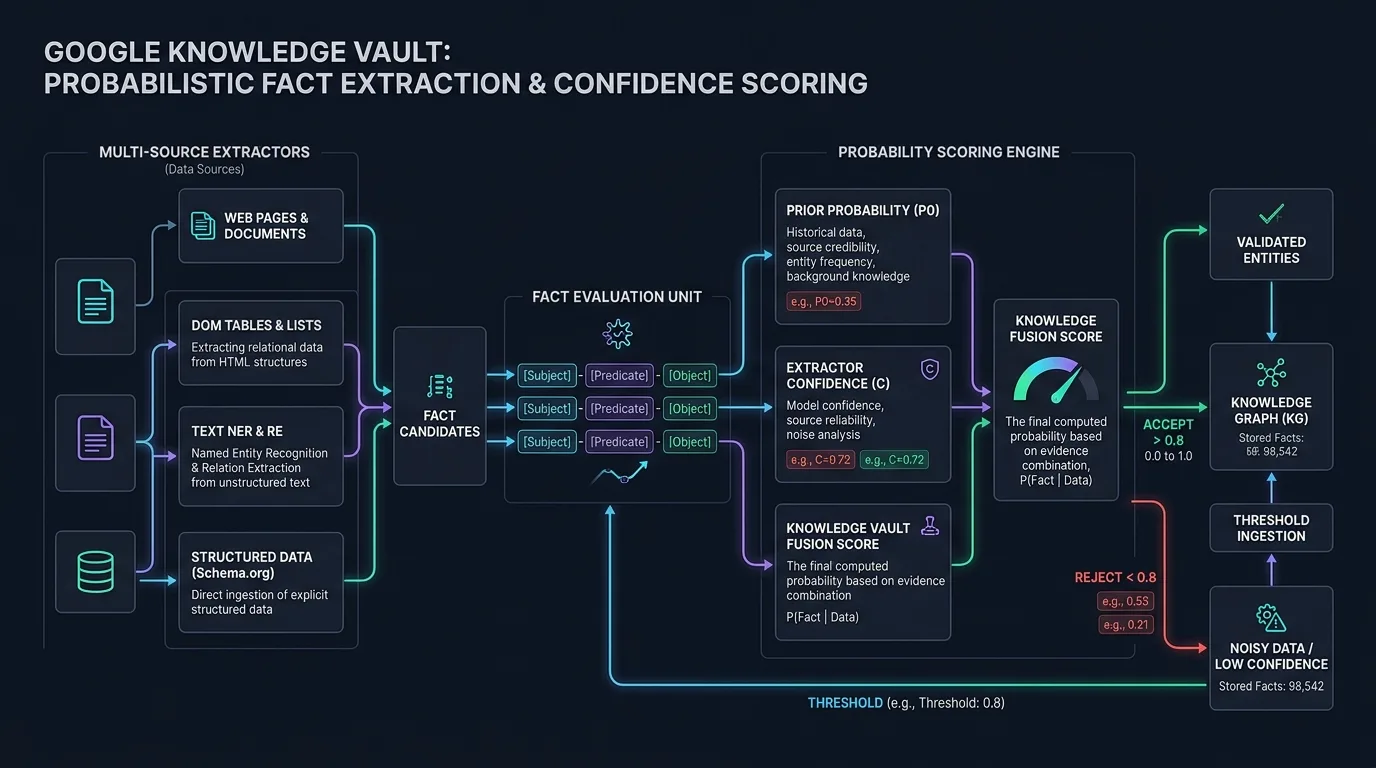
Websites that publish unverified claims, outdated technical advice, or unsubstantiated medical claims receive low confidence scores, precipitating steep algorithmic drops during broad core updates.
7. Forensic Post-Update Auditing: Diagnosing the True Cause of Traffic Shifts
When your domain experiences a traffic drop during an active core update rollout, avoid the instinctive impulse to immediately rewrite title tags or delete random pages. Hasty, reactionary changes while the algorithm is actively updating introduce confounding variables.
Instead, follow this structured 4-phase diagnostic protocol:
| Diagnostic Phase | Timeframe | Analytical Focus | Key Diagnostic Tool |
|---|---|---|---|
| Phase 1: Observation | Days 1–14 (Rollout Window) | Monitor volatility; resist touching site code or metadata | GSC Performance & Server Access Logs |
| Phase 2: URL Segmentation | Days 15–21 | Isolate affected URLs by template, category, and intent | Google BigQuery / Python GSC API script |
| Phase 3: SERP Intent Audit | Days 22–30 | Compare winning competitor content formats against yours | Incognito Manual Search & Archive.org |
| Phase 4: Remediation Plan | Day 30+ | Execute deep content consolidation, pruning, and entity enrichment | CMS Editorial Sprints & Schema Upgrades |
8. Python Script for Forensic Core Update Impact Auditing
To pinpoint the exact URLs and query clusters responsible for organic visibility shifts, execute this automated Python script comparing pre-update and post-update performance data:
import pandas as pd
import numpy as np

# Load exported pre-update and post-update Search Console datasets
df_pre = pd.read_csv("gsc_pre_update.csv")   # 28 days before rollout
df_post = pd.read_csv("gsc_post_update.csv") # 28 days after rollout

# Merge datasets on Page URL and Query
merged = pd.merge(df_pre, df_post, on=["page", "query"], suffixes=("_pre", "_post"))

# Calculate click and impression deltas
merged["click_delta"] = merged["clicks_post"] - merged["clicks_pre"]
merged["position_delta"] = merged["position_post"] - merged["position_pre"] # Positive means ranking dropped

# Identify catastrophic query drops
severe_drops = merged[merged["click_delta"] < -50].sort_values(by="click_delta", ascending=True)

# Aggregate loss by site section / directory
merged["directory"] = merged["page"].apply(lambda x: "/" + x.split("/")[3] if len(x.split("/")) > 3 else "/")
section_impact = merged.groupby("directory")["click_delta"].sum().reset_index().sort_values(by="click_delta")

print("Top Impacted Site Sections:")
print(section_impact.head(5))
This automated analysis reveals whether losses are isolated to specific content categories (e.g., outdated reviews) or distributed uniformly across the entire domain, indicating a sitewide quality recalibration, as documented in our guide to automating GSC exports with Python.
9. The 5-Step Core Update Recovery Playbook
Recovering from a broad core update is not an overnight fix; it requires demonstrating consistent, sustained quality improvements over multiple months until Google's systems recalculate sitewide signals during the subsequent core rollout.
- Aggressive Content Pruning: Audit your index and identify thin, decayed, or unhelpful URLs that generate zero organic search impressions over 180 days. Delete them with true 410 Gone headers or 301 redirect them to authoritative pillars.
- Topical Consolidation (Content Merging): Where multiple superficial articles cannibalize the same topic, merge them into a single definitive, high-density pillar guide containing verifiable data and original diagrams.
- Inject Verifiable Information Gain: Add proprietary industry survey statistics, platform telemetry benchmarks, and verified expert commentary across every core commercial asset.
- Re-engineer Internal Link Equity: Eliminate redirect hops and channel PageRank from authority guides directly into core landing pages.
- Establish Deterministic Entity Footprint: Implement structured Organization, Author, and Article JSON-LD schema with verified Wikidata
sameAsreferences.
The 3-to-1 Content Consolidation Recipe
When executing topical consolidation after an algorithmic hit, take three weak, decaying 800-word articles that compete for overlapping keywords. Consolidate their most valuable subheadings, proprietary data, and FAQs into a single master pillar of 3,500+ words. Configure 301 redirects from the two pruned URLs directly to the master URL, transferring accumulated backlink equity and eliminating internal keyword cannibalization permanently.
10. The Strategic Future: Continuous Real-Time Quality Recalibration
Historically, webmasters waited 6 to 9 months for Google to deploy a discrete core update to recover lost rankings. However, as Google's automated systems transition to continuous machine-learning model updates, quality evaluations are becoming increasingly dynamic.
By building an unshakeable editorial engine rooted in technical excellence, authentic user satisfaction, and original data journalism—as outlined in our modern content marketing blueprint—your web properties become algorithmically resilient, compounding in organic authority through every search engine update.
Frequently Asked Questions About Google Core Updates
What is a Google Broad Core Update?
A Google Broad Core Update is a substantial, sitewide update to Google's primary search ranking algorithms and machine-learning systems, designed to improve search quality by re-evaluating how content, authority, and relevance are assessed across the entire web.
How often does Google release Broad Core Updates?
Google typically rolls out broad core updates 3 to 4 times per year. Each rollout typically takes between 10 and 21 days to fully propagate across all global data centers.
Is a core update ranking drop a Google penalty?
No. A core update ranking drop is not a manual action or algorithmic penalty. It indicates that Google's updated systems have determined that other competing web pages provide superior user satisfaction, more original information, or higher topical authority for those queries.
How long does it take to recover from a core update drop?
Recovery typically takes several months. While minor improvements may register as Google recrawls updated pages, significant sitewide recoveries usually materialize during the subsequent broad core update once Google's systems recalculate sitewide quality scores.
What is Information Gain in core updates?
Information Gain measures the amount of new, unique, and non-redundant information a webpage provides beyond what already exists on the web. Core updates demote articles that merely paraphrase existing consensus content without adding original value.
Should I immediately change my content while a core update is rolling out?
No. Never make reactionary website changes during an active rollout. Wait until Google officially confirms that the update has completed before conducting forensic audits and implementing strategic improvements.
What role does NavBoost play in core updates?
NavBoost uses historical user click and dwell-time telemetry to evaluate whether searchers were genuinely satisfied with a result. Core updates retrain these behavioral models, promoting pages that satisfy user intent while demoting pages that cause users to bounce back to the SERP.
Can pruning low-quality pages help recover from a core update?
Yes. Pruning unhelpful, thin, or outdated pages eliminates negative sitewide quality signals that drag down domain authority, allowing Googlebot to focus crawl bandwidth on high-value, authoritative assets.
Does schema markup protect a website from core update drops?
Schema markup does not guarantee immunity from ranking drops, but it helps Google's entity disambiguation systems understand your content, author credentials, and organizational facts accurately, reducing algorithmic misunderstanding.
How do Search Quality Raters influence core updates?
Search Quality Raters do not directly change rankings of individual websites. Instead, their evaluations provide benchmark training datasets that Google's engineers use to validate whether updated machine-learning algorithms are genuinely improving overall search quality.



Ratings & reviews
No reviews yet. Be the first.